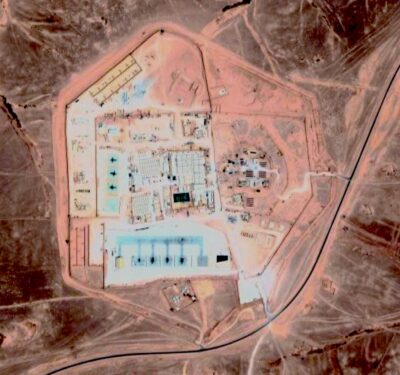

The Belgian prison administration plans to test autonomous drones to enhance security, according to a public procurement contract. Haren Prison, near Brussels Airport, will serve as one of the pilot sites.
The Ministry of Justice plans to test ‘drone-in-a-box’ technology – autonomous drones that take off, land and patrol prisons from a fixed base. The contract will run for one year, renewable for a second.
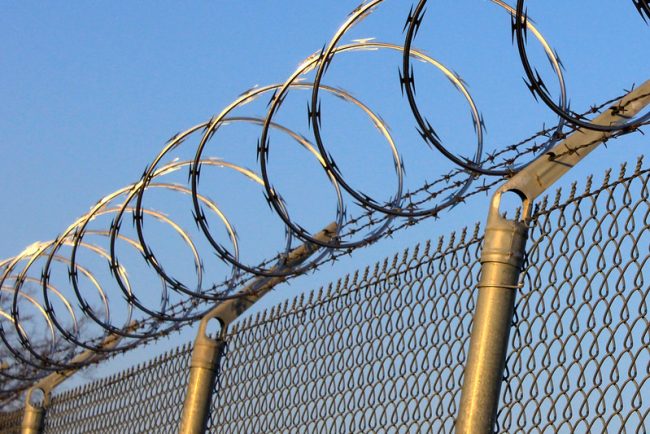
Drones will be used to monitor areas around prisons, performing multiple daily missions: perimeter checks, yard inspections, and sweeps of staff car parks. Officials say the aim is to detect suspicious behavior, including incoming drones delivering contraband like drugs or phones.
This is part of a €150 million security plan in response to rising attacks on prison staff, aligned with Belgian Justice minister Annelies Verlinden’s policy plan to improve perimeter surveillance.
Cautious welcome
The need for tighter surveillance is clear. Haren prison, which opened in 2022, has faced daily attempts to smuggle illegal items via drones or thrown parcels. Brussels mayor Philippe Close recently warned the situation was spiraling. Grégory Wallez of the General Union of Public Services said any measure that reassures staff is positive, provided it lasts beyond a short trial.
The technology will also be tested at Antwerp Prison. Alongside the drone project, the Justice ministry is seeking to lease 10 passive radio-frequency detection systems to spot illicit drones flying near prisons.
Rising security trend
The Belgian federal police have already invested in high-tech drones for various operations. These systems are designed to operate in various weather conditions and are equipped with advanced imaging technology, including infrared lighting and laser imaging, to support surveillance and reconnaissance missions.
At the local level, the Vilvoorde-Machelen police department, among others, has acquired several drones for operational use, reportedly of Chinese make. Among these, one model is noted for its rain and wind resistance, thermal imaging capabilities, and suitability for long-duration missions. Another model features advanced infrared imaging and can read car number plates from a distance of 250 meters.
The drones intended for prison surveillance will likely share similar specifications: thermal imaging, weather resistance, and advanced tracking capabilities.