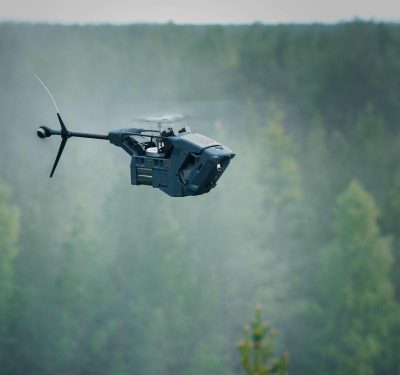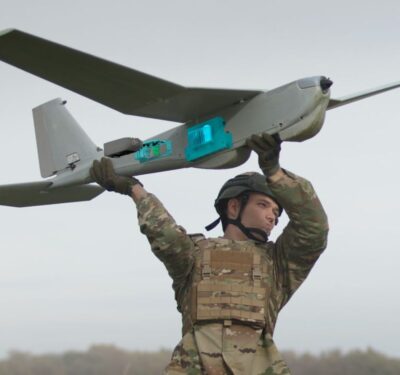

On the opening day of SOF Week, the Pentagon announced the five winners of its Drone Dominance Program Lethality Prize Challenge — a competition to identify scalable payload systems for Group 1 drones weighing 20 pounds or less.
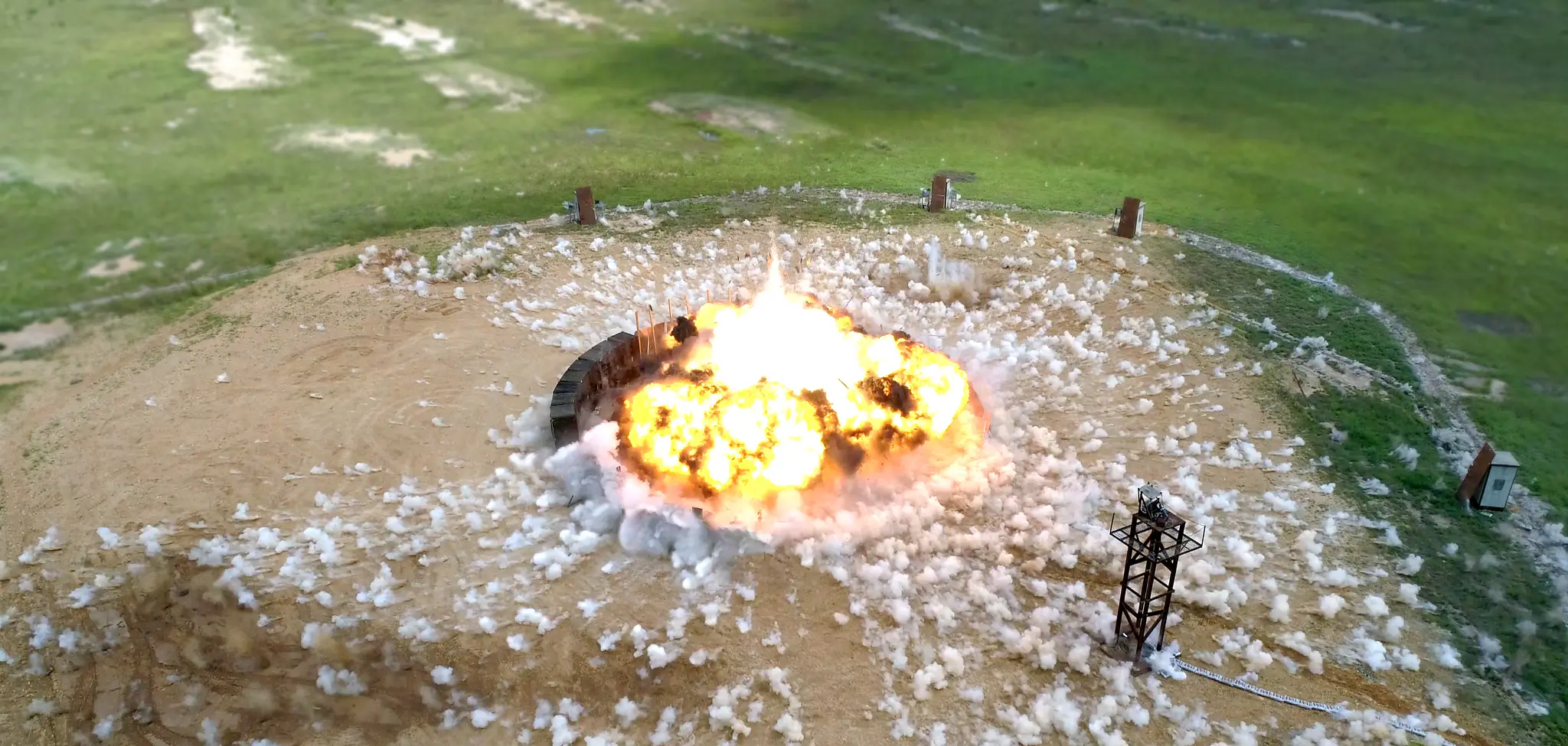
Northrop Grumman was named among the preferred providers, alongside Bravo Ordnance, Kela Defense, Kraken Kinetics, and Mountain Horse Solutions.
The Drone Dominance Program is a roughly $1 billion initiative focused on the rapid fielding of low-cost, consumable unmanned systems at the speed and scale required for the current threat environment. The program’s stated target is more than 200,000 drones fielded by 2027, with the Lethality Prize Challenge designed to identify payload providers capable of matching that production pace. The challenge’s framing was explicit about the economics: the Pentagon noted that lethal payload systems currently represent a significant share of total drone system cost, making affordability and manufacturability primary selection criteria.
Northrop Grumman’s entry is the Common UAS Payload, a standardized fuze and effects module engineered for cross-platform integration across unmanned aerial, maritime, and ground-based systems. The payload aligns with the Pentagon’s Modular Open Systems Approach and is designed to integrate without custom hardware modifications across a range of platforms and mission sets. It also addresses the Army’s Purpose-Built Attritable Systems requirements for flexibility and rapid integration at reduced lifecycle cost. “The Drone Dominance Program demands payloads ready to integrate and deploy immediately — no delays, no redesigns,” said Tanya Santers, director of fuze and warheads at Northrop Grumman. “Our Common UAS Payload meets this need with speed, safety and interoperability in mind.” The company said it has invested more than $2 billion in solid rocket motor and munition technologies and facility modernization in recent years, positioning it to meet the program’s accelerated delivery timelines.
Among the other winners, Bravo Ordnance — an 18-month-old hardware startup — entered its HitchHiker, a 2.5-kilogram munition compliant with the Picatinny Common Lethality Integration Kit. The startup’s chief strategy officer noted that the Lethality Prize selection can now expedite HitchHiker through the safety certification process in roughly eight weeks rather than the months or years a conventional pathway would require. That compressed timeline is itself a signal of how the Drone Dominance Program is intended to work: preferred provider status is not a contract award, but it creates a cleared lane toward procurement.
The announcement ties directly to the broader pattern of the show. The Perennial Autonomy $500 million C-UAS contract and the LUCAS/Hivemind integration deal are the offensive and defensive expressions of the same procurement logic — attritable, AI-enabled systems produced at scale, treated as consumable rather than durable. The Lethality Prize is the warhead layer of that same stack, and naming five providers rather than one reflects a deliberate hedge against single-point industrial risk as the program moves toward its 2027 fielding target.