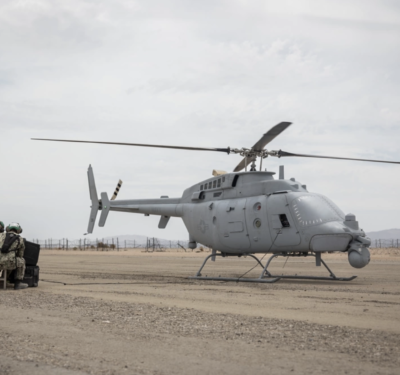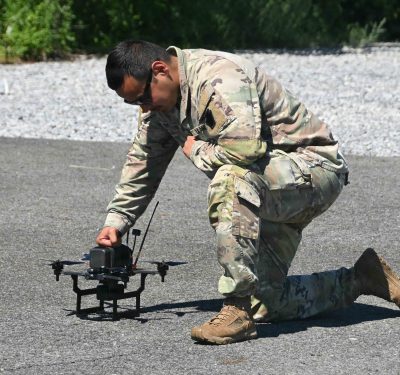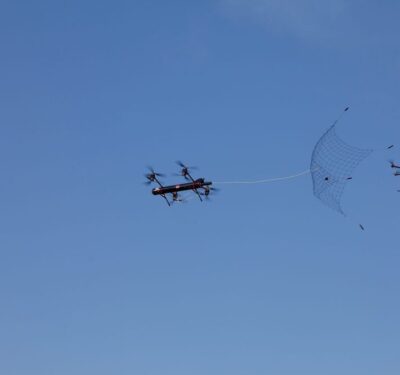

U.S. Southern Command has established the SOUTHCOM Autonomous Warfare Command, making it among the first geographic combatant commands to stand up a dedicated organizational structure for autonomous and unmanned systems operations.
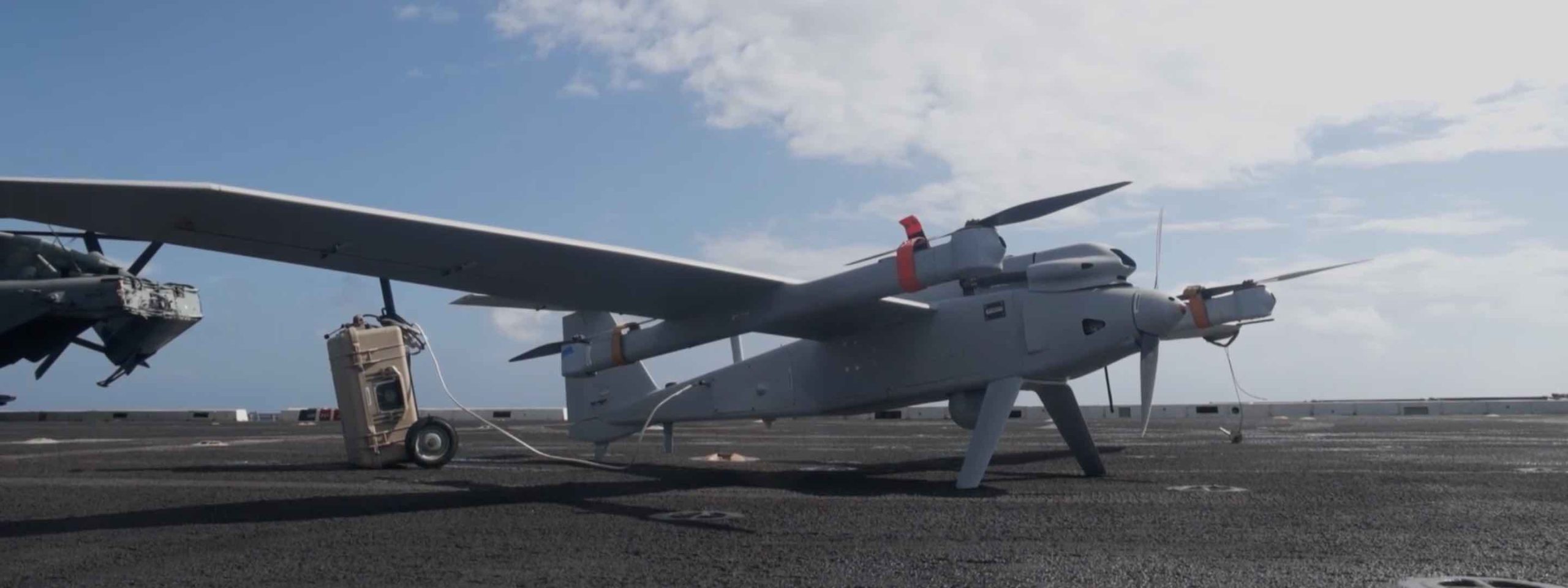
Marine Gen. Francis L. Donovan, SOUTHCOM commander, directed the establishment of SAWC to support National Security Strategy priorities, National Defense Strategy lines of effort, and what the command describes as operational dominance across its area of responsibility — the Caribbean, Central America, and South America.
Once fully operational, SAWC will be dedicated to employing autonomous, semi-autonomous, and unmanned platforms across domains, linking tactical missions to long-term strategic effects. The command’s stated mission set spans conventional deterrence, disruption of cartel networks, and humanitarian response to large-scale natural disasters — a broader operational mandate than autonomous warfare commands standing up in other theaters.
In building toward initial operating capability, SOUTHCOM will coordinate with the military services and the Pentagon’s Defense Autonomous Warfare Group to identify the expertise and capabilities required for SAWC to commence operations and integrate into the command’s mission structure. The explicit DAWG linkage makes SAWC an early test case for how the Pentagon’s $54.6 billion autonomous warfare investment translates into combatant command-level organizational change.
Donovan has signaled the intent behind the move in recent congressional testimony, telling lawmakers he aimed to develop and field cost-effective autonomous systems and human-machine teaming capabilities “to greatly increase lethality, all-domain awareness, and data sharing for U.S. and partner forces.” He framed SOUTHCOM’s geographic AOR — varied terrain, diverse operational environments, and what he described as capable and forward-leaning regional security partners — as an asset for innovation and experimentation.
The establishment of SAWC comes as the broader U.S. military is under pressure to demonstrate that investment in autonomous systems produces operational capability rather than organizational overhead. Whether SAWC develops the doctrine, training pipelines, and feedback loops required to employ autonomous systems effectively will make it an early indicator of how combatant commands translate autonomous warfare investment into operational reality.