
Robinson Unmanned’s Strategy for Scalable Vertical Lift
The unmanned aviation sector is entering a new phase. Early innovation produced a wide range of capable platforms. The next challenge is scale. Operators now need systems that can be produced in volume, supported over time, and integrated with rapidly evolving autonomy, communications, and sensor technologies.
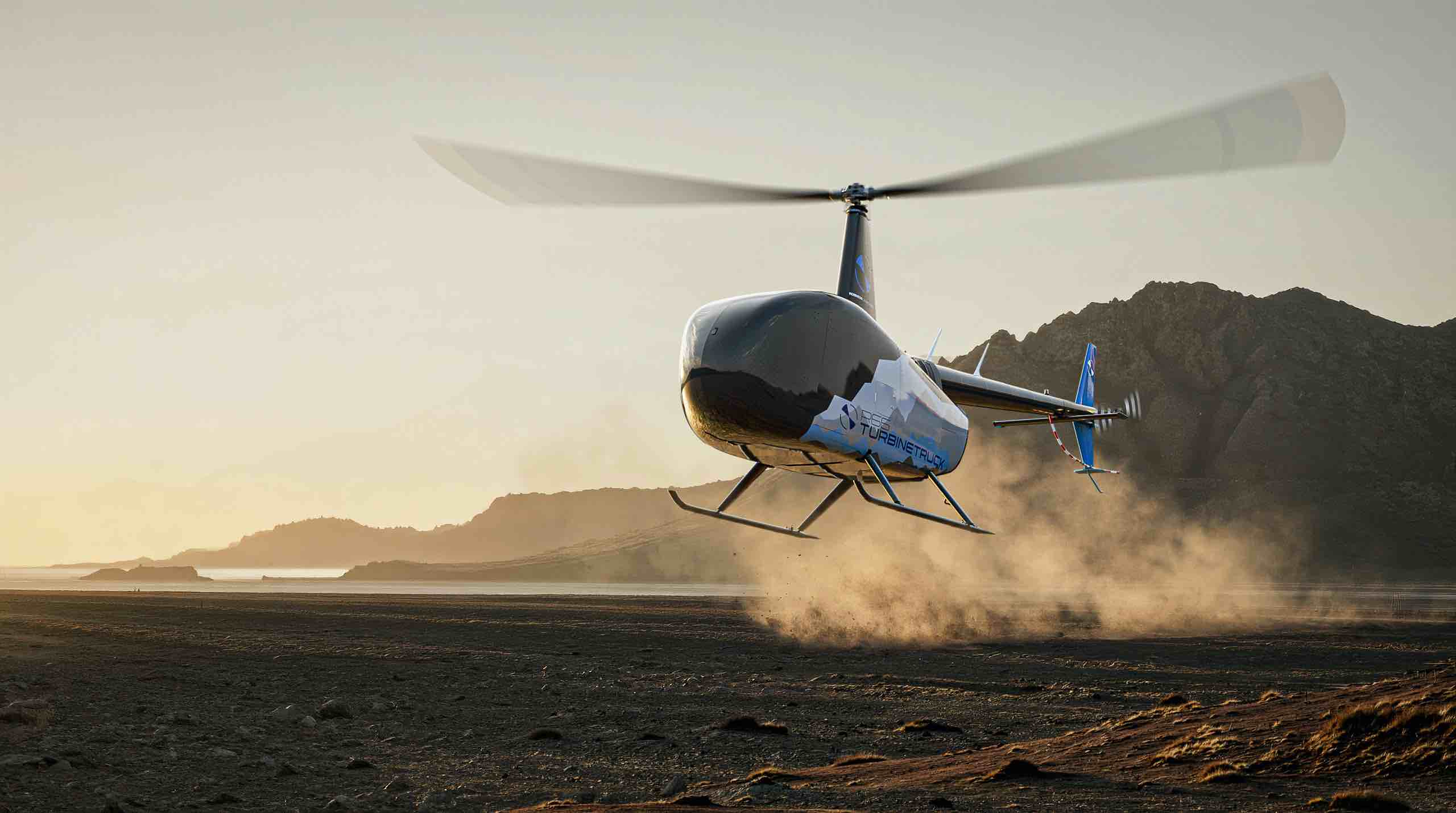
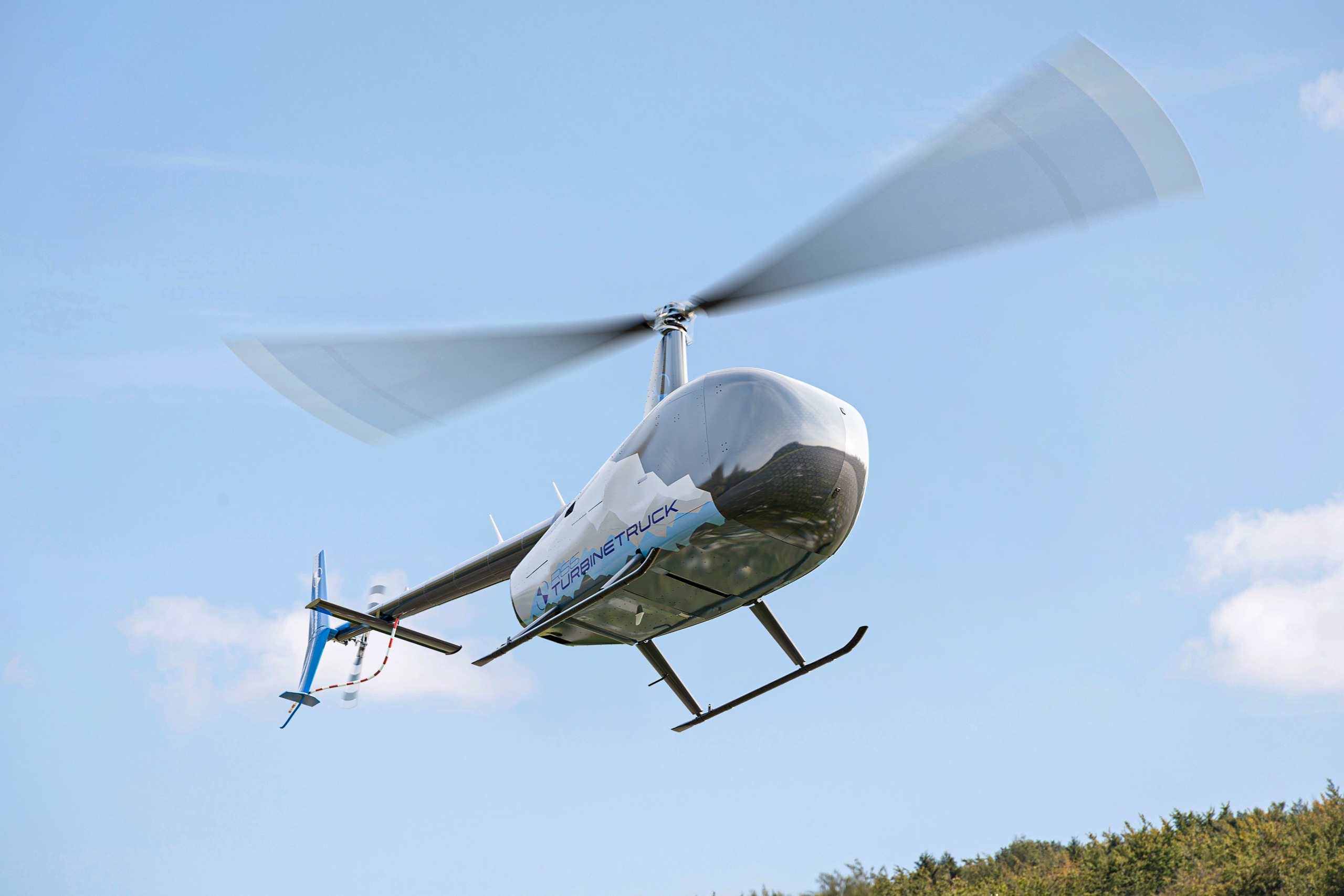
Robinson Helicopter’s launch of Robinson Unmanned signals an effort to address that challenge. The company is combining the modular drone designs developed by Ascent AeroSystems with Robinson’s long history in helicopter manufacturing. The goal is to build a family of unmanned vertical lift systems that spans small drones through larger turbine platforms.
The company describes the strategy as a natural extension of its roots. As Robinson executives put it, “This is not a departure from our heritage. It is a continuation of it.”
Robinson has delivered more than 14,000 helicopters worldwide. Its R44 and R66 platforms are among the most widely fielded civil helicopters in operation. The formation of Robinson Unmanned aims to apply that manufacturing base to a rapidly evolving unmanned systems market.
A market expanding across multiple aircraft classes
During an interview with Inside Unmanned Systems, Robinson Unmanned President Paul Fermo framed the company’s approach through the lens of the U.S. military’s unmanned aircraft categories.
“It helps to think about the market from Group 1 on up,” Fermo said. “There is demand across the spectrum. The adoption rate for unmanned systems and autonomy is increasing. As those systems are used more, operators discover additional use cases. That creates a reinforcing flywheel for the industry.”
Group 1 drones are now common in both military and civilian applications. They are used for reconnaissance, inspection, and public safety missions. At the same time, the operational requirement for larger unmanned systems is expanding.
“When you look at Group 3 and Group 4 rotary-wing systems, there are missions where you would rather not put a human in the aircraft,” Fermo said. “Contested logistics, mine clearance, route clearance, distributed resupply. Those are areas where unmanned vertical lift can play a major role.”
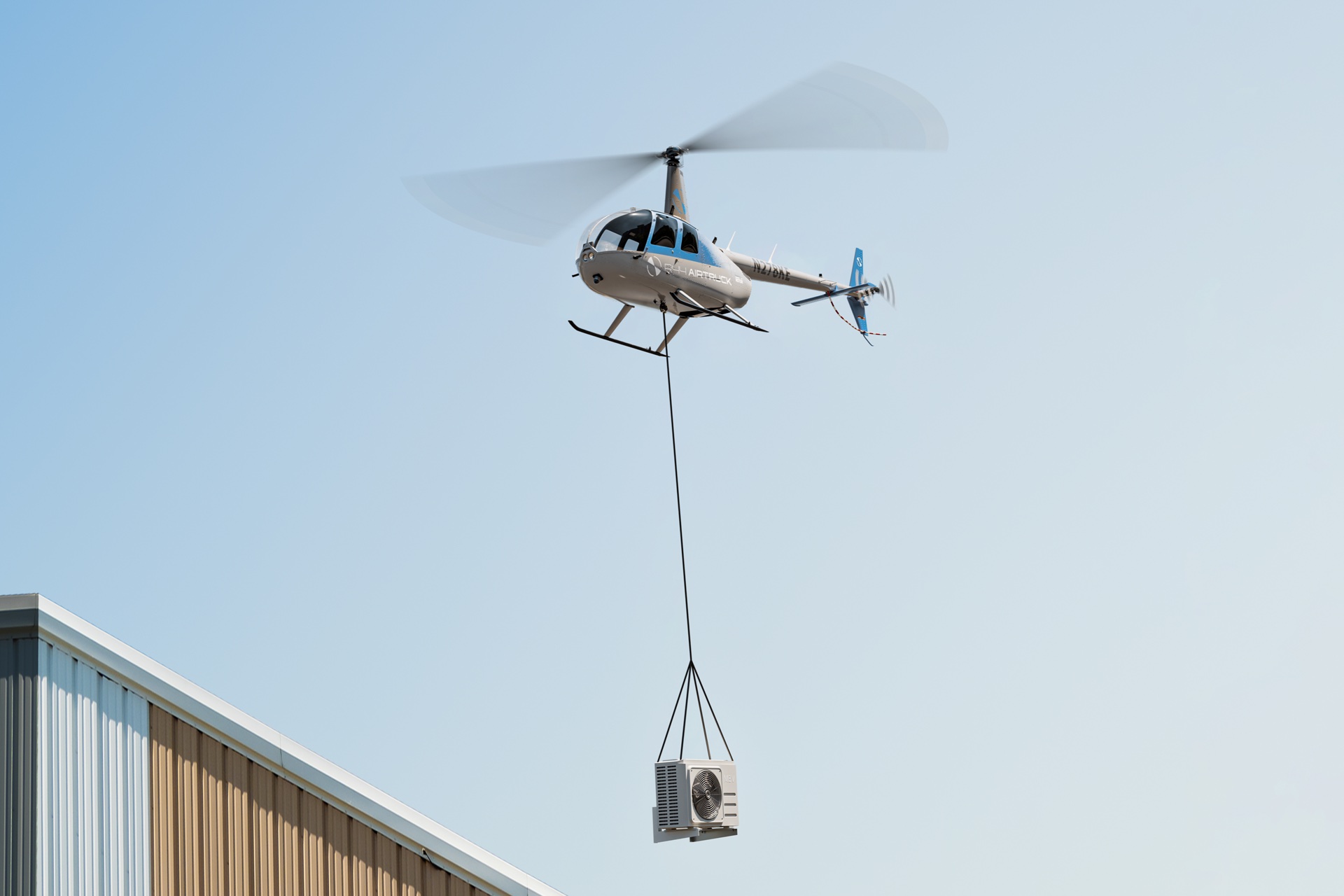
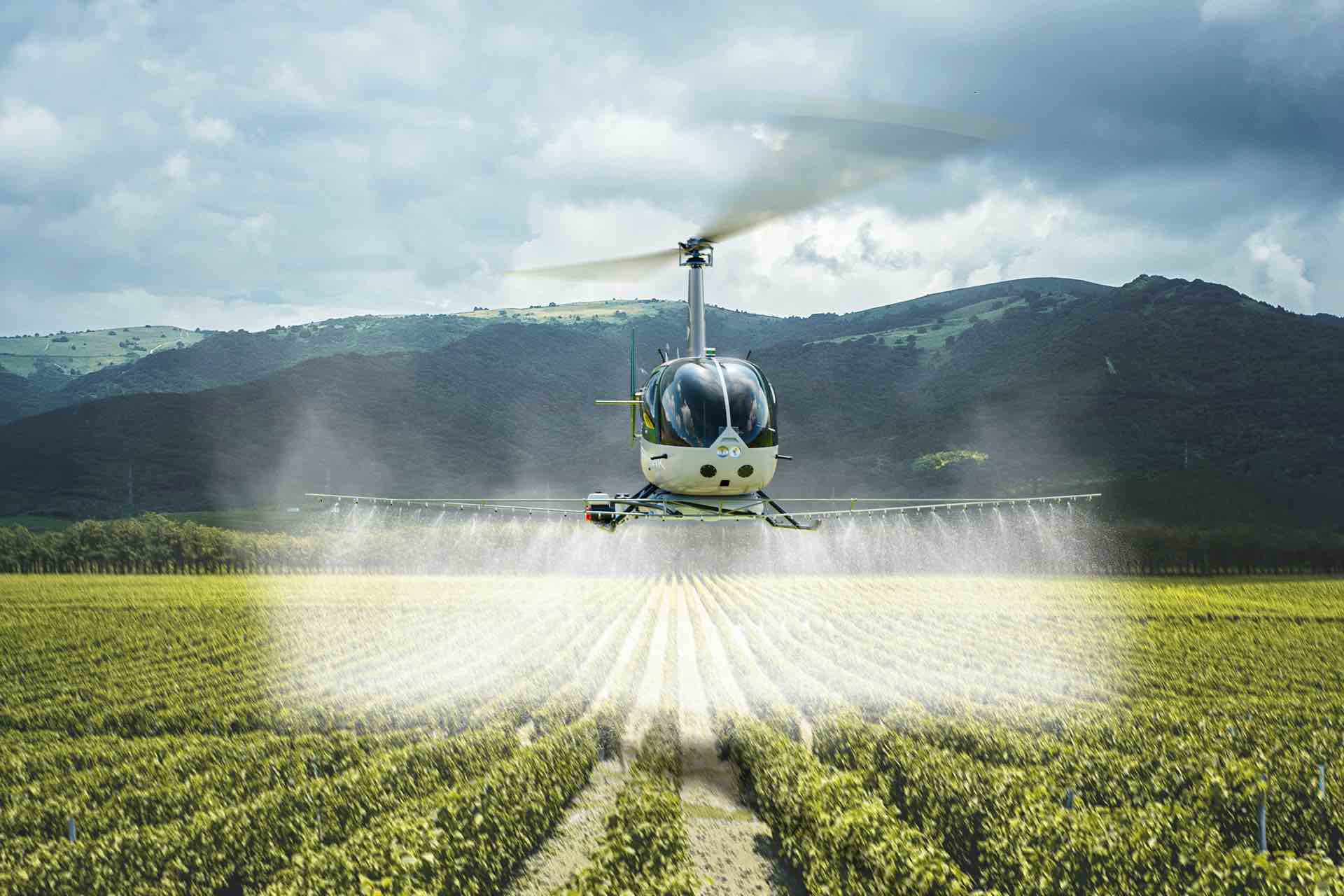
Commercial missions follow similar logic. Industrial operators are exploring shore-to-ship logistics, inspection operations, and remote cargo delivery.
“You still have logistics in the commercial sector,” Fermo said. “Resupply from shore to ship or ship to shore. It is often cheaper. It also allows operators to expand operations into areas that were difficult before.”
Dual use as a development model
Robinson Unmanned emphasizes that its systems are designed for both defense and commercial users.
“All of our systems are dual use,” Fermo said. “Defense tends to move first because the operational requirement is clear. But commercial and public safety operators are adopting the same technologies.”
The dual-use model allows lessons from one domain to inform the other.
“There is a lot of reciprocity between those environments,” Fermo said. “We have learned a lot from public safety customers that applies directly to defense. The use cases and operational lessons transfer both ways.”
That approach reflects a broader trend across the unmanned sector. Military demand is accelerating development in autonomy, communications, and logistics. Civil operators then adopt those capabilities once regulatory frameworks and operational economics align.
Building the “truck platform”
A central idea in Robinson Unmanned’s strategy is the concept of a platform that can support a wide range of technologies.
“We focus on building the truck,” Fermo said. “Let’s do the truck part really well. Then we can plug in the hardware and software capabilities as those technologies change.”
In this context, “truck” refers to the original multi-utility vehicle concept familiar from platforms such as the military jeep. Developed during World War II, the jeep became one of the earliest examples of a dual-use vehicle. It was designed for military mobility and logistics, yet its simplicity and adaptability allowed it to transition quickly into civilian agriculture, construction, and transportation after the war.
Robinson Unmanned applies the same philosophy to aircraft design. The air vehicle serves as a durable and reliable base platform. Sensors, radios, autonomy systems, and other mission equipment can then be integrated as needed without redesigning the aircraft each time technology evolves.
“In aerospace today, especially with unmanned systems, the evolution is extremely rapid,” Fermo said. “Give it six months and there will be a new sensor or a new software capability.”
A modular platform reduces the need to redesign an aircraft each time technology changes.
“That modularity allows operational dexterity,” Fermo said. “You can adjust quickly to different mission needs.”
Robinson’s helicopter heritage also supports that concept. The company has decades of experience building aircraft that support different configurations and missions.
“Our airframes are software agnostic from an autonomy stack perspective,” Fermo said. “That gives partners the ability to integrate their technologies more easily.”
The role of open architecture
Open architecture has become an important topic in defense acquisition and unmanned system design.
“When I was in the Pentagon, open architecture was something people were nervous about,” Fermo said. “There were concerns about cybersecurity and about giving away too much information.”
Over time that perspective changed.
“The reality was that procurement cycles could not keep pace with the speed of technology change,” Fermo said. “Open architecture and modular systems became necessary.”
For unmanned aircraft, that means the ability to integrate different radios, sensors, and autonomy systems.
“If you have a closed architecture, you are stuck with the radio you started with,” Fermo said. “With modular design you can integrate new communications systems or payloads as they become available.”
That flexibility is particularly important for military users who operate in dynamic communications environments.
“Being able to plug in different command and control systems is critical,” Fermo said. “It gives operators more options.”
Manufacturing as a differentiator
While many companies focus on autonomy software or new aircraft designs, Robinson Unmanned places equal emphasis on production.
“Our competitive edge lies in Robinson’s vertically integrated manufacturing and scalability.”
That manufacturing capability is one of Robinson’s defining characteristics.
“Robinson takes raw materials at one end and produces finished helicopters at the other,” Fermo said. “That kind of manufacturing discipline is a major advantage.”
The unmanned sector has historically been dominated by startups and smaller manufacturers. Many developed innovative technologies but lacked the production infrastructure of established aerospace companies.
“There are many great technologies in the unmanned space,” Fermo said. “But the industry has often lacked aerospace-grade processes.”
Those processes include quality management systems, product lifecycle management, and disciplined supply chain oversight.
“Those systems are critical if you want to deliver reliable products at scale,” Fermo said.
Supply chain resilience
Supply chain security has become another major concern for defense and commercial operators.
“Customers are asking about resilient supply chains,” Fermo said. “They want to know where components come from and whether there are alternative sources.”
The issue extends beyond regulatory compliance.
“It is not just about meeting a compliance requirement,” Fermo said. “It is about practical risk management.”
Many defense programs now require manufacturers to demonstrate multiple sourcing options and traceability for key components.
“We saw that focus very clearly in recent defense demonstrations,” Fermo said. “Programs want to know that you have two or three suppliers for critical systems.”
That emphasis aligns with broader efforts to strengthen domestic manufacturing capacity.
“There is an economic imperative to bring aerospace manufacturing back to the United States,” Fermo said. “It is also a technology imperative.”
Cost pressure and attritable systems
Cost is another constant factor in unmanned system development.
“There is always downward pressure on cost,” Fermo said. “That will never change.”
Operators want aircraft that can deliver capability without the expense of traditional manned systems.
“There is increasing demand for attritable systems,” Fermo said. “Systems that can be deployed in difficult environments without the same level of financial risk.”
Manufacturing scale plays a major role in achieving those cost targets.
“If you can produce at scale, you capture economies that help bring costs down,” Fermo said.
Designing aircraft for manufacturing efficiency also contributes.
“We focus heavily on designing for manufacturing,” Fermo said. “Producing systems faster and more efficiently.”
Partnerships across the ecosystem
Robinson Unmanned is also working with a range of technology partners.
“We see a lot of interesting collaborations emerging in this space,” Fermo said. “Some traditional aerospace companies are moving down market. They want to work with smaller platforms and new technologies.”
That collaboration reflects a broader pattern in aerospace.
“There has always been a cycle of consolidation and innovation in the industry,” Fermo said. “We are seeing that again in unmanned systems.”
Large aerospace firms often seek partnerships with companies that bring specialized technologies.
“We have worked with partners that integrate their capabilities on our platforms,” Fermo said. “That gives them a ready air vehicle while they focus on their technology.”
The importance of physics and form factor
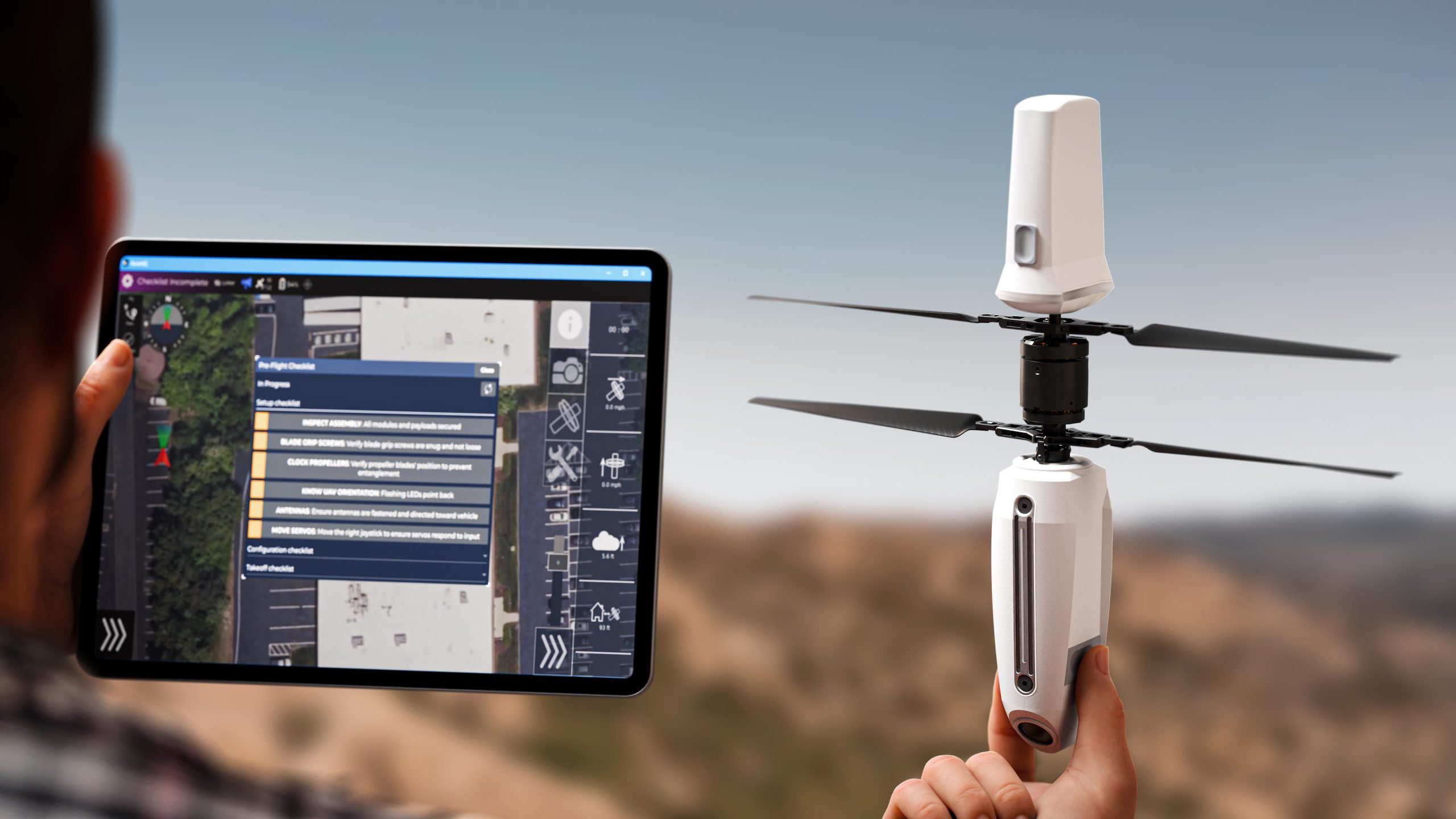
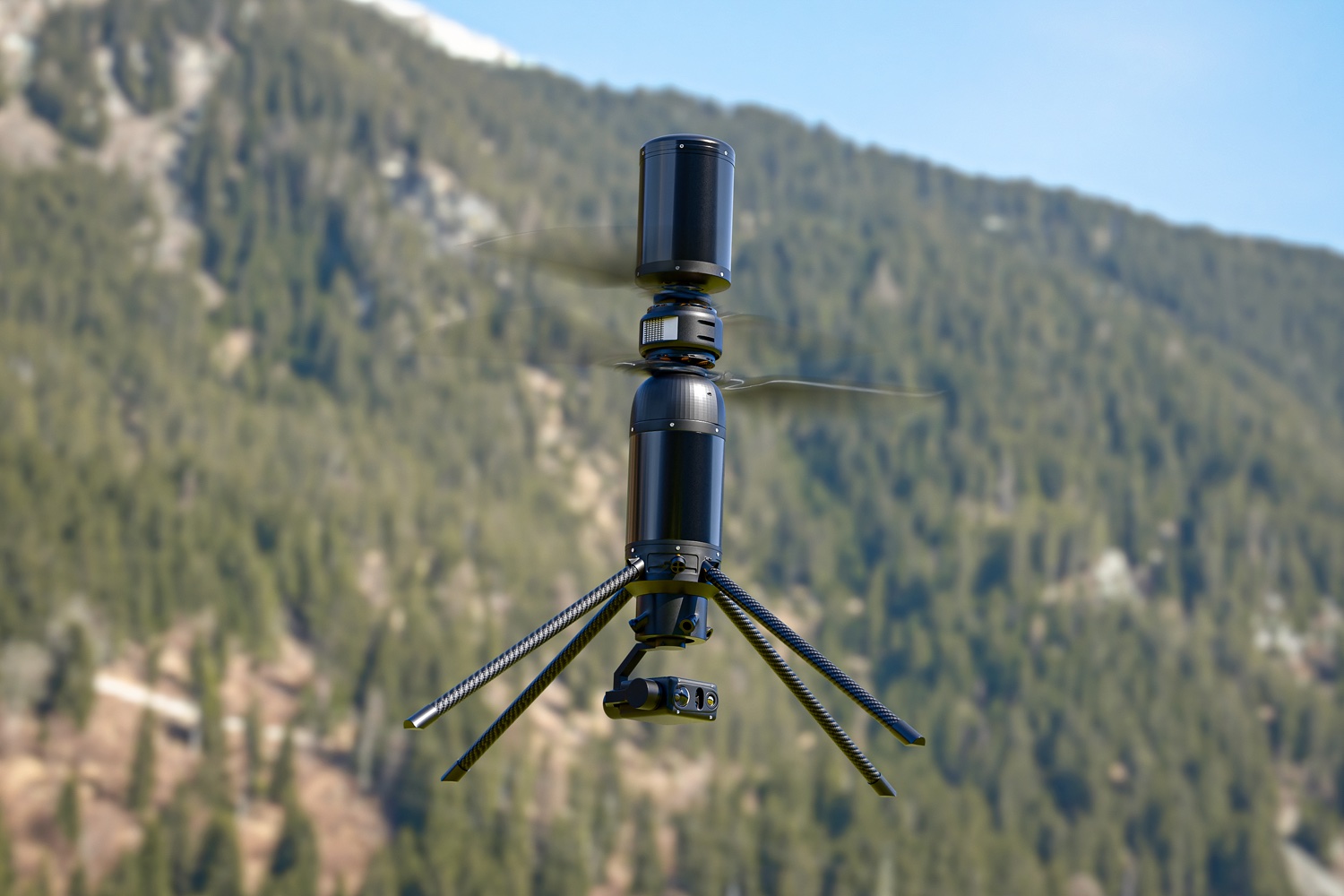
The approach reflects Ascent’s existing aircraft portfolio. At the small end is HELIUS, a sub-250-gram coaxial nano UAV designed to fit in a pocket yet deliver meaningful sensing capability. The SPIRIT platform represents the company’s modular mid-class aircraft that can integrate a wide range of payloads and communications systems. At the larger end sits SPARTAN, a heavier coaxial UAV derived from the earlier NX30 platform that supports longer endurance missions and higher payload weights.
“There are certain aerodynamic and physics advantages in our configuration,” Fermo said. “Form factor is one of them.”
The cylindrical structure of the drones allows them to fit into spaces that would not accommodate traditional quadcopters.
“It is easier to deploy a cylindrical system in many environments,” Fermo said. “That creates new operational possibilities.”
The configuration also allows aircraft to carry meaningful payloads while maintaining compact dimensions.
“That balance between payload, endurance, and size is very important,” Fermo said.
A rapidly evolving industry
Fermo believes the unmanned sector is entering a period of rapid expansion.
“The industry tends to move in cycles,” he said. “There are periods of innovation followed by consolidation and scale.”
Recent geopolitical developments have accelerated demand for autonomous systems.
“The operational requirement is clear,” Fermo said. “Governments and commercial operators are recognizing the value of these technologies.”
That momentum is likely to continue.
“The direction of the market is inevitable,” Fermo said. “Autonomous systems will become a larger part of aviation.”
Looking ahead
For Robinson Unmanned, the objective is to apply the company’s manufacturing foundation to this expanding market.
“We build drones better than anybody,” Fermo said. “But our mission is not just to build aircraft. Our mission is to help operators perform their jobs more effectively.”
That mission spans defense, public safety, and commercial sectors.
“The purpose of vertical lift technology is to make operations easier, faster, and safer,” Fermo said.
Robinson Unmanned intends to pursue that goal through collaboration with technology partners, government agencies, and commercial users.
“We want to continue working with the organizations that define these missions,” Fermo said. “Defense operators, civil agencies, and commercial customers all play a role.”
The future of unmanned aviation will depend on that collaboration. Technology developers, aircraft manufacturers, and operators will continue refining concepts of operation and integrating new capabilities.
Robinson Unmanned sees itself as part of that process.
“We are focused on building the platforms that allow those technologies to come together,” Fermo said. “And we want to do that in partnership with the people who use them every day.”
For Robinson Unmanned, the goal is to help move unmanned aviation from a period of experimentation into a period of scalable deployment. That transition will depend on close collaboration with defense operators, civil agencies, and commercial users who are defining the next generation of vertical lift missions.