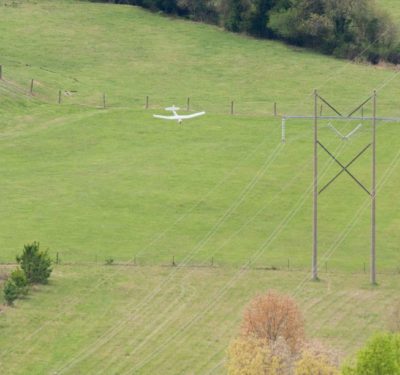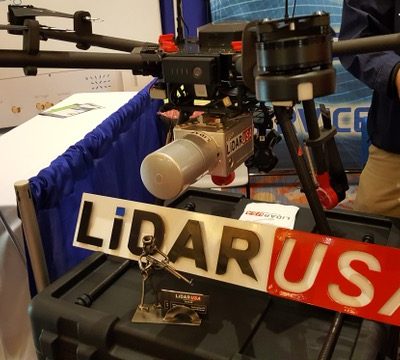

Lockheed Martin has made a $25 million investment in Fortem Technologies, the initial tranche of Fortem’s Series B round, to accelerate production of counter-UAS systems and expand deployment within Lockheed Martin’s Sanctum C-UAS ecosystem.
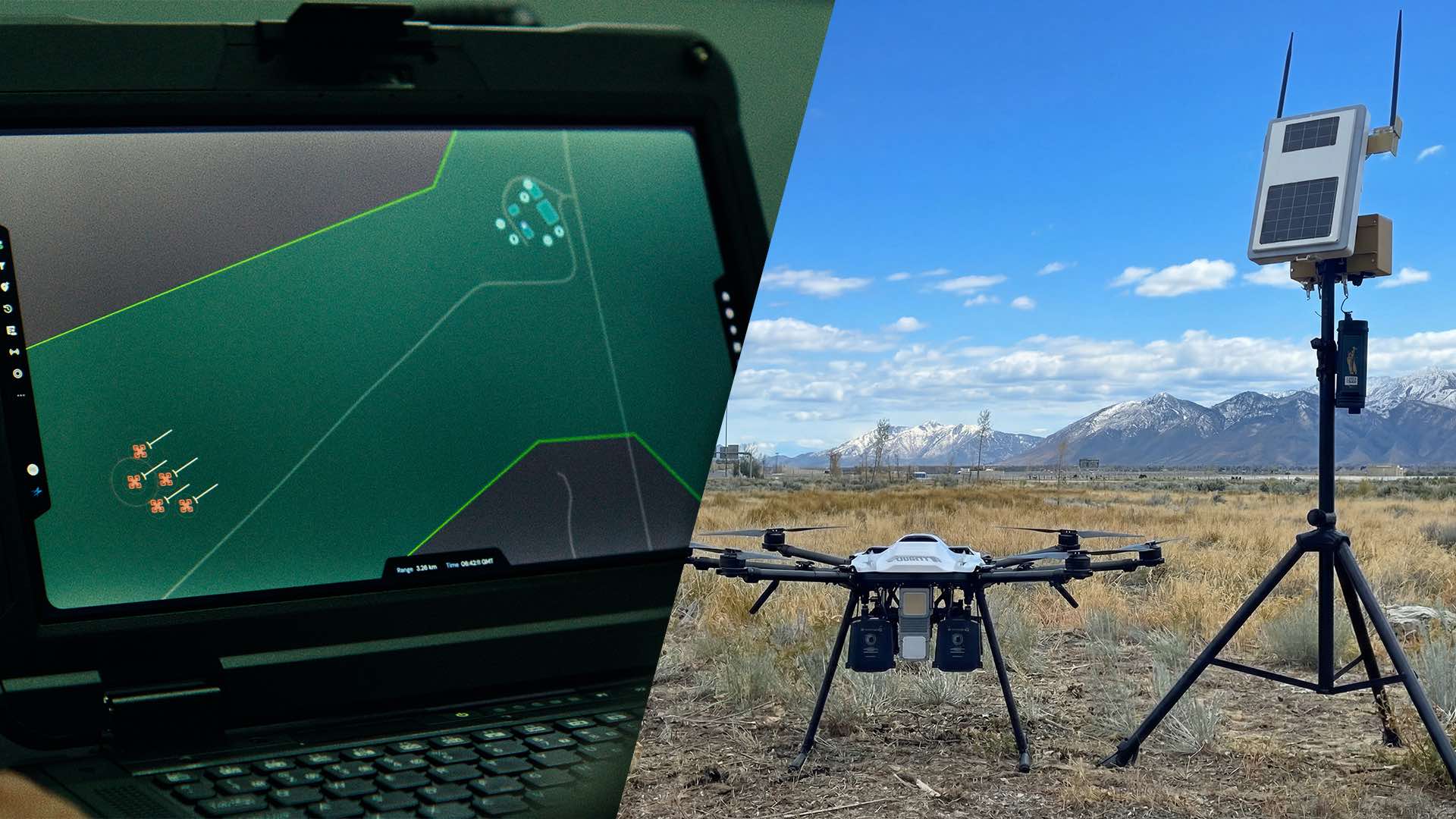
The investment deepens an existing partnership between the two companies around an integrated approach to drone defense that is moving into broader operational deployment. Fortem’s SkyDome Family of Systems combines TrueView radar sensors, command-and-control software, and the autonomous DroneHunter interceptor — the only drone-on-drone kinetic interceptor currently authorized to operate in U.S. airspace — into a layered kill chain designed to detect, track, and neutralize hostile UAS at scale.
The funding will enable Fortem to at least double manufacturing capacity at its production facility in Lindon, Utah.
“This strategic collaboration will deliver robust mission capability aligned to our customer’s demand for rapidly fieldable solutions that scale in volume and evolve as fast as the UAS threat,” said Stephanie Hill, president of Lockheed Martin Rotary and Mission Systems.
Fortem CEO Jon Gruen framed the investment as a response to a threat environment moving faster than traditional defenses were designed to handle. “Counter-UAS capabilities need to be autonomous, integrated and deployable at scale,” Gruen said. “Together, we’re taking technology that has already been proven in operational settings and accelerating its deployment.”
Fortem’s systems have seen operational deployment in Ukraine, the Middle East, and East Asia. The DroneHunter platform operates as an autonomous interceptor, using onboard AI to track and engage targets without requiring a continuous ground control link — a capability increasingly relevant as adversary drone tactics evolve toward GPS and RF-denied operating environments.
The Sanctum integration positions Lockheed Martin to offer a full-spectrum C-UAS solution spanning detection through kinetic defeat, competing in a counter-UAS market the company projects will exceed $12 billion by 2030.