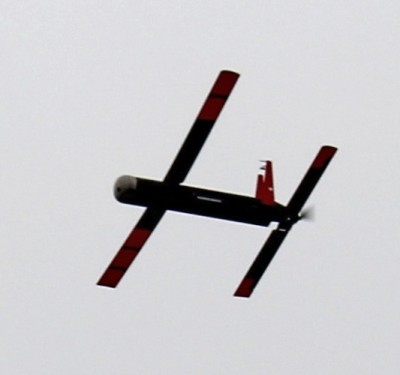

Allied Command Transformation has moved its Layered Counter-UAS Initiative — known as LCI-X — from framework into field experimentation, completing the first event in its Crucible Series last month at Romania’s Capu Midia Training Range.
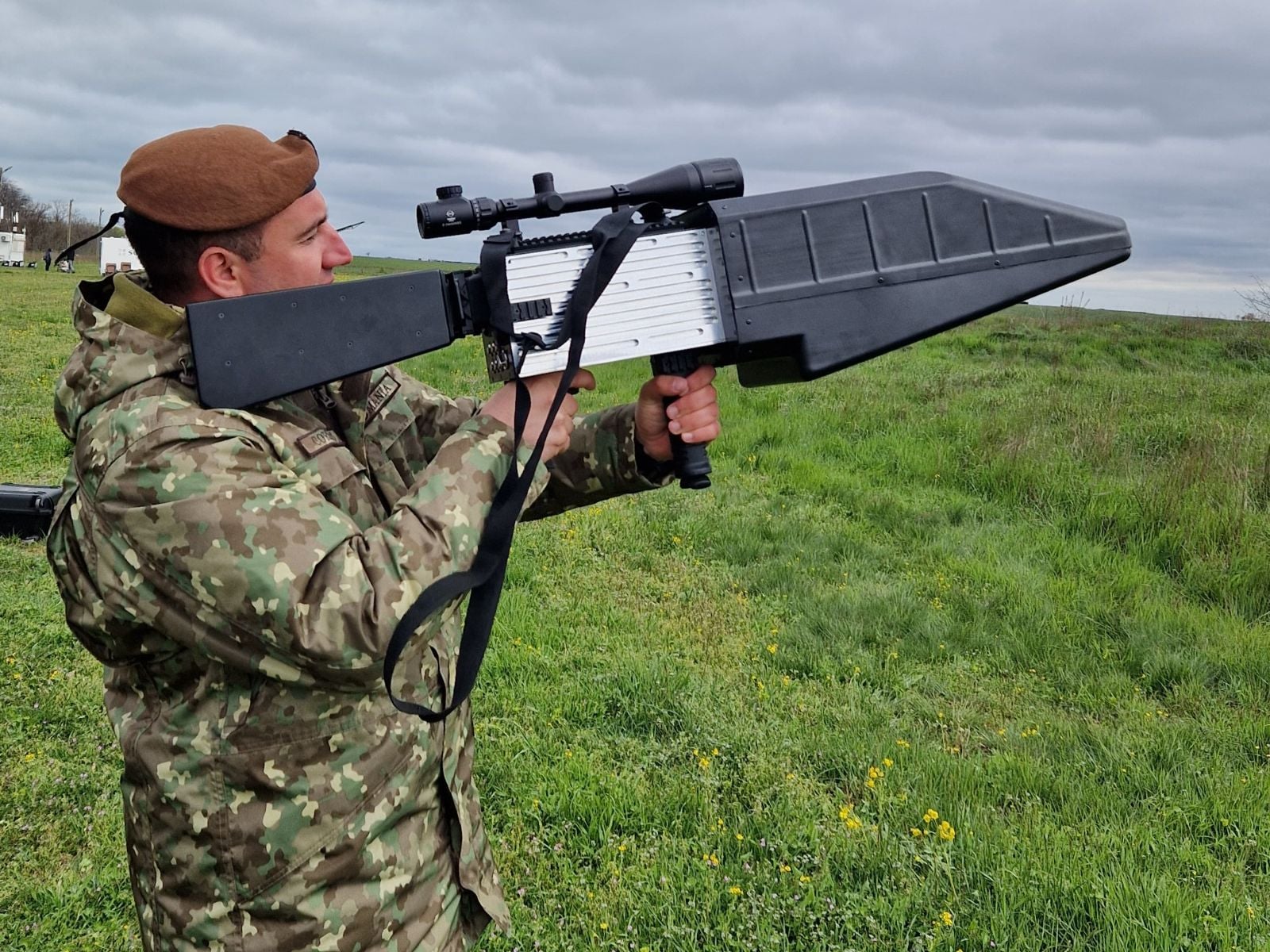
Designated a 2026 Beacon Project, LCI-X is ACT’s effort to accelerate the Alliance’s counter-UAS development by compressing the cycle from experimentation to deployable capability. Rather than treating counter-UAS as a discrete technology problem, the initiative brings together Allied nations, NATO commands, and industry to test how sensors, effectors, electronic warfare tools, and command-and-control systems can be integrated into a coherent, layered defensive architecture across national and NATO platforms.
Crucible 1-26, hosted by Romania’s Ministry of National Defence as part of Exercise Eastern Phoenix 26, brought together approximately 500 personnel and roughly 215 technical systems in a structured experimentation environment. Twenty-one Allied nations participated through national delegations, companies, and defence industry representation.
A distinguishing feature of the event was direct input from Ukraine. LCI-X has integrated NATO’s lessons-learned processes — including support from the NATO-Ukraine Joint Analysis, Training and Education Centre (JATEC) — to ensure experimentation scenarios reflect current UAS tactics and operational conditions rather than controlled demonstrations against dated threat models.
“LCI-X is designed to rapidly deliver low cost, adaptable, scalable sensors, effectors, and decision-making tools into a coherent and interoperable layered counter-UAS defence across the Alliance,” ACT’s LCI-X Director said in a program summary. “This is accomplished by creating innovative learning environments that turn real-world, threat-informed lessons learned into delivered innovative interoperable capability at the speed of relevance.”
The Crucible Series is designed to run in recurring cycles through 2026, with each event building on the last and expanding the scale and integration of C-UAS experimentation. ACT has been surveying Allied testing ranges and scanning commercially available counter-UAS systems to build a broader experimentation network across the Alliance.
LCI-X also carries a direct deterrence dimension. By developing the Alliance’s ability to detect, track, assess, and respond to uncrewed threats at scale, ACT frames the initiative as a contribution to readiness and operational credibility along NATO’s Eastern Flank — where drone warfare, as demonstrated in Ukraine, has proven both persistent and rapidly adaptive.
Further Crucible events are planned across Europe through the remainder of the year.