
Europe is accelerating investment in autonomous sea and air defense systems as seabed sabotage, contested skies, and rising geopolitical tensions force NATO and EU nations to harden critical infrastructure and expand deterrence.
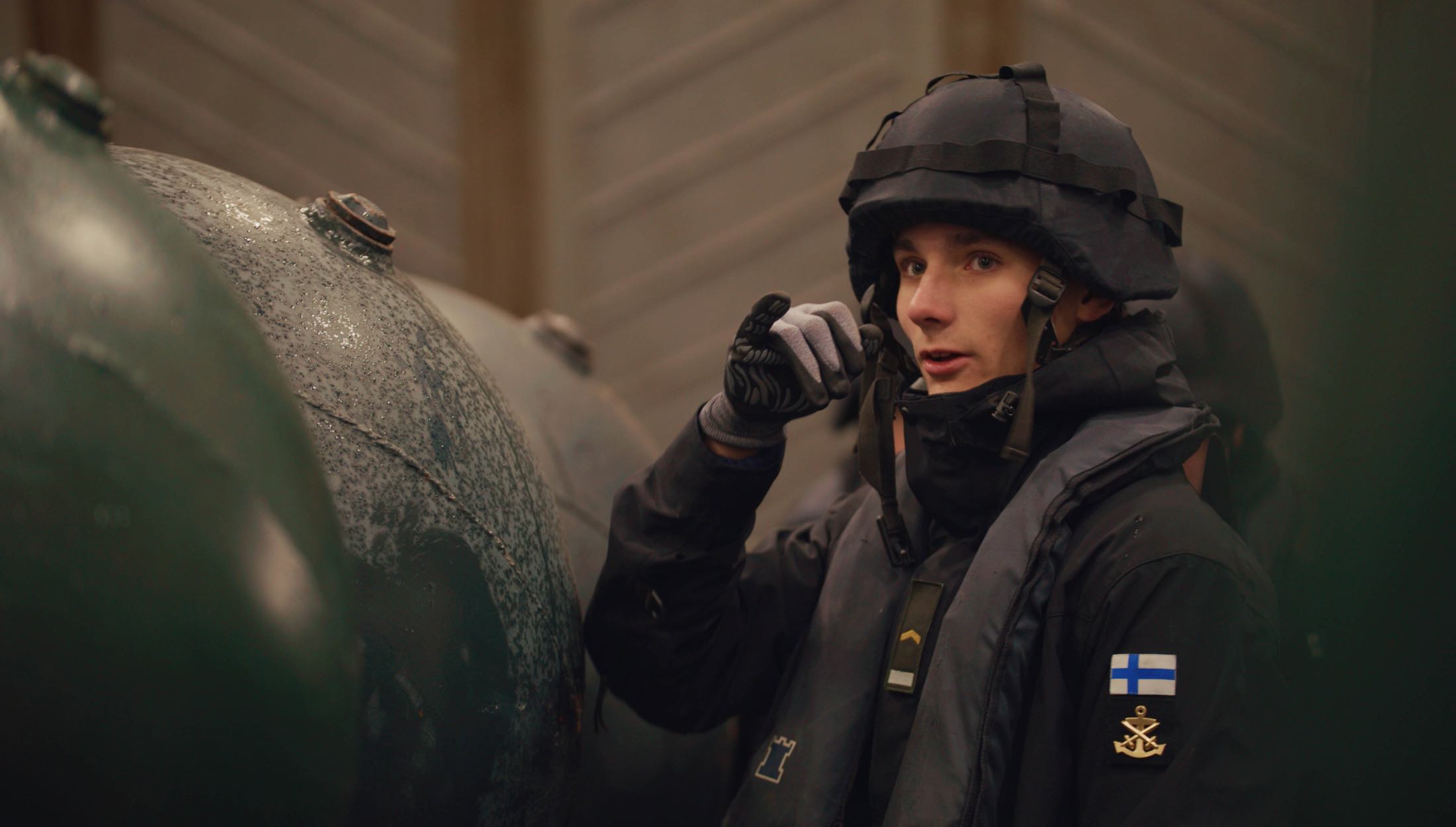
Plans to deploy the new, large, uncrewed, underwater vehicle (LUUV) in the Baltic Sea mark a significant milestone in Europe’s evolving approach to monitoring and protecting its critical infrastructure. The continent faces unprecedented challenges as the Ukraine conflict rages on, amid rising incidents of suspected seabed sabotage and increasingly contested maritime and air domains.
Since late 2023, European nations have witnessed alarming increases in suspicious activities targeting underwater communication cables, pipelines, and other assets. These developments have impelled a rapid shift towards autonomous systems as a core component of European defense strategy, with nations mobilizing unprecedented resources to address emerging threats.
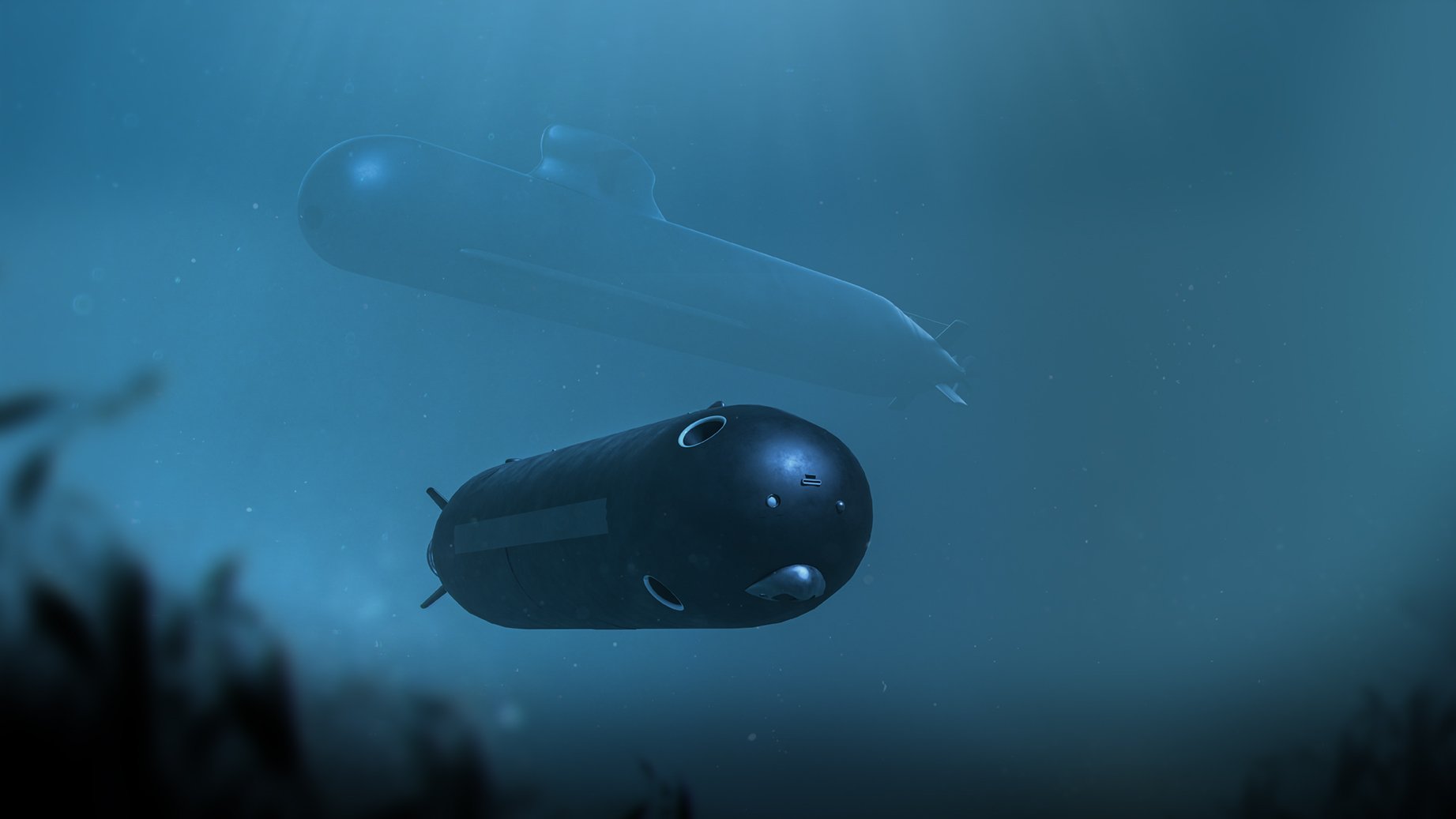
The LUUV will be equipped with Saab’s Autonomous Ocean Core system, a control system for unmanned surface and underwater vehicles, enabling the performance of seabed surveillance and protective operations.
Peter Karlström, AI and Autonomy Project Manager at Saab Business Area Kockums spoke to Inside Unmanned Systems about some of Europe’s new investments in autonomy. “One of the biggest challenges within this field is the integration and interoperability of autonomous systems across different domains – air, sea, and undersea,” he said. “Enhanced collaboration and standardization are essential to ensure they can operate seamlessly together. The development of resilient communication networks that support autonomous operations in contested environments is also crucial.
“We have to do everything we can to ensure these systems are able to make autonomous decisions and operate effectively even when communication with a central command is disrupted,” Karlström said. “And there is a need for more advanced sensor technologies and data fusion capabilities to provide a comprehensive situational picture.”
The Baltic gambit
The Baltic Sea is a critical maritime corridor for trade, energy, and undersea infrastructure, making it a focal point for NATO’s deterrence and defense strategy, especially following the accessions of Finland and Sweden in 2023 and 2024.
Enhanced security measures are clearly needed. Since late 2023, there has been a rise in undersea incidents, including the severing of the Estlink 2 cable connecting Estonia and Finland in December 2024. Intelligence reports have identified increased activity from Russian shadow fleets and other suspicious maritime operations throughout the region, although attributing specific acts of sabotage remains challenging.
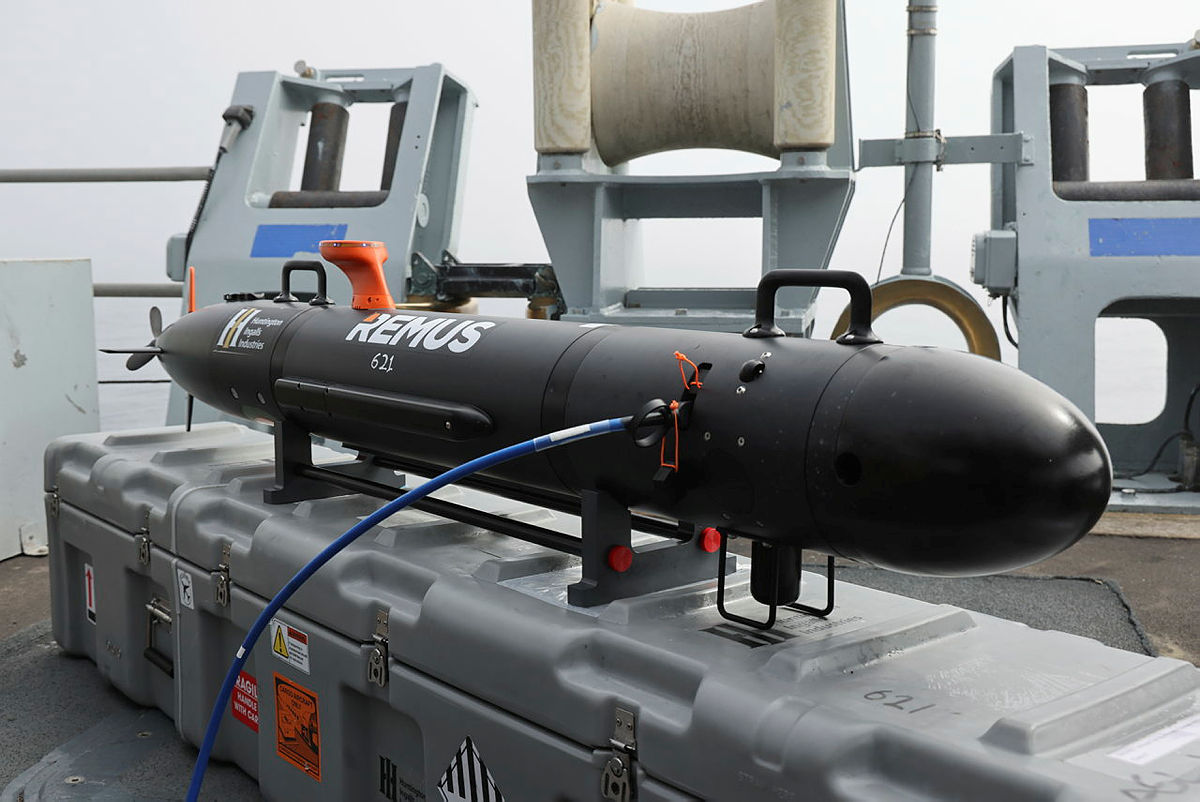
Europe’s response has been multifaceted, combining traditional naval presence with cutting-edge surveillance technology. Maritime patrol aircraft equipped with advanced sensors regularly monitor surface activities, while underwater drones conduct continuous sweeps of critical seabed infrastructure. Real-time AI applications have revolutionized monitoring capabilities, allowing for the instantaneous analysis of vast amounts of data to identify anomalies.
Launched in January 2025, NATO’s Baltic Sentry mission represents one of the higher-profile responses to the Baltic challenge. The mission brings together a multinational naval force, including a Dutch frigate, a German minesweeper, and support vessels from other Northern European nations. The initiative operates under the strategic guidance of the UK-based Maritime Center for the Security of Critical Undersea Infrastructure, established specifically to coordinate European responses to underwater threats.
Baltic Sentry’s primary objective is straightforward yet vital: to function as a comprehensive security system for undersea infrastructure across the Baltic region. Advanced AI systems have been deployed to monitor ship behavior, detect anomalies in maritime traffic patterns, and identify potential threats.
Towards action
Which brings us back to LUUV. Saab’s contract with the Swedish Defense Materiel Administration to develop the new vehicle is a significant new commitment to autonomous underwater surveillance. The vehicle will be capable of operating independently for extended periods, while Saab’s integrated Autonomous Ocean Core system will enable seamless data processing and transmission to command centers.
The design and mission concept of the LUUV were shaped by real-world operational scenarios and threat profiles. “Of course, we have the protection of critical underwater cables and pipelines, which is vital for our communication and energy supply,” said Karlström. “Another key need is enhanced underwater domain awareness, especially in challenging conditions, like in the Baltic, with its variable depths, strong currents, and complex underwater landscape.”
The LUUV is equipped with advanced sensors and data fusion capabilities, enabling the detection and identification of enemy submarines or small, uncrewed, underwater vehicles (UUVs).
LUUV is currently in its development phase, with initial sea trials planned for summer 2026. The work plan is agile, allowing for rapid adjustments and innovations. “The LUUV is designed to address exactly the kinds of critical gaps we are seeing,” said Karlström, “and our timeline aligns with Europe’s urgent demand for enhanced undersea awareness.” Karlström said one of the key breakthroughs in the program has been LUUV’s endurance and power management systems.
Solidifying its position as a comprehensive provider of autonomous solutions, Saab recently announced its selection by NATO to lead the Allied Underwater Battlespace Mission Network project (AUWB-MN). Formally launched on 1 September 2025, the project will deliver interoperability for maritime, uncrewed systems and conventional platforms across allied nations.
In a communication accompanying the AUWB-MN launch, NATO Project Director David Burton called the project a significant step forward in the modernization of NATO’s warfighting capabilities and the ability of its allies to operate together effectively in the underwater domain.
Innovation at sea and in the air
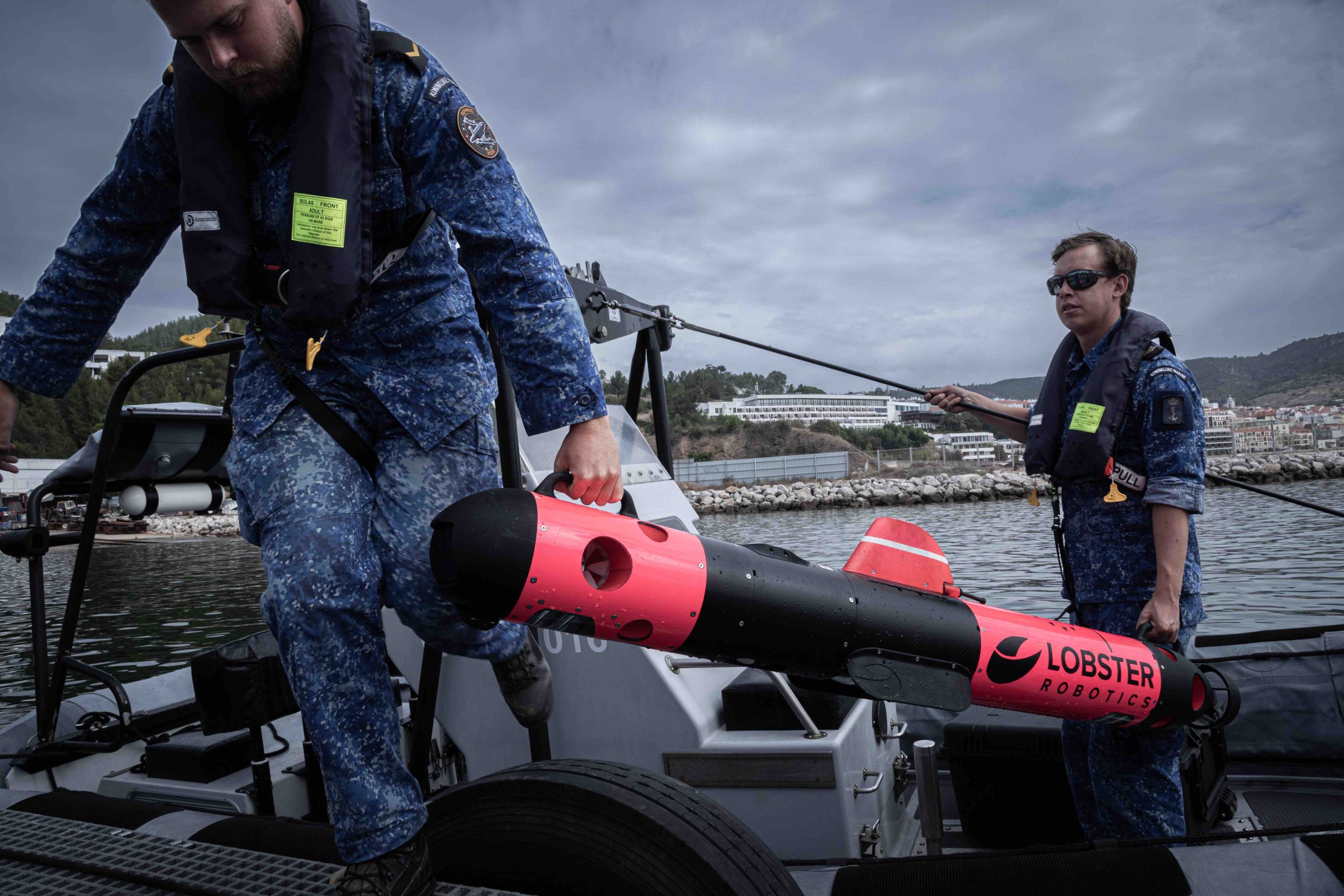
Meanwhile, the Belgian-Dutch rMCM (replacement Mine Countermeasures) program, reportedly worth a cool €2.2 billion, continues to churn out new autonomous systems for mine detection and neutralization. Vessels are currently undergoing sea trials, with full operational capability expected within the next 18 months.
Across the Channel, in the UK, the Royal Navy is accelerating its own development of autonomous maritime systems, with the Excalibur XLUUV (extra-large, uncrewed, underwater vehicle) representing a major advancement in strategic underwater capabilities. This platform offers extended range and mission duration compared to previous systems, enabling persistent monitoring of vast maritime areas.
In the air, the Royal Air Force’s StormShroud advanced combat platform (ACP), and Protector remotely piloted aircraft system (RPAS) are enhancing surveillance and strike capabilities. Designed with interoperability as a core principle, these integrate and communicate seamlessly with other NATO assets.
Wing Commander and Royal Air Force Spokesman Martin Tinworth said the RAF is currently operating the crewed, Boeing-made Poseidon P-8 for maritime and underwater surveillance, with the intention of using ACPs increasingly to augment and enhance the military effectiveness of crewed platforms, as outlined in The RAF ACP Strategy.
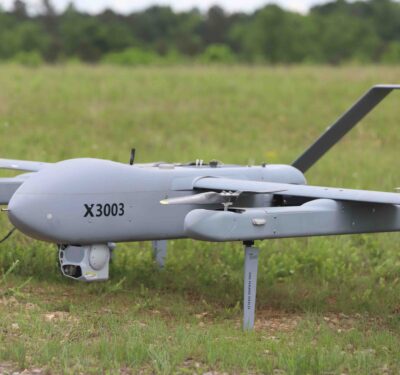
“StormShroud was procured to answer an urgent capability requirement for stand-In jamming of adversary radar,” said Tinworth. The program is developing loyal wingman drones to enhance lethality while reducing pilot risk. An initial budget of £19 million was allocated for the procurement of the first batch of drones. StormShroud can support aircraft including fighters like the F-35B and Typhoon, disrupting enemy air defenses to boost survivability and extend operational reach. “The air vehicle is a Tekever AR3, with a Leonardo BriteStorm payload, along with other supporting systems and technologies,” Tinworth said.
Latest RPAS deployed
The Protector RG Mk1 is the UK’s latest RPAS. Based on General Atomics Aeronautical Systems’ MQ-9B SkyGuardian, the Protector entered service in June 2025. It provides advanced intelligence, surveillance, target acquisition, and reconnaissance (ISTAR), along with precision strike capabilities. It officially entered operational service in June 2025. “Key milestones ahead for Protector include integration into wider RAF mission sets,” said Tinworth, “and the scaling of logistics and sustainment frameworks to support global deployments.”
Protector’s advanced features allow the RAF to integrate the capability in shared civilian airspace, reducing reliance on segregated zones and enabling flexible global basing options. An autonomous tactical launch and control (ATLC) system, in particular, significantly reduces the need for a forward-deployed aircrew and ground control stations, enhancing strategic agility.
Like StormShroud, Protector is designed for interoperability with allied forces. Its open architecture and secure communications suite ensures seamless integration with multinational task groups, enhancing coalition effectiveness.
The UK has not released updated Protector RG Mk1budget figures since March 2023, when the program’s projected whole-life cost was expected to exceed £1.76 billion.
Changing cultures
The RAF ACP Strategy recommends a change in defense and wider UK government culture, policy and process, to facilitate a mutually beneficial and agile relationship with industry. “The intent,” said Tinworth, “is to exploit and accelerate the delivery of novel and transformative technologies to the front line.” A system like StormShroud, he said, was not intended as a capability frozen at the point of delivery: “By bringing together government and industry expertise, a constant exploitation of evolving technology is intended.
“ACP should be designed, built, and supported with the minimum of regulation, sustainment, and logistic costs. By modifying our design, regulation and build standards, the time and cost of development and maintenance may be drastically reduced. This philosophy is different for many areas of defense and requires some change to our wider cultures, policies, and processes.”
The UK, alongside Belgium, has established the MQ-9 International Cooperation and Support Partnership under the NATO Support and Procurement Agency (NSPA). This has already expanded to seven participant nations, and the close coordination and information sharing is enhancing both the UK and NATO interoperability, reducing costs, and helping to maintain a cutting-edge advantage.
Following suit
Back on the continent, European air defense is undergoing an equally significant transformation. For example, Germany, Denmark and the Netherlands have all acquired Rheinmetall’s Skyranger 30 systems. This very short-range air defense turret system provides mobile ground units with protection against a variety of aerial threats, including fixed and rotary-wing aircraft, cruise missiles, loitering munitions, and drones, addressing a critical vulnerability identified in recent conflict analyses.
The European Integrated Sky Defense Network (EISNET) project is coordinated by Thales and involves 23 partners from industry, research centers, and universities across twelve European Union member states. It will develop tools enabling real-time data and services sharing between heterogeneous European radar, sensor and weapons systems.
A Thales spokesperson told us, “This is done through parallel development of different intelligent bricks, based on common requirements, integrated by the members states in their national systems. This can include multisensor trackers based on sensor data fusion, as well as AI based optimizers to orchestrate in real time – below one second – the exchange of data and services between systems. Resources will be dynamically balanced, with standardized communications, with low latency and high throughput.”
Finally, the Eurodrone program, with funding reported at €7.1 billion, continues to progress, with initial operational capability expected around 2028. This system will significantly enhance European intelligence, surveillance, and reconnaissance (ISR) capabilities, reducing a dependence on American assets seen as a critical vulnerability.
Key support mechanisms
From the seabed to the skies, European nations are investing unprecedented resources in autonomous defensive technologies, underpinned by robust financial and institutional support mechanisms. The European Defense Fund (EDF) has emerged as a crucial instrument, providing billions of euros for collaborative defense projects with an emphasis on autonomous systems development.
EDF funding can directly support and accelerate such joint capabilities as the so-called ‘drone wall’ described by European Commission President Ursula von der Leyen. Recent Russian drone incursions, especially over Poland, Romania, Estonia and possibly Denmark, have sharpened calls for such a system, which would protect the Union’s eastern flank via sensors, interceptors and autonomous counter-UAV systems.
Similarly, the EU Defense Innovation Office has implemented initiatives to support cross-border collaboration on defense technology, streamlining regulatory processes and facilitating knowledge sharing between member states’ defense industries.
Also, EU spokesperson Thomas Regnier told Inside Unmanned Systems, “Together with member states, we have created the new SAFE [Security Action for Europe] instrument, which provides €150 billion for joint procurement to invest in our defense.” The fund was created and subscribed in record time, Regnier said: “In just five months since its adoption in May 2025, 19 member states have applied for loans under SAFE.”
SAFE shows the EU’s determination to boost collective defense readiness and deliver quickly on commitments made under ‘Readiness 2030’, the policy identifying drones and anti-drone systems as a priority capability area.
“Member states need to make cooperation the norm, strengthening our own defense industrial base,” said Regnier. “SAFE is a strong signal: we pool demand, scale up defense investment, and strengthen our industry while keeping member states in the lead. This is about more security for European citizens, better use of taxpayer money, and closer cooperation with partners like Ukraine.”
NATO’s Defense Innovation Accelerator for the North Atlantic (DIANA) is a €1 billion investment strategy tied to innovation, supporting rapid prototyping and deployment of new defense technologies across member states. DIANA’s focus on autonomous systems has catalyzed numerous projects that might otherwise have languished in development phases.
Future outlook
With seabed sabotage and contested airspace now front line concerns, autonomous solution developers must weigh quick deployment against ensuring resilience, interoperability, and trustworthiness among NATO and EU partners.
“We think we can keep the right balance through close collaboration with our allies,” said Saab’s Karlström. “This ensures that our solutions meet operational requirements and can integrate with existing systems. Our approach includes continuous testing and validation to ensure that the systems are robust. We are also investing in advanced cybersecurity measures to protect against potential threats and ensure the trustworthiness of our autonomous systems.”
Interoperability, Karlström said, is vital: “We are collaborating with other defense primes and technology partners to develop open standards and protocols that allow our systems to work seamlessly with those from other suppliers. This includes participating in joint exercises and demonstrations to validate the interoperability of our solutions.”
While challenges remain, the trajectory is clear. European defense is becoming increasingly autonomous, networked, and capable of responding to complex threats across multiple domains.
As geopolitical tensions persist, continued innovation and collaboration within the European defense ecosystem will be essential to maintaining security and stability across the continent. The developments outlined here represent not merely technological advancement, but a fundamental shift in how Europe will prepare and defend itself in the future.