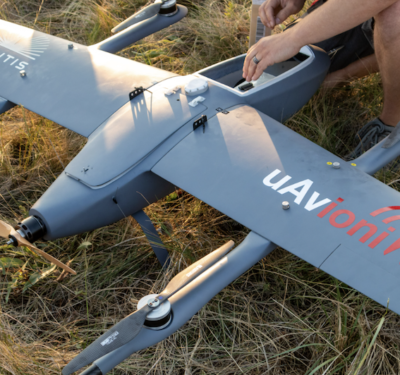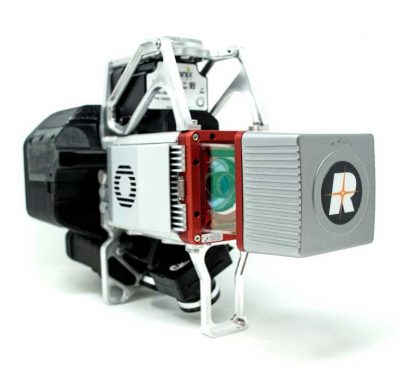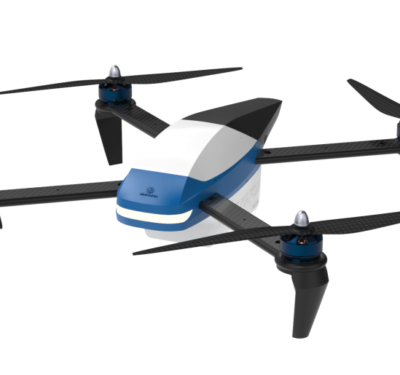

A new FCC Covered List update, driven by an Executive Branch national security determination, targets foreign-produced unmanned aircraft systems and critical components on a going-forward basis.
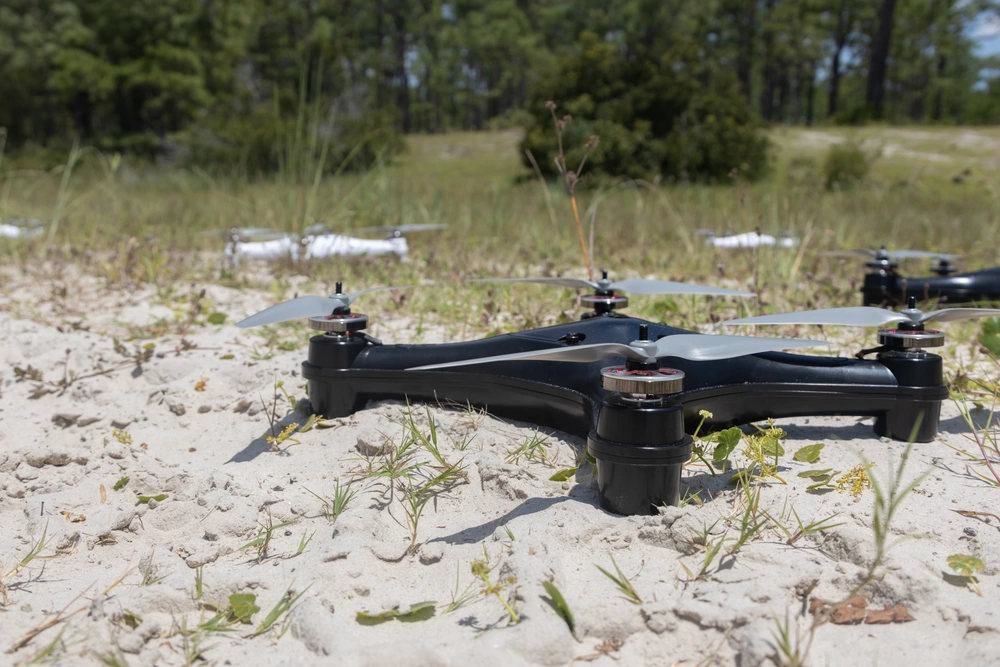
Previously authorized drone models remain usable and can continue to be sold, but new models would be unable to obtain FCC equipment authorization required for U.S. import and sale.
The Federal Communications Commission has updated its “Covered List” to include unmanned aircraft systems (UAS) and UAS critical components produced abroad, following a national security determination delivered to the agency after a White House–convened interagency review.
The action is framed as a going-forward restriction: it does not affect the ability of consumers and operators to continue using drones they already lawfully purchased, and it does not prevent retailers from continuing to sell, import, or market drone models that have already cleared the FCC’s equipment authorization process. Instead, the restrictions attach to new device models seeking future authorization.
Why the FCC is acting now
In its fact sheet, the FCC links the decision to a broader push to “restore American airspace sovereignty” as the U.S. prepares to host major mass-gathering events, including the 2026 FIFA World Cup, America250 celebrations, and the 2028 Los Angeles Olympics. The FCC also ties the policy rationale to industrial-base concerns, arguing that reliance on foreign-made UAS threatens national security and resilience.
The Commission’s Public Safety and Homeland Security Bureau (PSHSB) released a Public Notice stating it is adding “uncrewed aircraft systems (UAS) and UAS critical components produced in foreign countries” to the Covered List based on the interagency National Security Determination.
What “Covered List” status means in practice
The FCC’s Covered List is a supply-chain security mechanism: communications equipment and services placed on the list are deemed to pose an “unacceptable risk” to U.S. national security or to the safety and security of U.S. persons. Under existing FCC rules, “covered” equipment is prohibited from receiving FCC equipment authorization—an approval pathway most wireless devices need prior to importation, marketing, or sale in the United States.
Scope: drones plus “critical components,” with possible carve-outs
The FCC’s Public Notice emphasizes that the update covers both foreign-produced drones and foreign-produced UAS critical components, and it also adds certain communications and video surveillance equipment and services referenced in Section 1709 of the FY2025 National Defense Authorization Act.
The National Security Determination language cited by the FCC explicitly calls out a wide range of “critical components,” including data transmission devices, communications systems, flight controllers, ground control stations, navigation systems, batteries (including smart batteries), and motors—warning that foreign-produced elements could enable surveillance, data exfiltration, or disruptive operations.
The determination also contemplates exemptions: it states the equipment “should be included” on the Covered List unless the Department of Defense or the Department of Homeland Security makes a specific determination to the FCC that a given UAS, class of UAS, or UAS critical component does not pose such risks.
The change will bar FCC approvals for new models and components from major foreign drone makers, including China’s DJI and Autel, going forward.