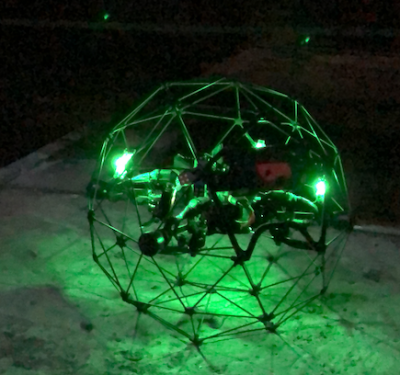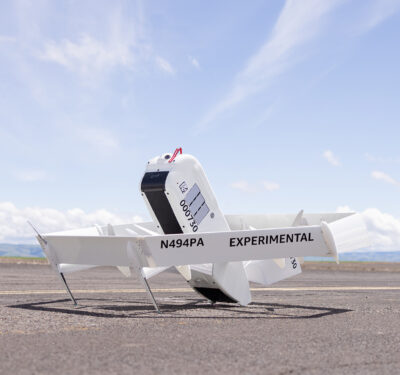

The Pentagon’s Joint Interagency Task Force 401 (JIATF 401) has made its first acquisition under the Replicator 2 initiative, awarding a contract for two Fortem DroneHunter F700 counter-UAS systems to help defend U.S. military installations and critical infrastructure from small drone threats. The systems are expected to be delivered by April.
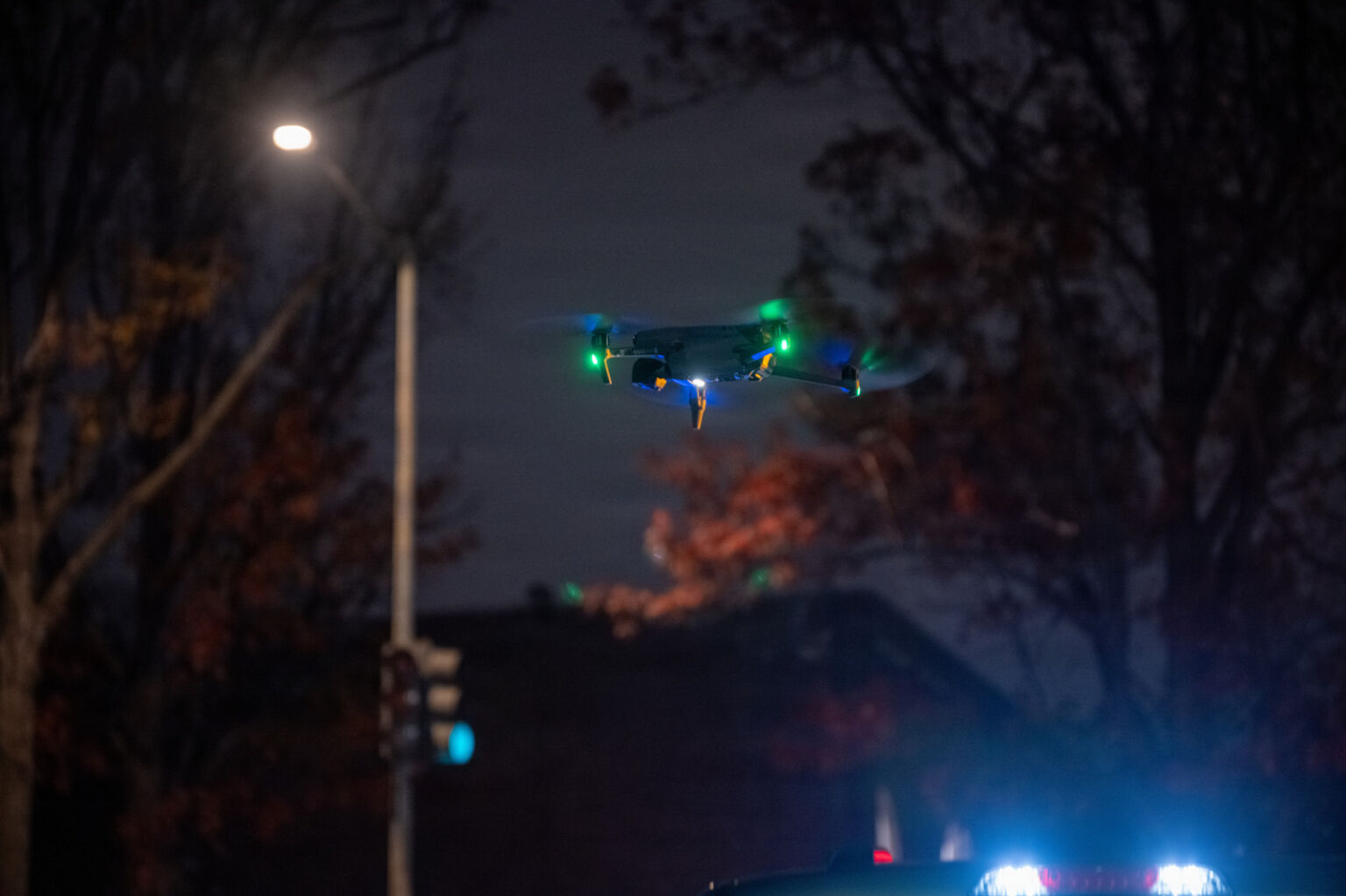
JIATF 401 announced the purchase on January 13, describing it as an early step in a broader effort to move deployable counter-drone capabilities to the field at greater speed and scale.
“We’re designed to move at the speed of relevance, cutting through red tape, consolidating resources, and engaging venture capitalists, tech startups, and nontraditional defense firms as critical partners,”
said Brig. Gen. Matt Ross, JIATF 401 director, in the announcement.
Ross added that the task force’s single measure of effectiveness is to “deliver state-of-the-art counter-UAS capabilities” to warfighters at home and abroad, calling the DroneHunter purchase “a key first step” in executing the Replicator 2 mission.
Replicator 2: from massed drones to counter-drone
The Replicator initiative, first unveiled in 2023, is designed to accelerate fielding of attritable, autonomous systems across the joint force. The initial phase, often referred to as Replicator 1, focused on deploying large numbers of small, low-cost, uncrewed systems across multiple domains. Replicator 2 shifts that emphasis to counter-small UAS—particularly the Group 1 and 2 drones that have become a defining threat in Ukraine and the Middle East and are increasingly a homeland concern.
JIATF 401 is the Defense Department’s lead organization for this second phase. Its mandate is to synchronize counter-small UAS efforts across the department, streamline testing and acquisition, and rapidly deliver joint capabilities for domestic and overseas missions.
In parallel, the task force has been working with the Defense Logistics Agency and FEMA to connect Pentagon counter-UAS solutions with state and local law enforcement, including access to a $250 million FEMA grant program dedicated to C-UAS and air domain awareness capabilities.
How DroneHunter fits the mission
In its announcement, the Defense Department describes Fortem’s DroneHunter as a reusable, AI-enabled interceptorthat uses radar and onboard autonomy to detect, track, and capture small drones in complex environments. Once a target is confirmed, DroneHunter can deploy a tethered net, snag the intruding drone, and tow it to a designated location for forensic exploitation—an approach aimed at minimizing collateral damage in dense or sensitive areas.
“This solution is ideal for use in the homeland, where the risk to civilian populations and infrastructure must be minimized,” the Pentagon release notes.
Fortem’s own statement frames the selection as a milestone for both the company and the Replicator 2 framework.
“Being chosen for the first Replicator 2 purchase reinforces that DroneHunter is not a concept, pilot, or experiment – it’s a deployable, AI-driven interceptor that’s already protecting critical assets and teams around the world in environments where safety, precision, and restraint matter most,”
said Fortem CEO Jon Gruen.
Fortem says DroneHunter integrates with its broader SkyDome Family of Systems, combining TrueView radar sensors, command-and-control software and autonomous interceptors. The company also notes that its technology has been validated in operational deployments in Ukraine, the Middle East and East Asia, and that it is currently the only firm authorized to field a drone-on-drone kinetic interceptor in U.S. airspace.
First purchase, signaling function
The initial Replicator 2 buy is small—just two DroneHunter F700 systems—but it carries signaling weight. As Fortem points out, the Replicator 2 construct is designed to move from an initial operational decision to broader deployment without restarting the acquisition process, making early selections de facto reference points for future tasking.
“Replicator 2 is explicitly designed to move from an initial operational decision to broader deployment without restarting the acquisition process,” Gruen said. “Being selected first establishes a clear pathway for scaling proven capabilities as needs evolve.”
For JIATF 401, DroneHunter is one layer in a larger, system-of-systems approach. Ross and other officials have repeatedly emphasized that there is no single “silver bullet” for the small-UAS problem; the task force is instead building a layered defense that integrates multiple sensors, kinetic and non-kinetic effectors, and battle-management tools into a common architecture.
“This is one example that demonstrates how JIATF 401 has taken counter-drone efforts from a community of interest to a community of action,” Ross said in the Pentagon release. “The task force is focused on a whole-of-government approach, working with interagency partners and industry to build a layered defense against the full spectrum of small UAS threats to the homeland.”