
New Section 232 tariffs of up to 100% target Chinese-made drones and components, with reduced rates for allies.
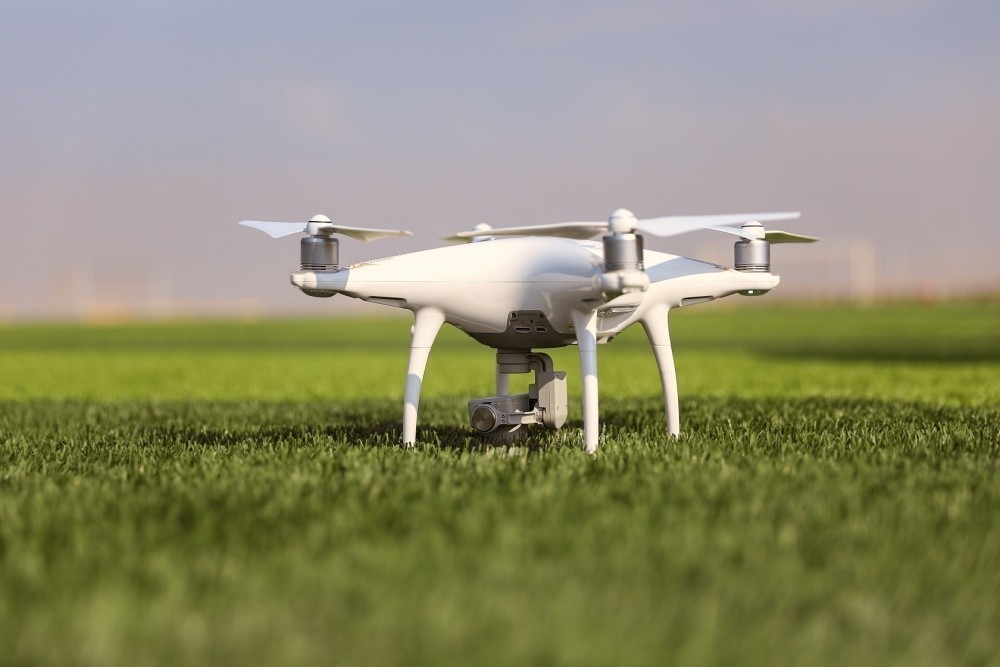
President Trump has ordered new tariffs on imported drones and drone components, with rates reaching 100% on systems the administration considers sensitive for national security. The action, announced Aug. 13 and invoking Section 232 of the Trade Expansion Act of 1962, is aimed at reducing US dependence on Chinese-made unmanned aircraft and forcing a shift toward domestic and allied suppliers.
Under the order, drones weighing more than 25 kilograms or equipped with thermal imaging capability will face a 100% tariff. Drones under that weight threshold will face a 25% tariff. Most of the new duties take effect Sept. 3. Commerce Secretary Howard Lutnick’s investigation found that import penetration from foreign UAS producers is substantial and that the country is “too reliant on foreign sources of UAS and UAS components,” according to the proclamation.
Several US allies will see reduced rates: drones and components from the European Union, Japan, Liechtenstein, South Korea, Switzerland and Taiwan will carry a 15% tariff, while UK-origin technology will face a 10% levy. The administration separately accused more than 40 countries of helping China circumvent US tariffs by routing products through third-party nations.
The order follows a December Federal Communications Commission action that halted wireless authorization approvals for Chinese drones, effectively barring new import approvals while previously authorized models remain on the market. Craig Singleton, an expert on US-China technology competition at the Foundation for Defense of Democracies, said the tariffs close a gap left by that FCC action, telling the Financial Times it’s “designed to stop supply-chain laundering,” referring to the practice of importing Chinese components for domestic assembly.
Industry Reaction and Broader Context
Joshua Steinman, a supply chain expert and former member of the Trump administration’s National Security Council, said it is “critical that America be able to produce its own unmanned capabilities” without Chinese-sourced parts or raw materials. Clayton Swope, a senior fellow at the Center for Strategic and International Studies, told AFP the tariffs are primarily aimed at industrial and commercial drones rather than hobbyist systems, though smaller consumer drones will also be affected.
The order also authorizes the Commerce Department to establish an onshoring program supporting new US investment in drone manufacturing and components. It comes roughly six weeks before Chinese President Xi Jinping is expected to visit Washington for a summit with Trump, and follows Chinese restrictions imposed earlier this month on drone exports to the US, along with the blacklisting of six companies, in response to earlier US trade actions.
Chinese drone maker DJI, which industry estimates put at more than two-thirds of the global drone market, has been on a US Department of Defense list of companies linked to the Chinese military since 2022. DJI has disputed that designation.