
Golden Dome promises a layered shield against missiles and drones, but its real test may be PNT. If the U.S. can harden timing and navigation for Metro Golden Domes, it could also unlock safer, more resilient UAS and C-UAS operations at home.
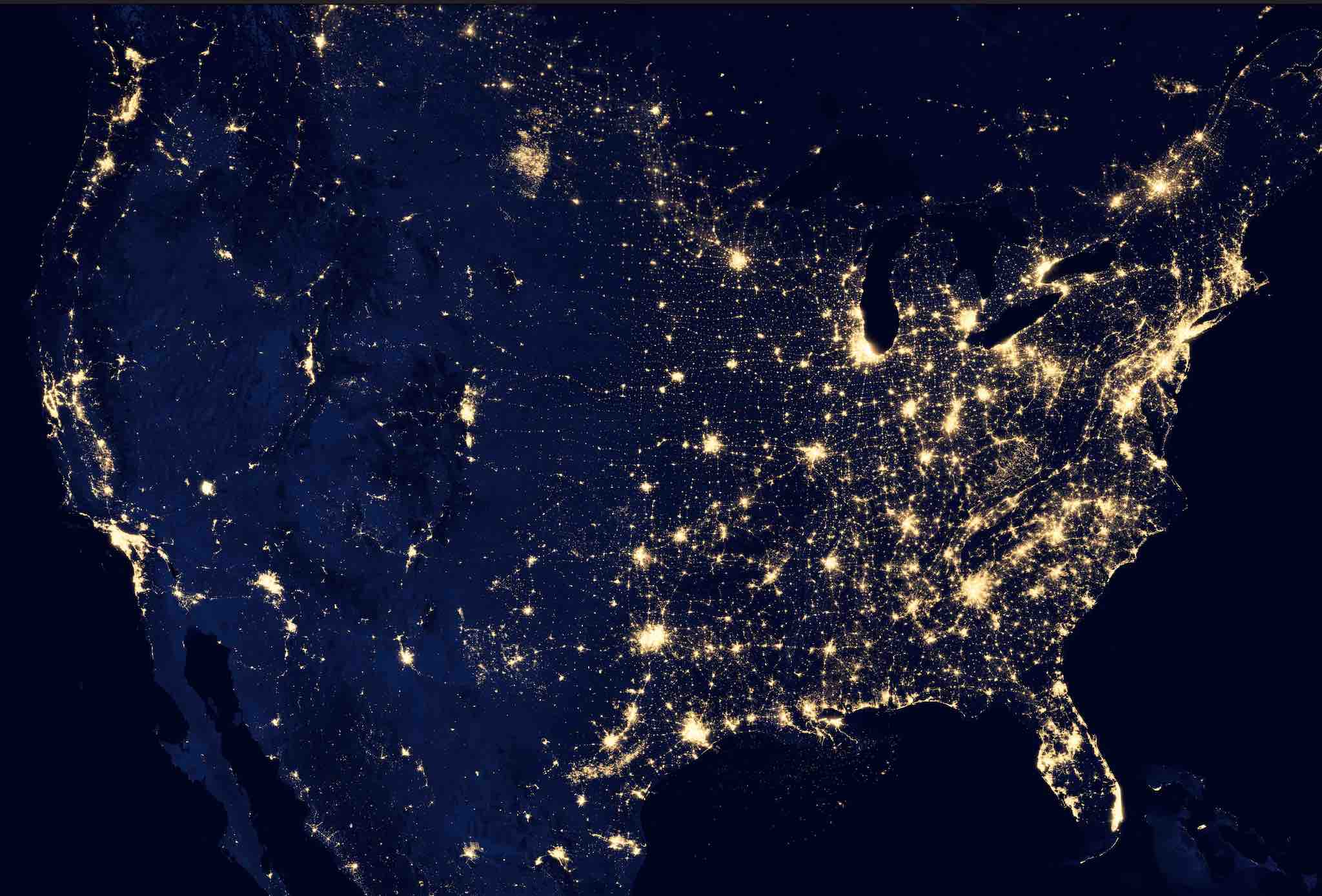
In a recent paper, the National Security Space Association (NSSA) outlined how resilient positioning, navigation, and timing (PNT) was essential to the success of the President’s Golden Dome initiative. Of particular interest to readers of Inside Unmanned Systems is the paper’s discussion of “Metro Golden Dome,” a new descriptor for Counter-UAS systems to protect metropolitan areas and critical infrastructure.
Golden Dome and Metro Golden Dome
In the popular imagination Golden Dome is a virtual shield of systems protecting the U.S. from intercontinental ballistic missiles, hypersonic drones and the like. Much less well known is the project’s “inner, limited area, layer” to protect against UAS launched from American soil or just beyond our borders.
These Metro Golden Domes will be, according to many experts, much easier and less expensive to create than the system being designed to protect the whole county. Technologies to support these smaller scale systems are already commercially available, many from multiple vendors. While some integration of components maybe required, protecting military bases and cities from drone attacks will not require the kinds of technological advances needed to “hit a bullet with a bullet” and reliably destroy incoming hypersonic missiles.
A Single Point of Failure
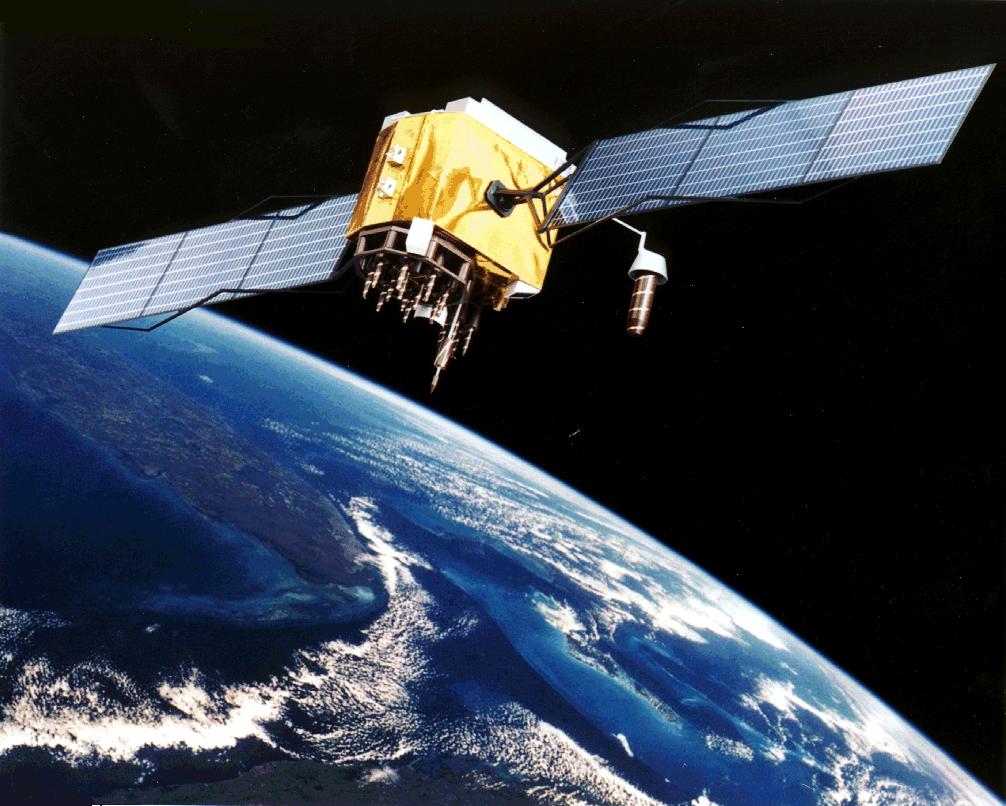
One challenge, though, must be overcome for the nation’s Golden Dome efforts, regardless of scale, to succeed – America’s over-reliance on GPS.
Concerns about GPS’ weak and easily imitated signals are not news to the UAS community. Conflicts in Ukraine, the Middle East, and elsewhere have demonstrated the fragility of operations that depend solely on GPS and other Global Navigation Satellite Systems (GNSS).
The NSSA paper highlights three specific areas where more resilient, less deniable and spoofable, PNT is required for Golden Dome success:
- ISR (Intelligence, Surveillance, and Reconnaissance) and Sensor Platforms – As outlined in the paper “Detecting and tracking adversarial systems in-flight can be challenging, and PNT solutions are critical to determining the “where” and “when” vital in ensuring effective intercept information in all phases of potential adversarial attacks.”
- Precision-Guided Interceptors – Whether it is a 100 foot-long Russian ICBM, or a 2 foot-wide drone with ten pounds of explosive, defensive systems have to strike difficult to hit targets. Precise timing is also essential to synchronizing various intercept system components.
- Command and Control Systems – Communication systems rely on precise timing for multiplex operations. IT systems need timing for synchronization and data tagging. PNT is essential for common operational pictures and other situational awareness tools.
NSSA’s paper concludes with several recommendations for General Michael Guetlein, Space Force’s leader of Golden Dome. They include clearly articulating requirements, establishing an organization and leader for Golden Dome PNT, developing user equipment early, and establishment of a “PNT improvement budget” with the goal of “deploying improvements within the next three years.”
The paper’s conclusion also pleads for a focus on integration, highlighting the interconnectedness of all components, and their reliance on PNT as an invisible tech utility:
“Integration across systems that Golden Dome is dependent upon, systems that protect Golden Dome, and Golden Dome specific systems are essential to avoid electronic fratricide, system interference, and degraded system performance. Each of these systems is dependent upon common PNT frequencies, signals, and enablers that Golden Dome will also seek to defeat in an adversary system. The adversary will also be employing counter-PNT systems, and those adversary systems must be thwarted.”
Supporting Everyday UAS and C-UAS Operations
Establishing resilient PNT to support Golden Dome could also greatly benefit America’s commercial and public safety UAS operations, and the ability of security forces to defend against malicious use. Applications provided or supported could include:
- Resilient Navigation – Reliable, robust navigation is, of course, essential for safe and effective operation of autonomous platforms. The more safety critical the application, the higher the resilience required. For example Prof. Todd Humphreys at the University of Texas Radionavigation Laboratory has postulated that Advanced Air Mobility platforms will require six layers of navigation capability, half of which are radio frequency based. A national core resilient PNT architecture could provide one or more of those sources. These could include combinations of signal strength, frequency diversity, authentication, and encryption that would make interference extraordinarily difficult.
- IFF & COP – Identification Friend or Foe (IFF) and Common Operational Pictures (COPs) are essential to operations in congested environments and near sensitive areas. Advanced PNT systems could validate platform identification, destination, payload, and other data while also providing reliable location information to traffic and security management systems.
- Communications – Some PNT systems are able to support one-way or two-way data transfer in addition to supporting navigation. Even at low data rates, the ability to ensure delivery of messages can be critical, especially in emergencies.
- Geofencing – The architecture could also support static and dynamic geofencing. The ability to establish and disestablish no-go zones would benefit safety and security while allowing more efficient transits when zones were not active.
The benefits of a national core resilient PNT architecture to UAS and C-UAS operations, as well as a host of other transportation and infrastructure applications, are clear. Senior administration officials and policy documents have called for systems to complement and backup GPS periodically for the last two decades. In 2018 Congress enacted legislation requiring the Department of Transportation to establish a terrestrial timing system to help backup GPS.
Yet highly diffused responsibility for civil PNT within the administration and the absence of a broad public demand for solutions has meant little progress. At the same time, America’s principal adversary, China, has established a highly effective and resilient PNT architecture that includes multiple satellite constellations, terrestrial broadcast, and hundreds of synchronized timing stations connected by 20,000 kilometers of fiber.
Golden Dome may provide the opportunity to overcome America’s bureaucratic challenge with PNT. While the Department of Defense is not responsible, nor does it budget for, systems to benefit and protect domestic infrastructure and applications, a defense capability can also support civil users. GPS is the most prominent example. Built to “put five bombs in the same hole,” over the next forty plus years it provided far more civil and economic benefit than any other new technology.
If Golden Dome solves its resilient PNT needs, let’s hope it also benefits civil users, including enabling UAS and C-UAS operations to move to the next level of efficiency, safety and security.