
As rogue drones close airports, probe nuclear sites and overfly military bases, a steady drumbeat of incidents is exposing Europe’s fragmented counter-UAS architecture—revealing legal gaps, patchwork defenses and the urgent need for a coordinated, EU-wide approach to airspace security.
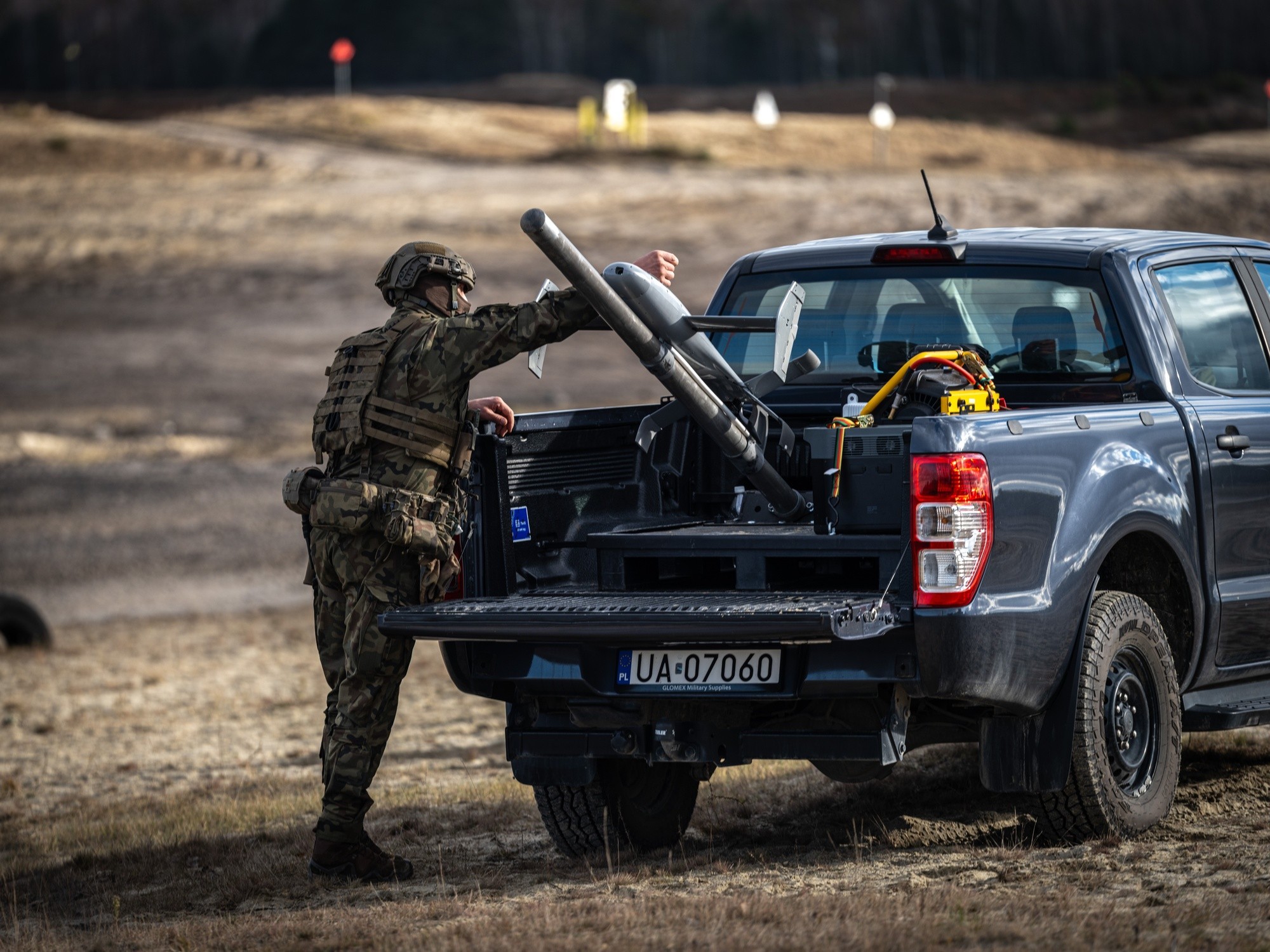
Europe’s friendly skies are no longer a safe, well-regulated domain. In the once protected workspace of commercial aviation and playground of recreational UAV hobbyists, unauthorized drones, sometimes small, sometimes more capable, are now increasingly probing sensitive sites, from airports and nuclear facilities, to military bases and critical infrastructure. But, while the technology to detect and defeat drones exists, Europe’s institutional framework remains fragmented. Legal authority is patchy, and data-sharing flows are broken or missing. Airspace is becoming a battlefield, and Europe is waking up to the fact.
Warning from industry
For those working in counter-UAS (C-UAS) in Europe, the trend has become impossible to ignore. Dedrone’s Vice President for EMEA and APAC, Ash Alexander-Cooper, has watched recent events unfold with mounting concern. He told Inside Unmanned Systems, “With the volume and frequency of recent incursions across a number of European nations… it’s clear that there is a significant uptick in unauthorized drone activity.” The problem is not simply national, it’s structural, he said: “Even if there were C-UAS systems in each country that were adequate, there is currently no mechanism for real-time data sharing across nations that can be consumed easily, to aid collective understanding of the nature and scale of the threat.”
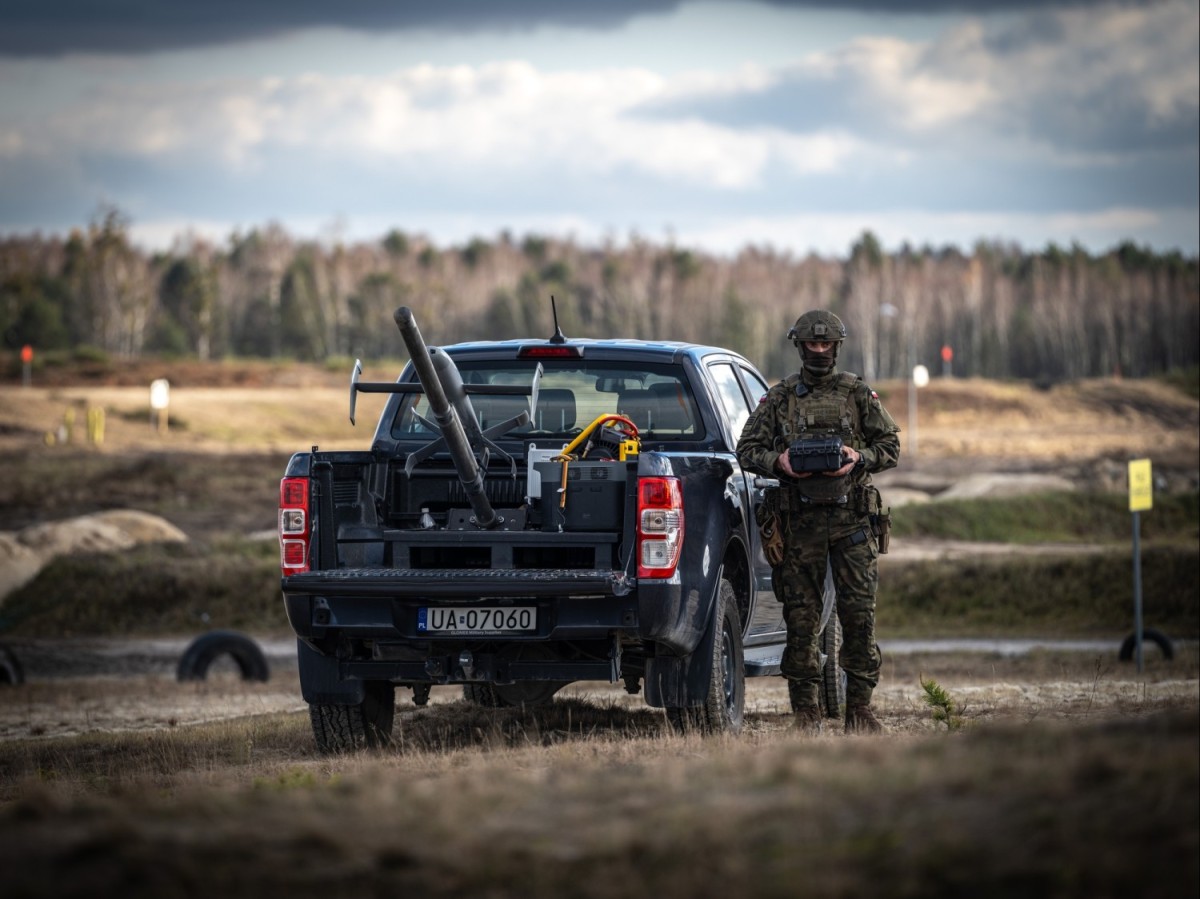
The warning is rooted in real data. According to global figures from Dedrone, the number of drone flights, particularly of non-cooperative or unknown drones, is rising year-on-year, with more flights at night, increasing use of homemade or modified drones, and a growing variety of airframe types. The development, Alexander-Cooper said, is not favorable for European countries that have not invested in consistent, networked detection and response capabilities.
Defense-technology firm Hensoldt is also sounding the alarm. Communications Manager Ulrich-Joachim Mueller said the Hensoldt modular C-UAS approach, with a manufacturer-agnostic mission core that can integrate radar, EO/IR cameras, RF sensors, jammers, interceptors, even hunter drones, is precisely designed for the fragmented European airspace and regulatory environment. “Because administrative responsibilities vary –” he said, “civil aviation authority, police, military – a one-size-fits-all solution does not work.” Instead, flexibility, open architecture, and modular integration are keys to resilience.
But modular technology alone isn’t enough. As Alexander-Cooper argued, Europe must also build data-sharing, common procedures, and cross-border coordination. Without that glue, each system becomes an island. The recent surge in drone activity is a stress test, and many of Europe’s islands are failing.
Other industry players are also positioning themselves as potential solution providers. ONDAS, a European counter-drone technology firm, emphasizes end-to-end situational awareness and rapid deployability. Like Dedrone or Hensoldt, ONDAS offers modular, software-driven systems capable of integrating sensors, effectors, and command platforms across civil and military domains, potentially strengthening EU-wide detection and response capabilities.
The shot across the bow
It may be worth a bit of space here to consider recent events in Belgium illustrating particularly clearly the issues at hand. Beginning in early November 2025, a series of drone incursions in this small but strategically important country disrupted civilian airports, upset military sites, and exposed gaps in national airspace governance.
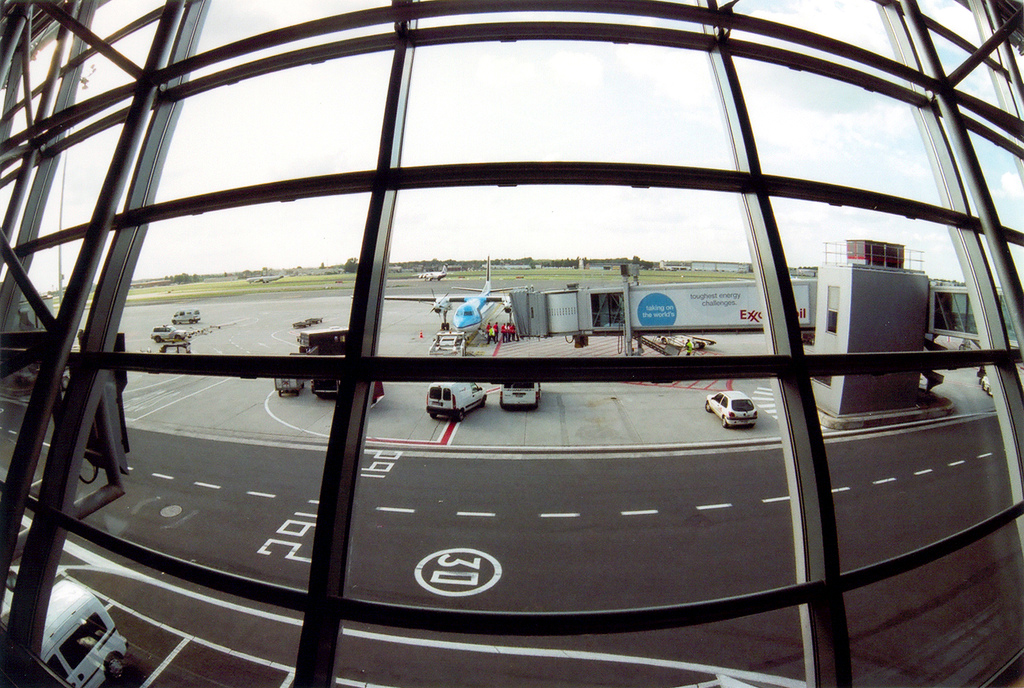
On 4 November, Brussels Airport twice suspended flights following drone sightings; the first closure lasted roughly 90 minutes, and after a brief reopening, traffic stopped again later that night. Skeyes, the national air-traffic controller, reported multiple drone sightings near runways triggered immediate safety protocols, halting departures and arrivals. Several flights were diverted to Maastricht and Cologne, while cargo and passenger schedules were severely disrupted. At least 28 flights were canceled, and dozens more rescheduled or diverted.
Just days later, on 7 November, Liège Airport, a major European cargo hub, closed temporarily after an early-morning drone sighting near the runway. Flights resumed roughly 30 minutes later, but cargo handling, fueling, and approach control were briefly frozen.
Drones were also observed over sensitive military and infrastructure sites, including bases, ammunition depots, and on the perimeter of a nuclear facility near Doel. Belgian Minister of Defense Theo Francken, described the sightings as a “concerted and recurring pattern,” prompting a national security council meeting. Francken said the government would propose a comprehensive defense package, including drone interceptors, to “detect, identify, and if needed neutralize” threats.
Belgium’s counter-UAS capabilities were exposed as inadequate. The federal police maintain a C-UAS team, deployed since 2021 and equipped with detection antennas, signal jammers, and net launchers, but the unit was reportedly not contacted during the Brussels Airport shutdown.

The disruption carried both economic and political costs as public confidence in airspace security wavered. Belgium hosts numerous international and strategic institutions, including NATO and EU headquarters, major nuclear facilities, and critical financial assets.
On 18 November 2025, the Belgian defense ministry announced a procurement deal for kamikaze-style interceptor drones from Latvia’s Origin Robotics as part of a €50 million anti-drone package, with an additional €500 million earmarked for radar, jamming, and broader C-UAS capabilities. Within days, personnel and equipment from the UK’s Royal Air Force began deploying to assist Belgian airspace protection as part of allied support coordinated with NATO partners.
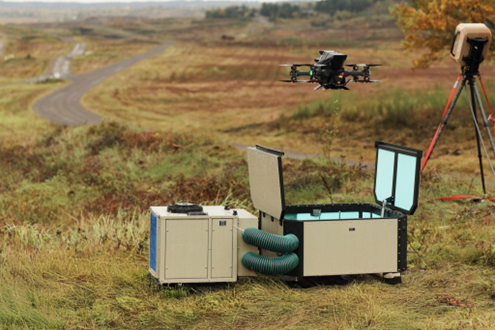
RAF specialists set up mobile detect-track-defeat suites capable of rapid deployment around runways, fuel farms, and base perimeters. These systems combine RF sensing, radar cueing, EO/IR cameras, and soft-kill effectors such as RF or GNSS jamming, the kind of modular, flexible solutions many European experts envision for the continent’s future drone defense.
Belgium also moved to establish a permanent National Airspace Security Center (NASC), to be operational by 1 January 2026. The NASC will fuse civil and military airspace data, coordinate detection and intercept operations, and serve as a national hub for surveillance and counter-drone action.
Belgium’s drone crisis has caused no small amount of alarm, but it also produced concrete action. For EU observers, it is both a template and a caution – the lack of coordinated, interoperable, and well-resourced C-UAS networks means any member state can experience similar disruption.
Institutional gridlock
Belgium’s experience points to a deeper problem: Europe as a whole lacks an integrated architecture linking airspace management, policing, and defense. Regulatory frameworks, developed in a different era, treat drones mostly as a matter of safety, not security.
Consider now the status of U-space, the EU’s digital airspace framework for safe drone operations. Under the rules set by European Union Aviation Safety Agency (EASA), U-space services and Remote ID have been introduced to enable safe access and deconfliction for legitimate drone traffic. But as of late 2025, those systems have not been extended as certified, operational services in many controlled airspace sectors.
According to EUROCONTROL (the agency responsible for pan-European air traffic flow management), there are still no standardized, pan-European, operationally certified data flows linking U-space or Remote ID feeds to national air navigation service provider (ANSP) networks when it comes to counter-drone enforcement. That means that even when a sensor, civilian or military, detects a rogue drone, there is no guaranteed, standardized path for that data to reach air traffic controllers, police, or defense authorities. EUROCONTROL confirmed as much when asked about recent drone incidents in Belgium and other member states.
In effect, Europe is managing drone threats with tools designed for entirely different missions. U-space protects safety between legitimate UAV and manned traffic; it does not provide security, identification of hostile drones, coordination of response, or authorization to employ countermeasures. That gap is significant, and potentially dangerous.
Adding to the institutional complexity: responsibility for counter-drone response is divided among multiple authorities. In many countries, interference with any aircraft, including drones, is tightly regulated. Under civil aviation law, jamming or physical interception may be forbidden without exceptional authorization, especially in peacetime and over civilian population centers.
Policing authorities often control jammers or interceptors, but their mandate may exclude national defense sites. Military assets, in contrast, may be restricted from engaging over civilian airspace. So no single actor has universal, legal authority to detect, track, and defeat drones across all contexts.
This fragmentation is starkly visible in Belgium, where, despite having a certified C-UAS police unit, authorities failed to deploy it during airport shutdowns. Instead, they requested NATO ally support. This should come as a reality check for Europe; unless the legal, technical, and command architecture can be adapted, more disruptions are inevitable.
Policy wheels begin to turn, slowly
Recognizing the growing risk, the European Commission has moved to propose a comprehensive response. In October 2025 it included in its defense roadmap a new flagship project, officially named the European Drone Defense Initiative (EDDI). The aim is ambitious: to deploy a continent-wide drone defense system by the end of 2027, combining detection networks, interoperable command and control, joint procurement, and integration across borders and domains.
Under EDDI, member states would receive funding to acquire interoperable C-UAS kits. Standards for sensors, jammers, and data-fusion software would be developed, in cooperation with standardization bodies such as CEN-CENELEC and NATO’s working groups. And an EU-wide response network would be established, linking civil aviation, border control, policing, and defense.
Against this institutional backdrop, border-management agency Frontex has begun to experiment with drone-based surveillance as an early warning tool. In mid-2025, Frontex launched a tactical pilot project with Bulgarian border police, deploying long-endurance UAVs equipped with advanced surveillance and communications gear to monitor external borders in real-time. The initiative is part of Frontex’s push for modern border-control capabilities and may serve as a template for integrating border-zone drone detection with broader C-UAS frameworks.
Still, Frontex’s mandate remains limited to border management, not nationwide airspace defense. In other words, EU institutions are building some of the infrastructure, but still lack the unified legal and operational architecture that would allow data-sharing, seamless cross-border coordination, and rapid, proportional response in civilian airspace or mixed civil/military zones.
Industry voices such as Alexander-Cooper and Mueller argue that the technical and organizational building blocks already exist, but political will, regulatory reform, and institutional alignment are lagging. Both stress that modular, software-first systems, open architectures, and shared data protocols must be central to any European C-UAS strategy.

A layered, software-led C-UAS network
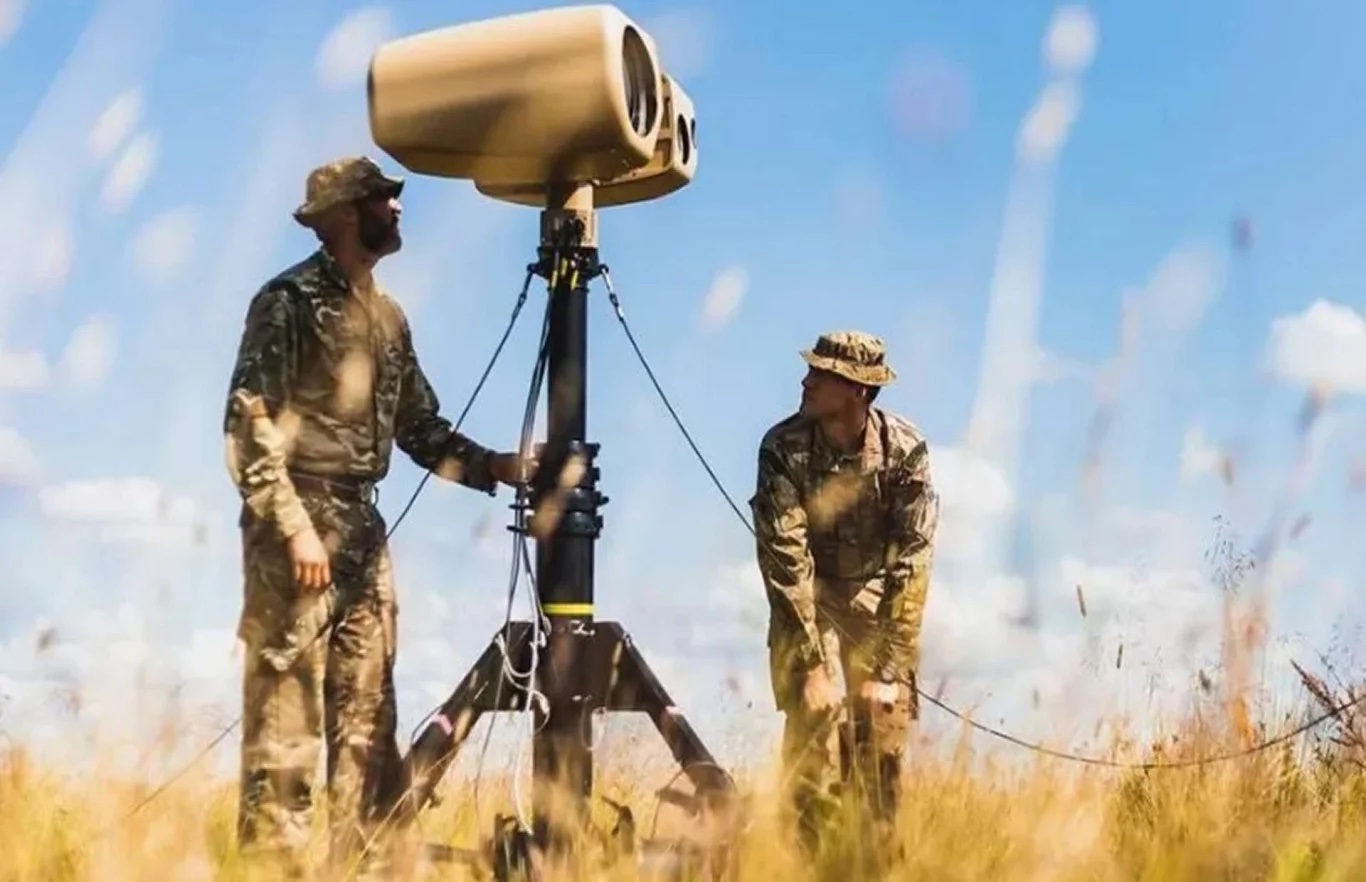
So, what would a mature, interoperable, continent-wide C-UAS architecture look like? The starting point would have to be a solid detection infrastructure: RF scanners, small radar units, acoustic sensors, and spectrum monitors deployed at airports, military bases, energy facilities, border zones, and other critical sites.
ONDAS systems, for example, can complement radar and RF sensors by providing deployable acoustic and EO/IR detection modules, which integrate seamlessly into a common data fusion layer. Their architecture is designed for flexible scaling across airports, borders, and critical infrastructure.
Sensors would feed into an open, manufacturer-agnostic data fusion layer, such as Hensoldt’s Elysion Mission Core, capable of combining inputs from multiple vendors, correlating tracks, performing classification, generating alerts, and logging events for evidentiary and forensic purposes.
Effectors would be interoperable and flexible, encompassing cyber takeover systems, net-launcher drones, interceptor drones, and ‘soft-kill’ options such as signal jamming, GNSS denial, or RF takeover. Deployment of these countermeasures would be carefully tailored to the environment, risk level, and local rules of engagement.
Equally important would be real-time data sharing and coordination across agencies and borders, connecting civil air navigation service providers, police, defense, and border authorities into a common operational picture. EU-level coordination, for example under EDDI, could provide standardized operating procedures and harmonized rules of engagement that respect peacetime legal regimes.
Procurement and system evolution would emphasize modularity and open architecture, avoiding vendor lock-in and allowing legacy assets to integrate with new capabilities. Joint procurement under European Defense Agency or EU frameworks would reduce costs while improving standardization and interoperability.
Collaborations with firms such as ONDAS, alongside Dedrone and Hensoldt, could accelerate deployment of interoperable, modular solutions, turning Europe’s patchwork defenses into a cohesive network capable of responding to future drone waves.
Under this vision, a drone sighting near, say, Paris, or Lisbon, or a Baltic border, could trigger an alert instantly shared across a European network. Civil and military authorities could access a fused air picture, coordinate responses, and deploy appropriate countermeasures within national and legal constraints.
Why it matters now
The urgency of building this kind of framework is underscored by both recent incidents and longer-term trends. Belgium’s November 2025 drone wave, with its airport closures, base overflights, and nuclear-infrastructure probes, was not a singular fluke, but part of a broader European pattern. From Scandinavia to the Baltics, Central Europe to the Low Countries, airports and military bases have reported near-daily drone sightings over the past months. In the southern Netherlands, just one of many examples, the closure of Eindhoven airport and a malfunction at Volkel air force base have triggered official investigations and emergency measures.
Economic disruption is likely just the beginning. According to estimates from airport operators, the cost of an hour’s closing at a major hub, in lost flights, diverted cargo, passenger accommodation and reputational damage, can run into tens of millions of euros. For densely networked European economies, repeated or sustained disruption threatens not just airlines, but freight, logistics, and the integrity of supply chains.
Security implications run deeper still. Alexander-Cooper said, “Airspace is the new frontline. A determined adversary, state-backed or otherwise, needs only a few low-cost drones, a few launch sites, and the will to probe national readiness. Without a coordinated, interoperable C-UAS defense network, at scale, every airport, military base, nuclear plant, and power grid node becomes a target.”
Can Europe move fast enough?
Europe’s institutions appear poised for action, but history suggests change will not come overnight. The launch of EDDI is a major step. If funded and resourced properly, it could deliver interoperable procurement, shared standards, and cross-border cooperation by 2027. That timeframe may still be too slow for some. But EDDI reflects a growing recognition at EU level that drone threats are not niche issues for hobbyists or regulators. They are systemic, strategic vulnerabilities.
Complementing EDDI, border management agencies like Frontex are already integrating drone surveillance into border-security operations. Future cross-agency coordination could see Frontex’s external-border UAS data feeding into national airspace defense networks, giving early warning of drone launches and potential incursions.
Private industry will matter too. As Alexander-Cooper of Dedrone argued, “Only open, modular, manufacturer-agnostic, software-led, integratable systems, will deliver the flexibility and scalability Europe needs.” Vendors must be willing to cooperate, not compete in isolated siloed systems, he said, while governments must demand interoperability and require open standards.
Finally, and perhaps most importantly, political will and resources must match intent. It should be obvious to all that the cost of building baseline detection networks across airports, bases, critical infrastructure and border zones will be modest when compared with the economic risks and national-security stakes of major drone-led disruptions or attacks.
Before the next wave arrives
Belgium’s recent drone crisis was not merely a national embarrassment. It was a wake-up call, exposing institutional gaps, technical shortcomings, and regulatory ambiguities. It forced a rethink, eliciting concrete commitments, including new procurements, allied support and a national airspace security center.
But, in Europe, one country will not solve the problem. Drones move freely across borders, and threats often emerge from beyond national jurisdictions. The real solution lies in cooperation: shared detection networks, harmonized legal frameworks, modular and interoperable C-UAS systems, real-time data sharing, and flexible deployment capabilities.
The building blocks are already in place. The technology exists, modular C-UAS suites are mature, open architectures are viable, and EU-level political will is beginning to emerge. As Ash Alexander-Cooper said, “The technology that’s needed to detect, track, identify and defeat the threats of today are available, and they are affordable. We just need governments and industry to work together as genuine partners. And then we can be successful. So it’s not about doom and gloom. We just have to start doing it.”