
The new effort will map gaps across NATO and non-NATO standards and certification frameworks and propose a path for tighter alignment with external standards bodies—an approach that fits a wider European push to coordinate capability development and reduce fragmentation.
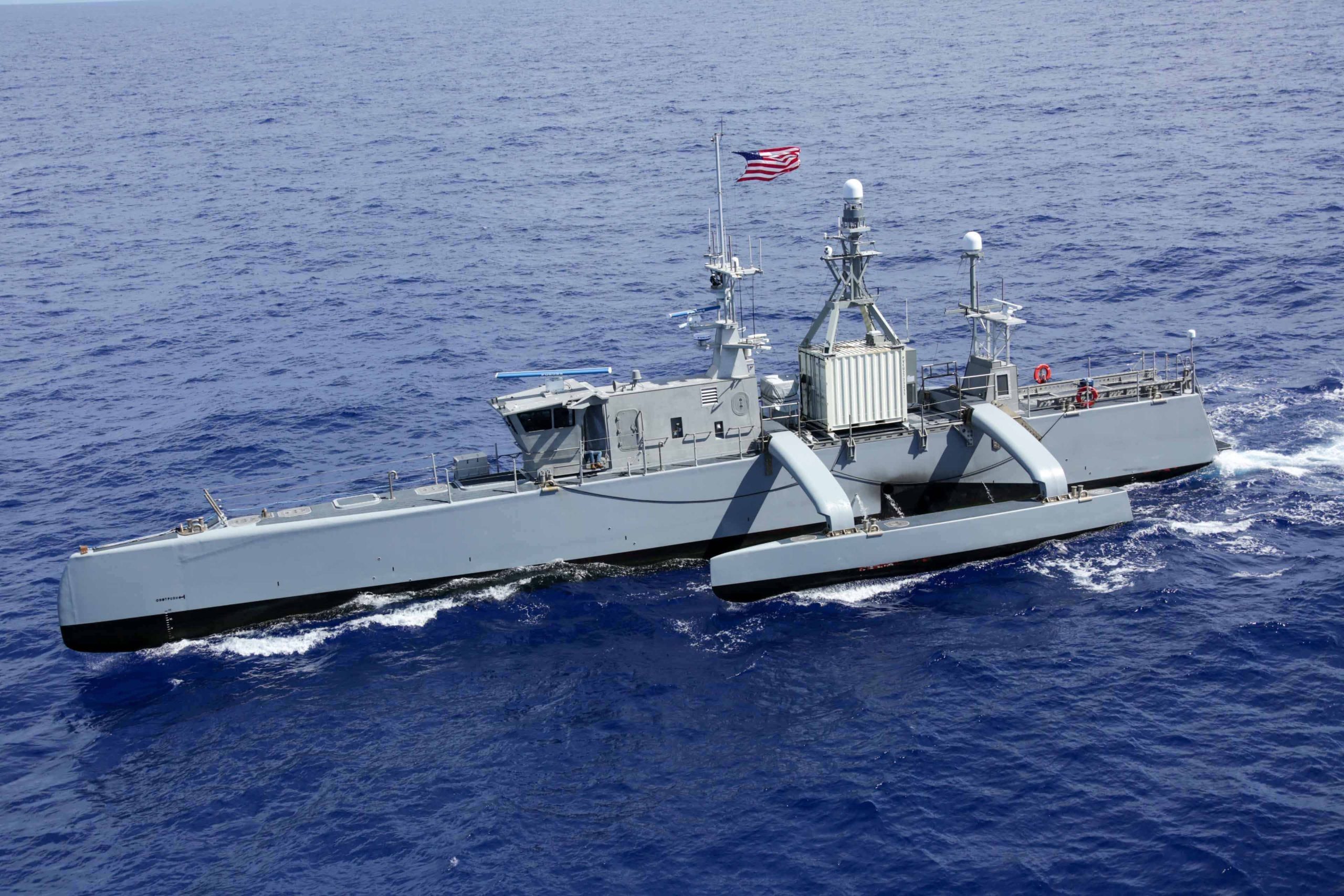
INTRACOM DEFENSE (IDE) has been awarded a new project by NATO’s Accelerating Interoperability and Standardization (AIS) Fund focused on Unmanned Surface Vehicles (USV) Standardization: Current Status and Future Outlook. IDE will serve as the implementing agent and prime contractor, partnering with DEFENCE STANDARDIZATION ADVICE P.C. (DEFSTAND) and ASTM International.
According to the project description, the aim is to accelerate USV standardization by identifying current gaps and providing guidelines and recommendations to NATO to steer future standardization activity. The work will analyze relevant NATO and non-NATO standards and certification frameworks, and will recommend approaches for collaboration with external Standards Developing Organizations (SDOs) and industry.
In a statement following the award, IDE CEO Georgios Troullinos said it was “a great honor” for IDE to be selected as prime contractor for a project in a “technological sector of high strategic importance worldwide,” noting that IDE had developed what he described as Greece’s first USV in 2019 in collaboration with other Greek companies.
Why it matters for unmanned systems
For the USV ecosystem, standardization is not a paperwork exercise. It directly affects interoperability, qualification pathways, and the speed at which coalition users can field and sustain mixed fleets. In practical terms, the work NATO is funding here is about reducing friction in three areas that repeatedly slow adoption of unmanned maritime systems:
- Interoperability: consistent interfaces and definitions for autonomy functions, C2, mission planning, and payload integration
- Certification and assurance: shared expectations for safety, cyber posture, and evidence artifacts
- Procurement scale: the ability to buy, integrate, and sustain systems across nations without re-solving the same integration problem every time
The AIS Fund award also lands in a broader European policy environment that is increasingly explicit about the need to coordinate defense capability development and avoid wasteful fragmentation. The Munich Security Report 2026 argues that, despite repeated pledges to spend “better, together, and European,” procurement remains largely national and Europe continues to miss its long-standing target of spending 35 percent of procurement budgets jointly, forfeiting economies of scale. The same section warns that rising budgets risk fueling industrial nationalism that deepens fragmentation and inflates costs unless capability planning, procurement, and development are better coordinated.
The signal: standards as a readiness tool, not a compliance add-on
NATO is treating standardization as an accelerator for fielding and scaling; not a “later” administrative step. That aligns with the Munich report’s call for rapid agreement on shared capability priorities and coordinated measures to counter hybrid pressure, particularly where Europe remains dependent on US capabilities.
In unmanned maritime systems, those dependencies often show up as integration burdens: proprietary control stacks, non-portable autonomy modules, uneven cyber baselines, and certification processes that don’t travel well across national boundaries. If this project produces a credible map of standardization gaps and a workable set of guidelines NATO can actually steer with, it could become one of the enabling moves that makes coalition USV programs less bespoke—and more repeatable.