
American Robotics’ Optimus platform joins the DCMA Blue UAS Cleared List, confirming NDAA-compliant supply chain and 24/7 autonomous operations for defense and critical-infrastructure users.
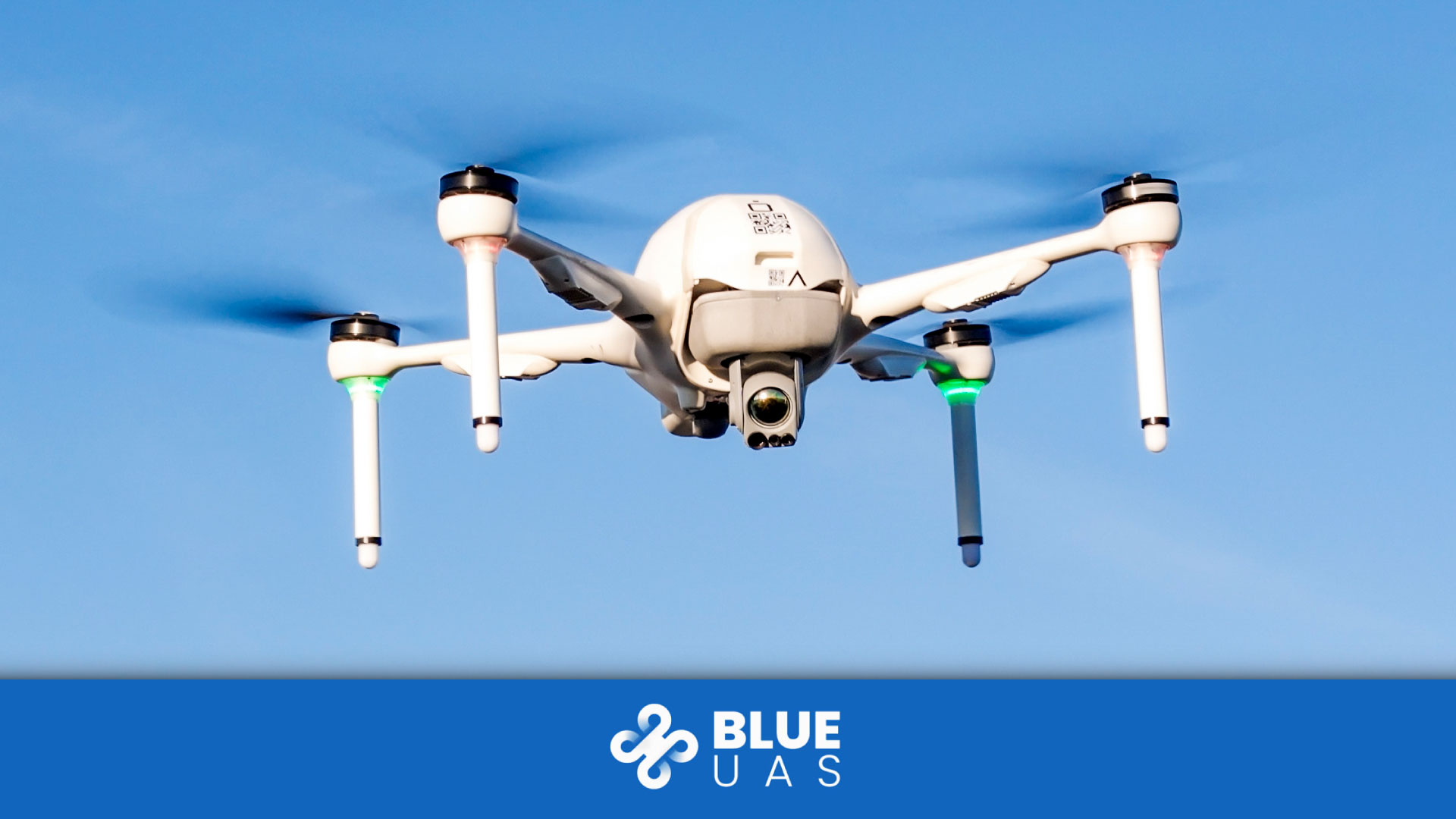
Ondas Inc. has secured a key federal approval for its Optimus autonomous drone, announcing that the system has been added to the Defense Contract Management Agency’s (DCMA) Blue UAS Cleared List, the Pentagon’s directory of approved, secure, NDAA-compliant commercial UAS and components.
The listing effectively makes Optimus a pre-vetted option for U.S. defense and government buyers. Blue-listed systems are assessed against requirements for cybersecurity, supply-chain integrity and operational reliability; platforms that pass can be procured more quickly because those checks do not have to be repeated inside each individual program.
According to Ondas, the DCMA Blue UAS Cleared List builds on the former Defense Innovation Unit (DIU) Blue UAS Cleared List, consolidating trusted small UAS into a single rapid-acquisition marketplace. For agencies wrestling with both NDAA restrictions and shifting federal guidance on foreign-made drones, the idea is to cut time and legal risk out of procurement while steering demand toward vetted domestic and allied systems.
“This Blue List designation marks an important milestone for Ondas and American Robotics,” said Eric Brock, chairman and CEO of Ondas. He added that the approval “validates the Optimus drone as a secure, reliable, and operationally proven platform for defense use.”
Drone-in-a-box for 24/7 missions
Optimus is the flagship system of Ondas’ American Robotics subsidiary, which has been developing fully autonomous “drone-in-a-box” solutions for several years. The latest Optimus configuration centers on an automated dock designed to support continuous 24/7 operations. The dock houses 11 onboard batteries and up to nine mission payloads; a built-in mechanical arm swaps payloads between sorties without human intervention.
That architecture is aimed squarely at persistent aerial security, industrial inspection and critical-infrastructure monitoring. With pre-positioned docks and a secure backhaul, operators can launch, recover, recharge and re-task aircraft remotely, turning Optimus into a platform for routine, unattended missions rather than one-off flights. Ondas notes that the system’s autonomy stack has been refined through years of field deployments and regulatory work, including certification efforts for fully automated aerial security and data capture.
Blue List and NDAA context
The DCMA Blue UAS Cleared List is emerging as one of the key procurement filters in the post-NDAA drone market. To qualify, systems must not only meet technical performance thresholds, but also comply with supply-chain rules that bar key components from China and other non-allied sources. As recent FCC and congressional actions have tightened the definition of “trusted” UAS, Blue-listed platforms offer procurement offices a relatively straightforward way to demonstrate compliance.
For Ondas, the designation is both a compliance milestone and a positioning move. The company has been building out its Ondas Autonomous Systems portfolio, which includes American Robotics, Airobotics, Iron Drone Raider and other aerial and ground platforms for defense and security applications. Management has consistently framed that strategy around “dual-use” systems that can move between commercial infrastructure and national-security missions with minimal modification; Blue List status gives Optimus a clearer path into the latter.
Implications for defense and critical-infrastructure users
For the defense and public-safety unmanned community, the Optimus approval underscores several larger trends. First, it shows how drone-in-a-box concepts are moving from pilot projects into the trusted-systems category, where they can be written directly into long-term programs and base-security architectures. Second, it highlights how much of the current U.S. drone industrial policy is being driven through procurement gateways—Blue UAS lists, NDAA compliance checks and FCC covered-list decisions—rather than through airworthiness standards alone.
Finally, the Optimus case illustrates how dual-use vendors are trying to bundle autonomy, compliant supply chains and industrial-grade operations into a single package. For DoD and allied customers looking for persistent, unattended aerial coverage of bases, depots and critical infrastructure, being able to buy such a system off a pre-cleared list could significantly cut the time between requirement, contract and fielded capability.