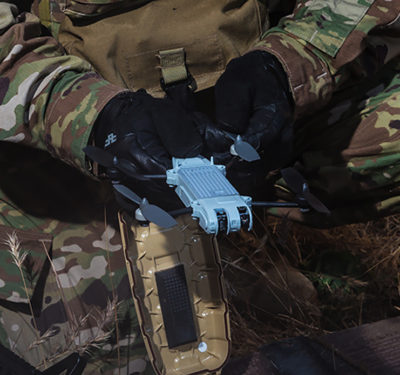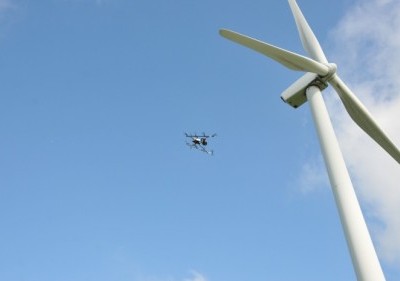

The new Drone Dominance Program will put 25 vendors through a “Gauntlet” fly-off at Fort Benning this month, with about $150 million in prototype orders and a four-phase, $1.1 billion path to field hundreds of thousands of low-cost attack drones by 2027.
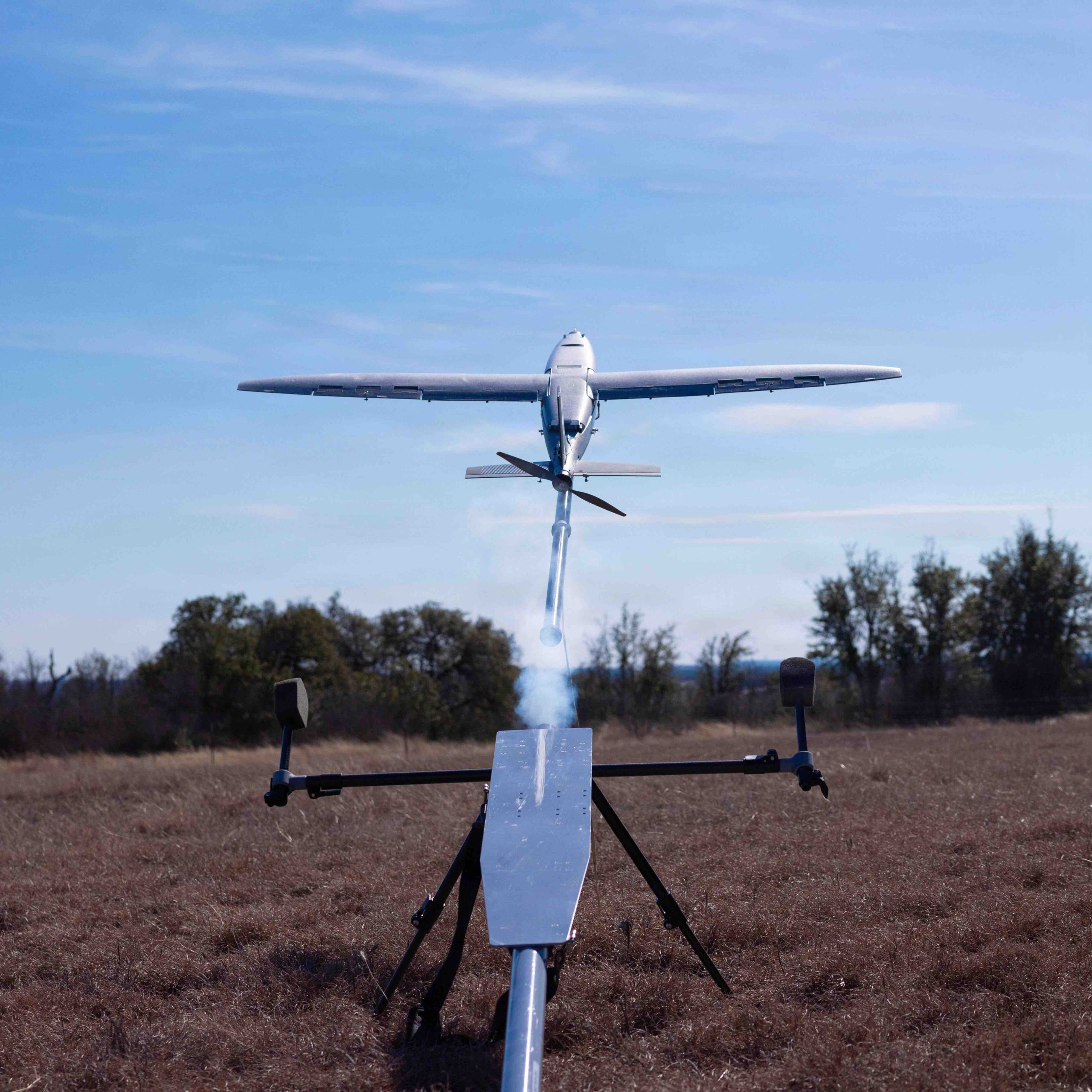
The Pentagon has named 25 companies invited to compete in Phase I of its new Drone Dominance Program (DDP), an acquisition effort designed to rapidly field low-cost, one-way attack drones at scale. The Phase I evaluation event—nicknamed “the Gauntlet”—will begin 18 February at Fort Benning, where military operators will fly and score vendor systems under common conditions.
According to the official announcement, the Gauntlet will run into early March. At the conclusion of the trials, the department plans to place approximately $150 million in prototype delivery orders, with initial deliveries beginning shortly afterward and continuing over roughly five months.
The Drone Dominance Program is structured as a four-phase effort with an overall budget signal of about $1.1 billion. Across those phases, unit prices are expected to decline as production scales up, while volumes and operational capability increase. By 2027, the department’s stated goal is to be fielding “hundreds of thousands of weaponized, one-way attack drones ready for combat.”
An earlier policy memo on “Unleashing U.S. Military Drone Dominance” framed the program as an acquisition reform initiative: sending a stable demand signal to industry, putting operators at the center of evaluation, and using competitive, iterative cycles “measured in months, not years” to build a U.S. industrial base for small, attritable UAS.
Four-phase plan, operator-centric evaluation
Each phase of DDP begins with a Gauntlet challenge event where invited vendors’ systems are flown by military operators and evaluated in realistic mission scenarios. The program’s structure envisions multiple rounds of fixed-price production orders following those trials, with quantities increasing and price per unit falling in later phases.
The Drone Dominance Program is sponsored at the senior leadership level and executed by the Defense Innovation Unit (DIU), the Test Resource Management Center and Naval Surface Warfare Center, Crane Division—organizations already central to recent prototyping and rapid-fielding efforts in uncrewed systems and munitions.
25 companies invited to the Gauntlet
The Pentagon has invited the following 25 vendors to participate in the first Gauntlet, listed alphabetically:
- ANNO.AI, Inc.
- Ascent AeroSystems Inc.
- Auterion Government Solutions Inc.
- DZYNE Technologies, LLC
- Ewing Aerospace LLC
- Farage Precision, LLC
- Firestorm Labs, Inc.
- General Cherry Corp
- Greensight Inc.
- Griffon Aerospace, Inc.
- Halo Aeronautics, LLC
- Kratos SRE, Inc.
- ModalAI, Inc.
- Napatree Technology LLC
- Neros, Inc.
- OKSI Ventures, Inc.
- Paladin Defense Services LLC
- Performance Drone Works LLC
- Responsibly Ltd
- Swarm Defense Technologies, LLC
- Teal Drones Inc.
- Ukrainian Defense Drones Tech Corp
- Vector Defense, Inc.
- W. S. Darley & Co.
- XTEND Reality Inc.
Several of the invitees are familiar names in the unmanned-aircraft ecosystem. Ascent AeroSystems builds coaxial-rotor tactical UAS; Auterion Government Solutions focuses on open-architecture UAS software and avionics; Griffon Aerospace and Kratos have long histories in target and tactical UAS; Teal Drones is a U.S. small-UAS manufacturer; ModalAI and Neros are known for flight-computer and autonomy stacks. Others, such as Firestorm Labs, Swarm Defense Technologies and XTEND Reality, represent a newer wave of loitering-munition, swarming and human–machine teaming specialists.
Implications for unmanned systems and industry
For the unmanned-systems community, Drone Dominance is significant on several fronts. First, it creates a dedicated procurement lane for low-cost, weaponized one-way attack drones, with an explicit goal of reaching “hundreds of thousands” of platforms within a defined timeframe. That combination of scale and structure—four Gauntlets, four production phases—signals a shift away from fragmented, one-off buys toward something closer to a standing industrial base for attritable UAS.
Second, the program places operators at the center of evaluation. The Gauntlet fly-off is designed around military units putting systems through their paces and providing direct feedback that informs prototype orders and follow-on phases. That aligns with a broader pattern in DIU-linked efforts, where warfighter-centric evaluations are used to compress requirements definition, testing and acquisition into months rather than years.
Finally, Drone Dominance formalizes a substantial competitive field. For vendors, making the Gauntlet list offers both near-term revenue opportunities and longer-term positioning in a segment likely to influence future doctrine and force structure. For emerging “drone dominance” formations and other concepts built around massed UAS, DDP provides a concrete pipeline of systems and suppliers to draw from.
With funding characterized in official documents as “ready and steady” and timelines “compressed,” the Pentagon is signalling that Drone Dominance is intended as a sustained, large-scale fielding effort. For allies and adversaries alike, the performance of these 25 vendors in the Fort Benning Gauntlet will be an early indicator of how quickly the United States can translate today’s small-UAS innovation into massed, combat-ready capability.