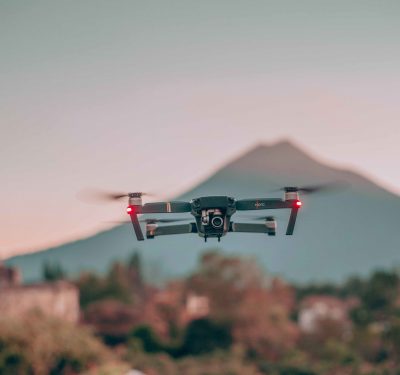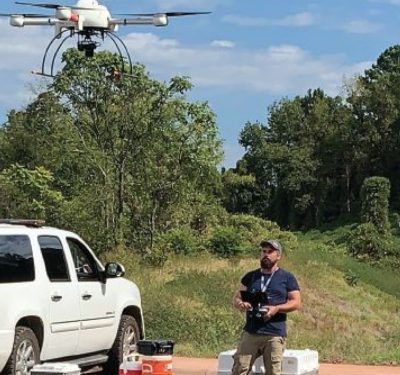

The Senate Armed Services Committee’s FY2027 defense bill permits the Pentagon to establish a dedicated Robotic and Autonomous Systems Combatant Command — the first potential new combatant command since Space Command was reestablished in 2019. The House version separately mandates updates to AI and autonomous weapons policy.
The Senate Armed Services Committee passed its fiscal year 2027 National Defense Authorization Act on June 11, advancing a provision that would permit the Pentagon to establish a new combatant command dedicated to robotic and autonomous systems. The committee voted 18-9 to advance the $1.14 trillion bill, which now heads to the Senate floor.
The proposed Robotic and Autonomous Systems Combatant Command would be the first new combatant command since U.S. Space Command was reestablished in 2019. Under the SASC bill, its establishment is permissive, not mandatory: the language “encourages the Department to adopt the future of warfare by permitting” the command’s creation, leaving the decision to the Pentagon. The command would be headed by a four-star officer and would carry limited acquisition authorities to experiment and buy directly from the marketplace.
Congressional staff briefing reporters on June 11 said the proposal was shaped in part by battlefield lessons from Ukraine and Russia’s war, both of which have stood up dedicated unmanned systems branches. Ukraine formally established its Unmanned Systems Forces on June 25, 2024, the first such military branch in history; Russia followed with its own Unmanned Systems Forces on November 12, 2025. The staff said committee debate on the proposed command was “very long, very spirited and very useful” before members settled on the combatant command model over alternatives such as a new military service.
The SASC bill also codifies in statute the Defense Department’s existing review process for autonomous weapons systems and artificial intelligence capabilities, specifying standards for human judgment, validation and testing requirements, prohibited uses, and a centralized incident reporting repository. Separately, the bill directs the establishment of a Defense Department-wide ecosystem for agentic AI at scale, and directs a strategy for scaling common operating picture capabilities and federating their underlying data ontologies across the joint force.
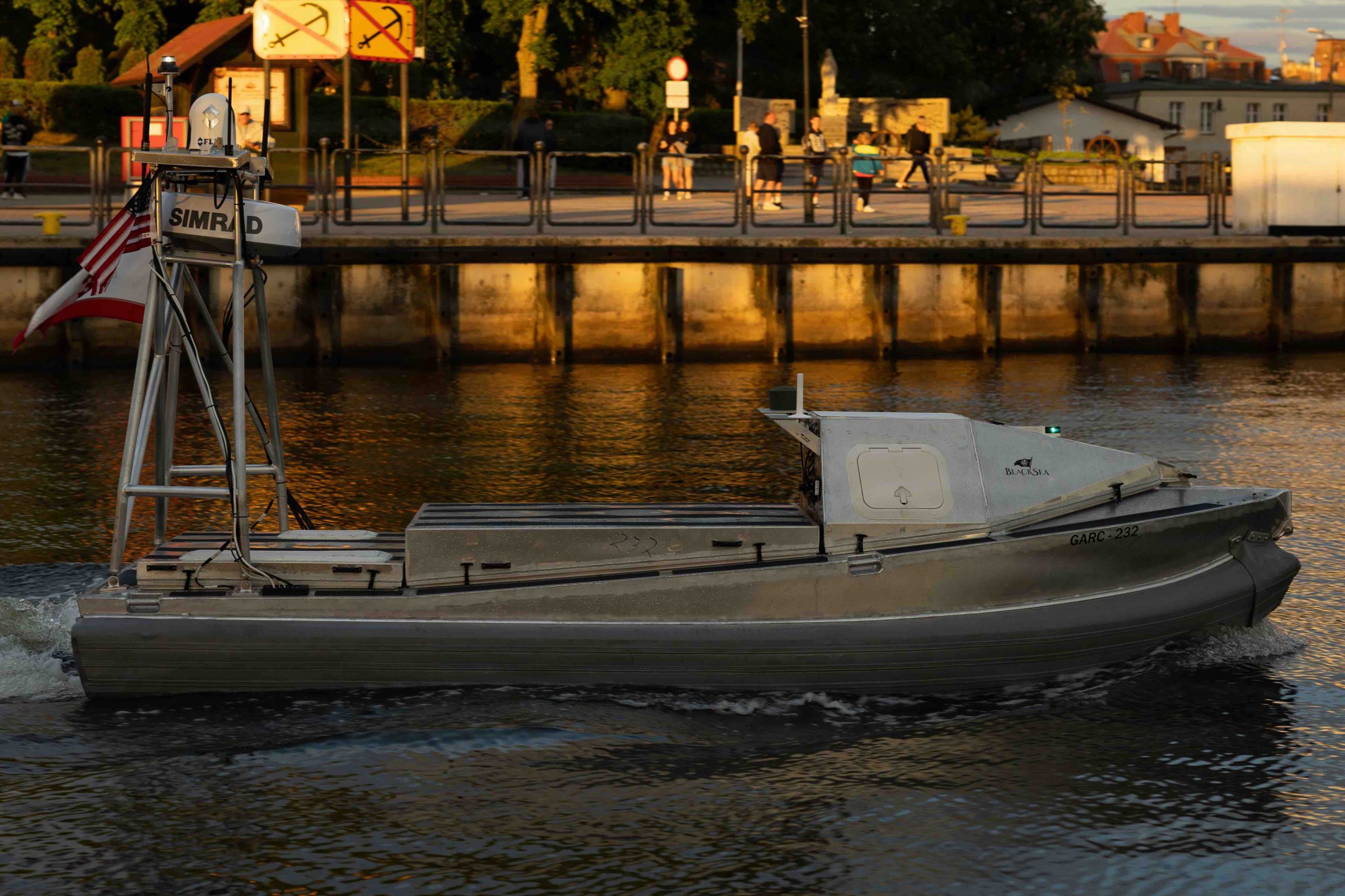
The bill authorizes more than $1 billion in additional funding for maritime unmanned systems, and includes a provision specifically encouraging U.S. Special Operations Command to continue efforts to identify, assess, and procure innovative one-way attack unmanned aerial systems.
The House Armed Services Committee passed its own version of the NDAA on June 4. The House bill includes an amendment requiring updates to Pentagon policy governing AI-enabled systems “intended to support, recommend, or materially influence operational decisions associated with the employment of force,” covering operational planning, target development, weaponeering and engagement recommendation. Several Senate Democrats have proposed amendments imposing additional guardrails on lethal autonomous weapons use, including requirements that humans retain final authority over use-of-force decisions.
Both bills must pass their respective chambers before going to conference, where differences will be resolved. A long way remains before any provisions become law.