
A supply chain security framework that began with a sweeping December 2025 prohibition on foreign-produced UAS is now generating its first conditional approvals—and a January 2027 deadline that will define the next phase of American drone policy.
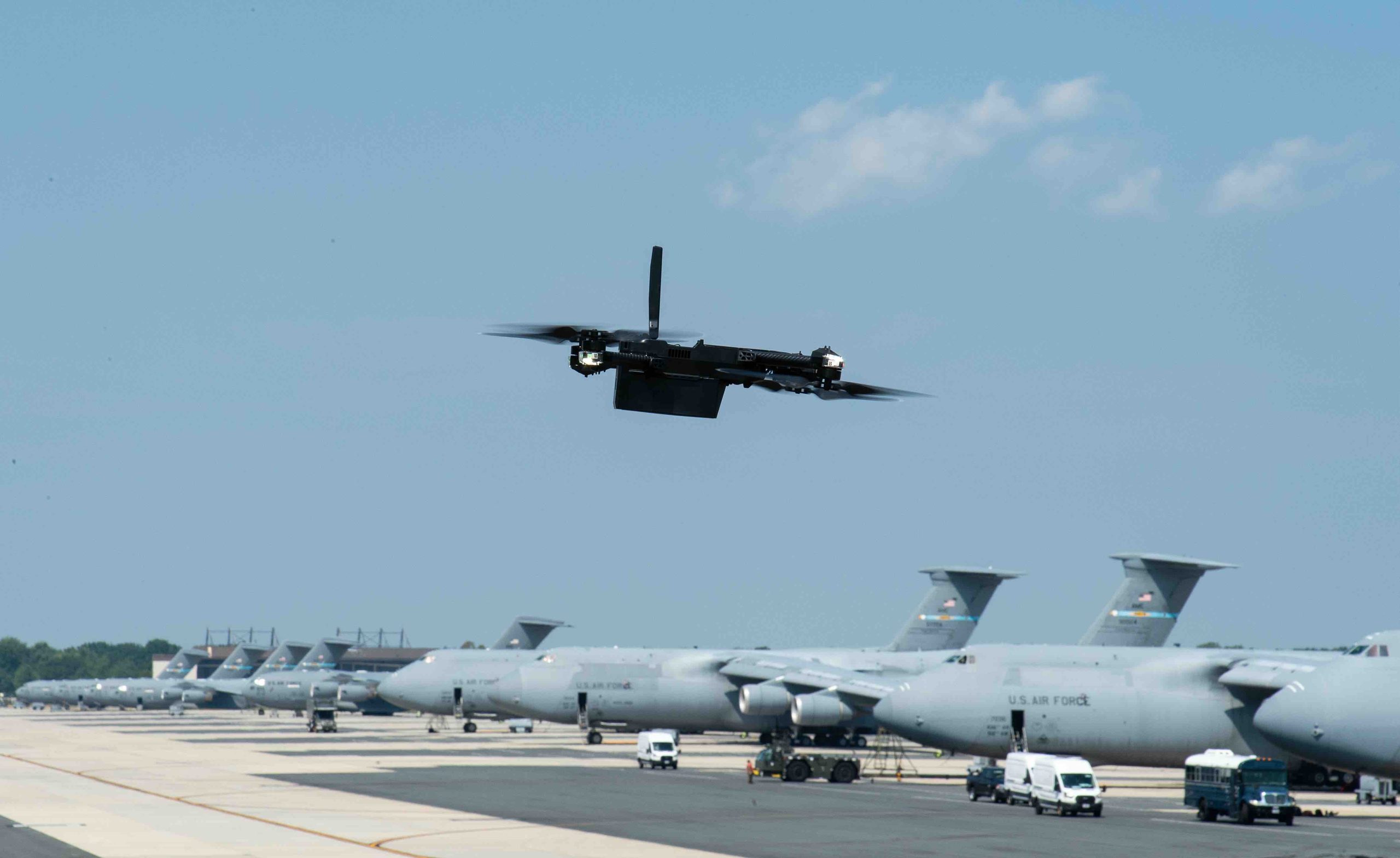
For most of its history, the Federal Communications Commission has been a peripheral figure in the U.S. drone industry—present in the background through equipment authorization requirements, relevant to spectrum planning, but not central to who can build or sell what in the American market. That changed in December 2025, and the implications are still working their way through the supply chain.
Following a national security determination from an executive branch interagency body, the FCC added all UAS and UAS critical components produced in a foreign country to its Covered List—the running inventory of equipment and services deemed to pose unacceptable risks to U.S. national security. The practical effect was a prohibition on new FCC equipment authorization for the importation, marketing, or sale of foreign-produced drones and their critical components, including motors, batteries, flight controllers, ground control stations, and navigation systems. Existing authorized devices were not affected. The restriction applies on a going-forward basis to new authorizations only.
Since December, the framework has moved through three additional phases—each narrowing the scope of restrictions or opening new compliance pathways—and in April, the FCC opened a formal comment period on a broader set of regulatory reforms tied to the same policy agenda. What’s emerged is a structure centered on a January 1, 2027 deadline that now functions as the most consequential date on the U.S. drone regulatory calendar.
From Prohibition to Framework
In January 2026, DoD made a further determination that carved out two temporary exemptions. The first covered systems on the Defense Contract Management Agency’s Blue UAS Cleared List—the trusted-drone registry that DCMA assumed from the Defense Innovation Unit at the start of 2026. The second covered products qualifying as domestic end products under the Buy American Standard, 48 CFR § 25.101(a), requiring that the cost of domestic components exceed 65 percent of the total. Both exemptions run until January 1, 2027.
The FCC simultaneously established a conditional approval process: a case-by-case pathway through which individual manufacturers could seek a national security determination from DoD or the Department of Homeland Security. Applicants submit corporate structure documentation, supply chain details, and a U.S. manufacturing or onshoring plan to drones@fcc.gov for review. If DoD or DHS determines the system does not pose unacceptable national security risks, the FCC exempts it from the Covered List entry.
On March 18, the FCC announced the first batch of conditional approvals—four systems cleared through December 31, 2026.
“The conditional approval process is now the primary pathway for non-Blue-UAS foreign manufacturers seeking U.S. market access.”
The First Four
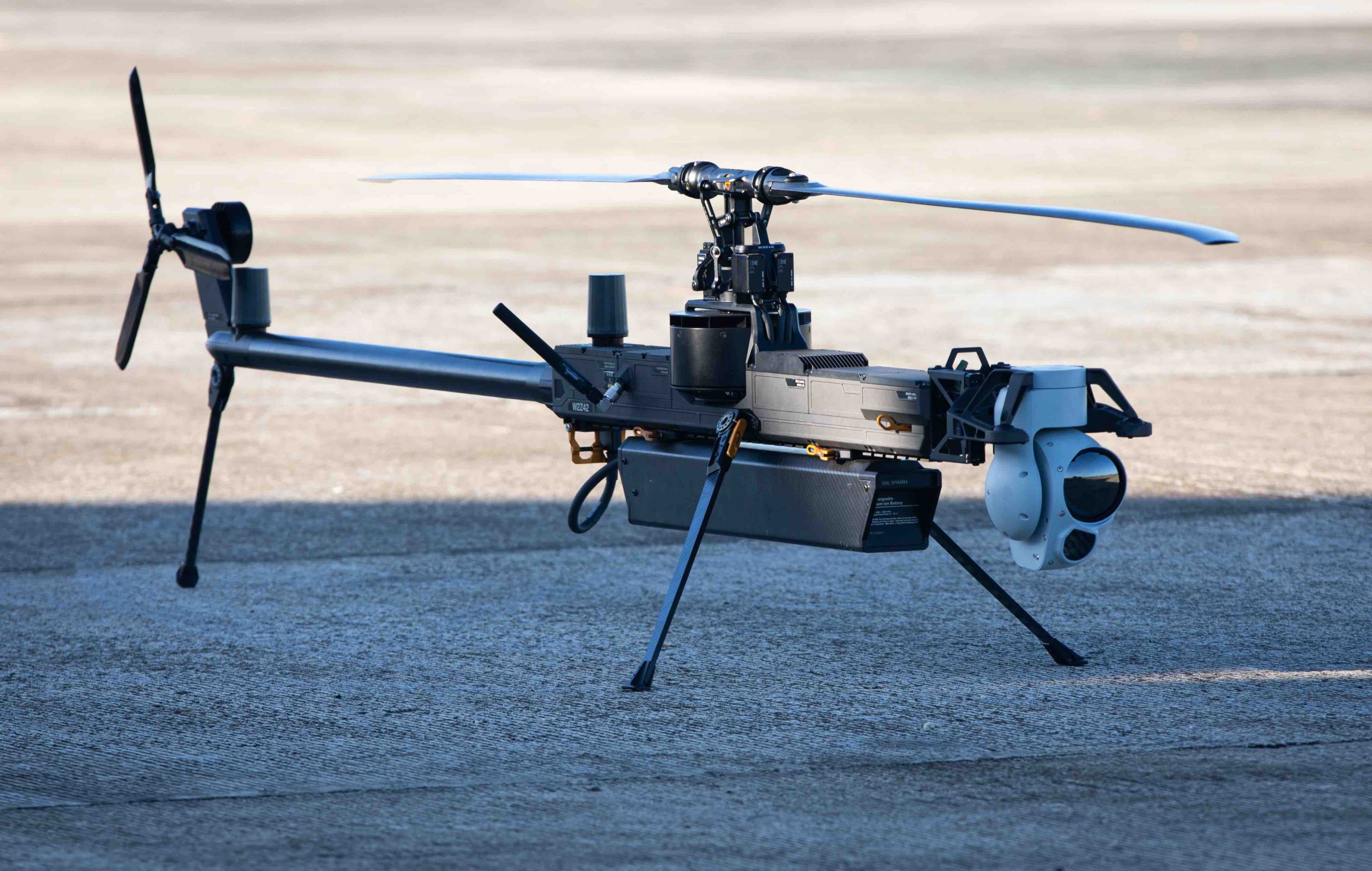
The four systems that cleared the initial conditional approval review are a useful cross-section of the non-Chinese manufacturers navigating the new framework.
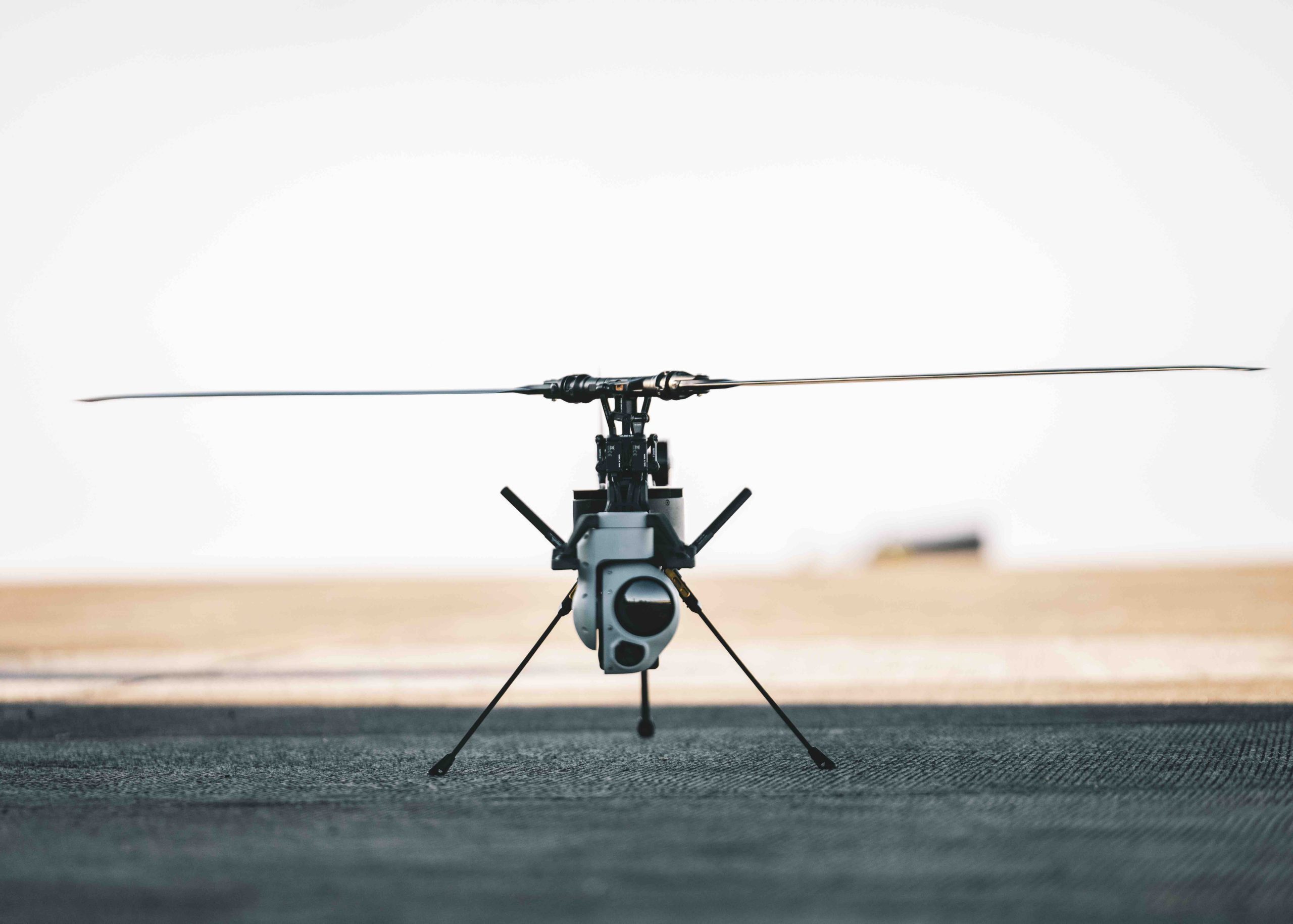
The SiFly Aviation Q12 is a California-based long-endurance commercial UAS targeting public safety and industrial inspection markets. SiFly petitioned the FCC directly, made the national security case for its platform, and committed to an onshoring plan for covered components. The Q12 is an all-electric VTOL with two hours of hover endurance and up to three hours of forward flight, designed for drone-as-first-responder programs and large-scale industrial operations.
The Mobilicom SkyHopper Series, M Band, and Tactical Data Link—along with associated controllers and ICE/OS3 security software—represent the only non-aircraft entry in the first batch. The Israeli firm’s conditional approval covers a data link and communications stack rather than a complete airframe, establishing that the conditional pathway applies across the UAS ecosystem to components and software, not only to whole systems.
The ScoutDI Scout 137 is a Norwegian-designed indoor inspection platform built for confined industrial environments—tanks, vessels, and other GPS-denied spaces where conventional drones cannot safely operate. Its inclusion is notable for the operational context: this is a system that competes not on open-air autonomy but on close-quarters industrial data capture.
The Verge Aero X1 is a drone light show platform designed and manufactured in the United States by a Philadelphia-based company operating under ISO 9001 and AS9100C certification. Its inclusion may reflect the administration’s stated concern about securing airspace around large public gatherings: the original December 2025 national security determination specifically cited the 2026 FIFA World Cup, America250 celebrations, and the 2028 Los Angeles Olympics as contexts where foreign-manufactured UAS could enable surveillance or disruption.
All four approvals are temporary, expiring December 31, 2026—the same date as the Blue UAS and Buy American carve-outs. All four are non-Chinese manufacturers. None compete with DJI or Autel at commercial scale. The process, in its first application, cleared systems with specialized enterprise or public safety use cases and, presumably, supply chain documentation that was straightforward to vet.
Since that initial batch, the conditional approval list has continued to grow. In April, the Department of Defense granted approval for Sees.ai’s v.USA 1.0 UAS — an Australian-developed autonomous inspection platform — bringing the total to five cleared systems. A further DoD determination in early May expanded the list again, and as of May 15 a sixth UAS approval was in place alongside several router product lines. The pace suggests the conditional pathway is functioning as intended, though all current approvals remain tied to the December 31, 2026 expiration date.
The Spectrum Dimension
The supply chain story has run parallel to a separate but related set of questions about spectrum. In a Public Notice released April 1—GN Docket No. 26-74, titled “Unleashing American Drone Dominance”—the FCC’s Wireless Telecommunications Bureau and Office of Engineering and Technology opened a formal comment period on a broad slate of regulatory reforms. Comments closed May 1; with reply comments due May 18.
The notice is rooted in two executive orders signed in June 2025—Unleashing American Drone Dominance (EO 14307) and Restoring American Airspace Sovereignty (EO 14305)—which together direct federal agencies including the FCC to prioritize spectrum access, streamline certification, and favor domestically manufactured UAS in federal procurement to the maximum extent permitted by law.
On the spectrum side, the notice covers a range of questions with direct implications for operators and manufacturers. Most commercial drones currently rely on unlicensed ISM bands—900 MHz, 2.4 GHz, 5.2 GHz, and 5.8 GHz—for command and control, and the FCC is formally asking whether those bands remain viable for scaled UAS operations as drone traffic increases and interference risk grows.
On the licensed side, the FCC points to the 5030-5091 MHz aeronautical mobile band, where it adopted Part 88 service rules in August 2024, as a potential home for more reliable command and control links. An interim mechanism provides temporary access to a 20 MHz slice of that band— 5040-5060 MHz—through FAA coordination and FCC registration, with a longer-term band plan still in development. The FCC is also asking whether to lift aeronautical mobile prohibitions currently in place across several flexible-use terrestrial bands—including the 1.4 GHz, 2.3 GHz, 3.7 GHz, and CBRS bands—and whether to revisit its prior determination that the 960-1164 MHz band is unavailable for UAS operations.
AURA Networks has separately petitioned for access to the 450 MHz band to support long-range links. The 24 GHz band is under consideration for radar and detect-and-avoid operations, and millimeter-wave bands are flagged for short-range payload and non-critical communications. The notice also addresses experimental licensing reform, innovation zone expansion, Counter-UAS regulatory barriers, and interagency coordination on spectrum policy.
The January 2027 Cliff
Every significant exemption in the current framework—Blue UAS, Buy American, and the March conditional approvals—expires on the same date: January 1, 2027. The DoD determination establishing the Blue UAS and Buy American carve-outs explicitly framed them as temporary measures tied to a reassessment of whether continued import of foreign UAS and components threatens the resiliency of the domestic industrial base.
For operators and procurement offices that have built acquisition strategies around Blue UAS-cleared platforms, the 2027 sunset creates real planning pressure. For manufacturers currently navigating the conditional approval process, it establishes a near-term ceiling on market certainty. And for the broader commercial drone market, it sets a hard deadline against which the FCC’s spectrum rulemaking, DoD’s supply chain assessments, and the Drone Dominance Program’s industrial policy must all produce durable results.
The conditional approval process is now the primary pathway for non-Blue-UAS foreign manufacturers seeking U.S. market access. With four approvals in its first three months of operation, the pace of determinations will be worth watching as more companies work through the submission process. Whether the framework scales to handle the full breadth of the market—and whether the January 2027 reassessment produces extensions, permanent rules, or a new exemption cycle—will define the next chapter of the U.S. drone supply chain story.