
The new Blue List UAS portal marks the formal handoff of the Pentagon’s trusted drone list from DIU to DCMA, positioning US-X to turn Blue UAS into a full-scale marketplace for low-cost, NDAA-compliant systems.
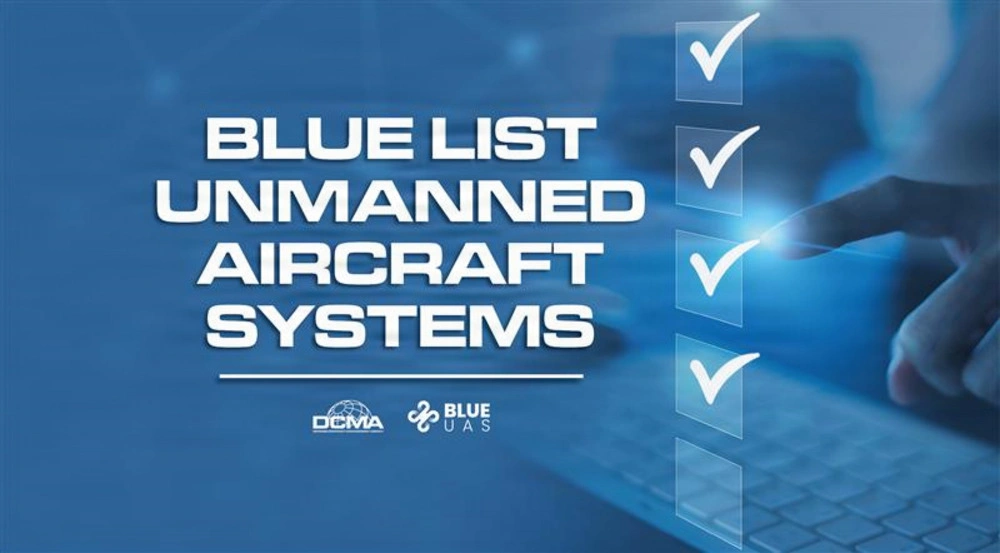
The Defense Contract Management Agency’s Special Programs Unmanned Systems–Experimental command, or US-X, has launched a new Blue List Unmanned Aircraft Systems website, creating a central portal for trusted drones and components cleared for U.S. military use. The site, which went live December 3, is intended to offer “an effective and flexible path for delivering critical drones and drone components to America’s warfighters” and formalizes the transfer of Blue List responsibility from the Defense Innovation Unit (DIU) to DCMA.
Air Force Col. Dustin Thomas, commander of DCMA US-X, framed the launch as both continuity and scale: DIU built the prototype Blue UAS construct; DCMA is now tasked with turning it into an enterprise tool embedded in day-to-day acquisition. The site also beat the timelines set in the July “Unleashing U.S. Military Drone Dominance” memorandum, which directed the department to clear bureaucratic bottlenecks and push large numbers of low-cost drones into frontline units.
DCMA acting director Sonya Ebright tied the portal directly to that shift in acquisition philosophy. Through the Blue List, she said, US-X is “already transforming our warfighting capability by getting unmanned systems rapidly fielded at the tactical level,” while also helping to revive the defense industrial base and forcing overdue changes in how the department buys equipment.
From Blue UAS list to Blue List marketplace
According to DIU, the transition is meant to expand secure drone access across the services and align Blue UAS with DCMA’s contract management and supplier engagement machinery. The handoff covers 81 vetted companies, existing military users and recognized assessors, with US-X in Palmdale, California, designated as the new headquarters for the effort.
DIU’s Blue UAS initiative, launched in 2020, was designed to rapidly vet commercial small UAS for government use following NDAA restrictions on certain foreign components. Over time it has evolved from a handful of Army-driven systems into a broader “trusted catalog” and framework, with more than 39 certified platforms and 165 components cleared for use across the department and other government partners.
Commercial resellers such as ADS now treat the Blue UAS Cleared List as a de facto menu of approved systems, emphasizing that listed drones meet U.S. government cybersecurity, data privacy and operational reliability standards and can be procured through existing vehicles like DLA TLS or GSA schedules.
Toward a one-stop shop for trusted UAS
US-X’s stated intent is to move beyond a static cleared list toward a dynamic marketplace that can keep pace with rapid advances in unmanned systems and the Pentagon’s appetite for “cheap, rapidly replaceable” Group 1 and 2 drones. The new Blue List site is designed to give units a single entry point where they can see which systems and components are approved, how they were assessed and how to buy them through existing contracting channels.
Program manager Maj. Eric Scholl has described the goal as a “single, easy-to-use source” that turns a fragmented, vendor-driven small UAS market into a trusted pipeline. DCMA plans to scale the platform through 2027, expanding supplier onboarding, assessor coverage and integration with service-specific procurement systems so that the Blue List becomes a default touchpoint for U.S. military UAS purchases. In parallel, DOD’s drone-dominance strategy is pushing experimental formations, new training regimes and large-scale industrial capacity for low-cost drones, with Blue List/Blue UAS positioned as one of the main tools for sending a stable demand signal to domestic manufacturers.
What it means for industry
For U.S. drone and component makers, the move from DIU to DCMA and the launch of bluelist.dcma.mil signal that trusted-drone vetting is no longer a boutique innovation project but an acquisition function the department expects to scale. Companies already on the Blue UAS Cleared List should now see a clearer path from technical approval to actual fielding, while new entrants will be watching closely to see how US-X handles onboarding, transparency around requirements and the pace of updates to the list.
If DCMA and US-X can deliver on the marketplace vision, keeping standards high while shortening the distance between engineering, cyber assessment and contract award, the Blue List site could become a central piece of the United States’ attempt to close the gap with adversaries that are already producing low-cost drones at scale.