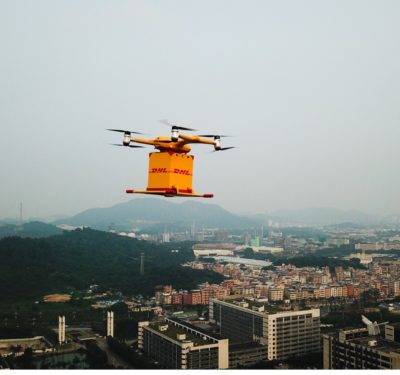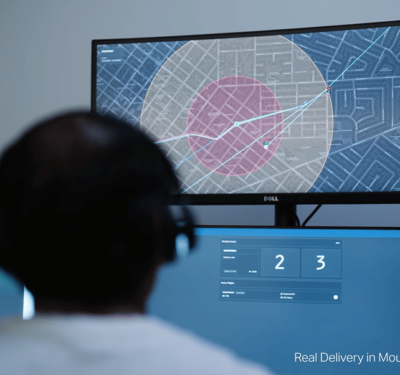

After years of anticipation, the U.S. Department of Transportation has released the Federal Aviation Administration’s proposed rule to enable safe and scalable Beyond Visual Line of Sight (BVLOS) operations.
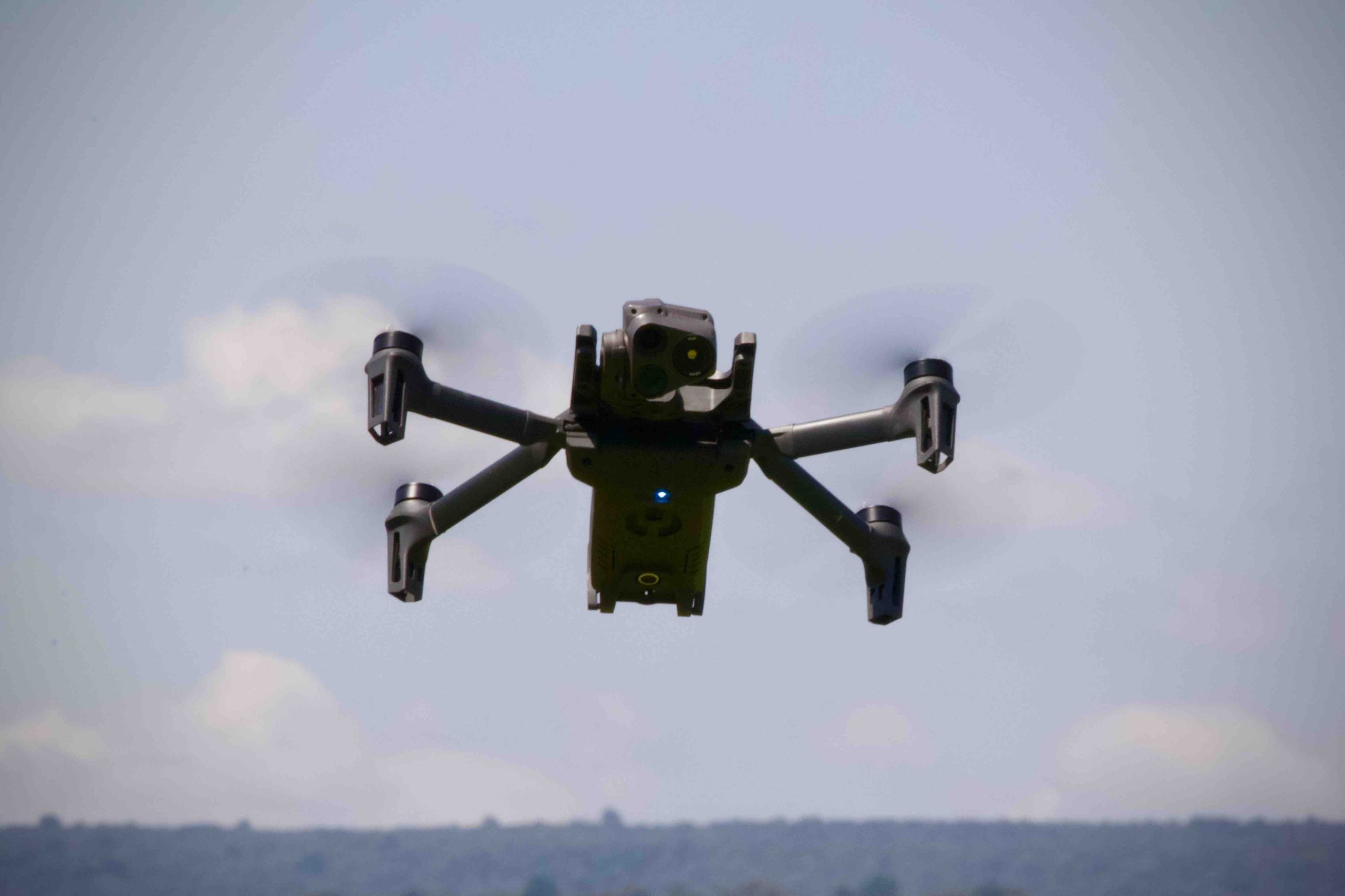
The long-awaited rule, which would be codified as Part 108, outlines detailed frameworks for flight operations, aircraft standards, separation requirements, operator authorizations, and cybersecurity—setting the stage for a dramatic expansion of UAS capabilities across sectors.
A New Framework for Routine BVLOS
The proposed rule is designed to enable a wide range of routine BVLOS operations—including package delivery, agriculture, aerial surveying, public safety, and recreation—within a predictable regulatory framework. All flights must remain at or below 400 feet AGL and originate from pre-designated, access-controlled locations with FAA-approved boundaries, launch/landing zones, and communications procedures.
According to the DOT BVLOS Fact Sheet, under Part 108, operators must conduct pre-flight hazard assessments, review NOTAMs, and ensure robust communications coverage—particularly for handling lost-link scenarios. Operators would also need FAA approval for the specific areas in which they intend to fly, including estimates of daily operations and safety mitigations.
Safe Separation Through Data Service Providers
To maintain situational awareness and deconfliction, the FAA introduces a novel role: Automated Data Service Providers (ADSPs). These entities—either independent or internal to the operator—would deliver digital services for cooperative traffic deconfliction between UAS and manned aircraft. They must conform to vetted industry consensus standards and receive FAA approval.
Notably, drones must yield to all manned aircraft broadcasting position via ADS-B and cannot interfere with operations near airports, launch/reentry sites, or eVTOL vertiports.
Drones will also be required to have detect-and-avoid technologies and broadcast Remote ID, in line with the FAA’s ongoing airspace integration efforts.
Scalable Aircraft Approval Process
Under the rule, drones operating under Part 108 could weigh up to 1,320 pounds including payload—a significant increase from Part 107 limitations. These aircraft would not require traditional airworthiness certification, but rather undergo a streamlined approval process based on industry consensus standards. Manufacturers would be responsible for testing compliance and defining operational limitations.
Lighting and Remote ID capabilities would be mandatory across all platforms operating under the rule.
Permits vs. Certificates: A Tiered Authorization System
The FAA proposes a two-tiered system of operational approval:
- Permits would apply to lower-risk operations—limited fleets, smaller aircraft, and constrained scopes (e.g., delivery, surveying, training). These would be processed more quickly and with less oversight.
- Certificates would be required for higher-risk operations involving heavier, faster aircraft or larger fleets. These operators must implement a Safety Management System (SMS), maintain a training program, and undergo a rigorous FAA review.
Each certificate-holder must designate an operations supervisor (responsible for regulatory compliance and personnel readiness) and flight coordinator (overseeing individual flights). Interestingly, neither position would require a formal FAA-issued pilot certificate.
Cybersecurity and Security Threat Vetting
Part 108 introduces detailed cybersecurity mandates, including policies to:
- Prevent unauthorized access to drone systems, networks, and facilities.
- Mitigate and respond to cyberattacks.
- Ensure operational integrity, especially for automated systems.
Drone manufacturers must design protections against intentional electronic interference, and TSA would require security vetting for operations supervisors, flight coordinators, and other personnel. This includes criminal background checks, watchlist screening, and immigration verification.
Recordkeeping and Reporting Requirements
Operators must keep detailed records of:
- Flight history, including times, purposes, paths, and personnel involved.
- Mechanical failures and maintenance history.
- Training documentation and operations manuals.
Manufacturers and ADSPs would also maintain compliance and software records. Operators must report all losses of control, unauthorized access, and any damage exceeding $500, along with security breaches and automated service failures.
Limited Operations Over People
BVLOS flights over people would be allowed except for large, open-air gatherings like concerts or sporting events. The FAA proposes a five-category system based on population density, with increasing restrictions and technical mitigations as density rises.
Industry Response and Next Steps
The Part 108 NPRM represents a significant step forward for U.S. drone integration and a long-sought regulatory pathway for BVLOS at scale. Stakeholders are expected to submit formal comments as part of the rulemaking process. Industry advocates have long argued that routine BVLOS is essential for commercial viability in logistics, infrastructure monitoring, agriculture, and public safety.