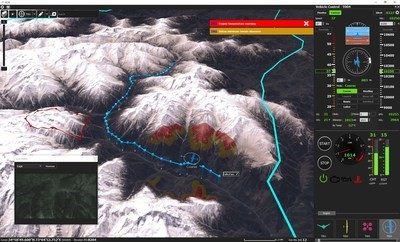

Thales has announced the launch of a new FAA radar data hub in North Dakota, creating a secure pathway for unfiltered federal radar data to feed into the state’s Vantis UAS network and support beyond visual line of sight (BVLOS) drone operations.
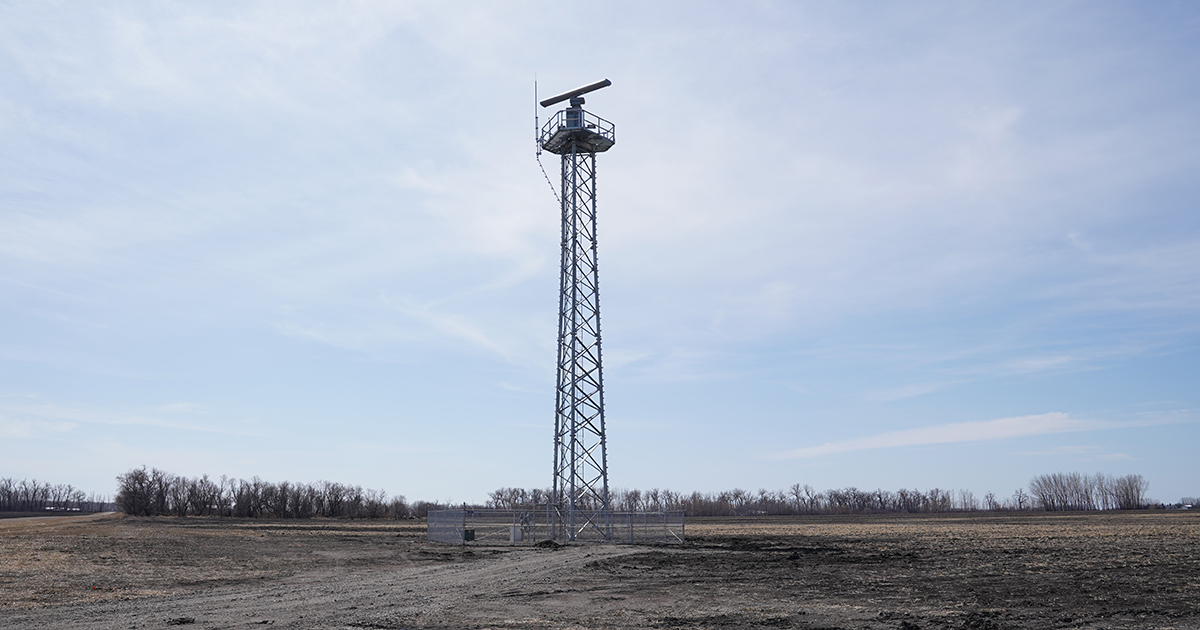
The initiative is built around what partners are calling the Vantis Federal Radar Data Enclave – a secure integration point between Federal Aviation Administration radar feeds and North Dakota’s statewide UAS infrastructure. The Northern Plains UAS Test Site in Grand Forks is the first non-federal entity in the United States to receive this level of direct, unfiltered FAA radar data access.
According to Thales, the new radar data hub leverages technology developed in the United States and was designed and implemented by the company as part of its role as systems integrator for the Vantis network.
Radar Data Pathfinder meets Vantis
The radar data hub is a centerpiece of the FAA’s Radar Data Pathfinder effort, a program created under the 2024 FAA reauthorization to explore how federal radar data can accelerate UAS integration into the National Airspace System. North Dakota, working through the Northern Plains UAS Test Site, was selected as the first participant in this program.
Under the arrangement, unfiltered FAA radar feeds are securely ingested into the Vantis Federal Radar Data Enclave and then fused with the existing Vantis surveillance and communications infrastructure. Vantis is North Dakota’s statewide BVLOS UAS network, designed and integrated with Thales, and already supports advanced drone operations over large portions of the state.
Officials in North Dakota describe the enclave as a foundational change in how shared airspace awareness is managed. The system is intended to provide a more complete traffic picture for crewed and uncrewed aircraft, supporting routine BVLOS operations, UAS traffic management concepts and, longer term, counter-UAS and security missions.
From a technical and governance standpoint, the hub required new security requirements and data-sharing frameworks that could satisfy FAA and federal cybersecurity expectations while still being usable by a state-run test site and commercial partners. NPUASTS and Thales have highlighted the work done on system redesign, cybersecurity hardening, personnel vetting and independent assessment to make the radar data enclave viable.
BVLOS operations, counter-UAS and a national model
State and federal stakeholders are positioning the project as both a practical enabler for operations in North Dakota and a template other regions could follow.
Senator John Hoeven, who pushed for the radar initiative language in the 2024 FAA bill, has framed the enclave as cementing North Dakota’s status as one of the most advanced UAS ecosystems in the country. His office notes that direct access to FAA radar data should allow more frequent and geographically extensive BVLOS flights across the state, while also supporting national security and counter-UAS missions, including efforts such as the Point Defense Battle Lab at Grand Forks Air Force Base.
For the FAA, the partnership provides a controlled environment to evaluate how federal surveillance data can be used in UAS integration and UTM concepts without compromising safety or information security. Agency officials have described the Radar Data Pathfinder as a step toward more efficient data sharing with state partners and industry, with the North Dakota enclave providing a concrete test case.
For Thales, the hub sits on top of years of work on Vantis as the system integrator, including building out radar and communications sites, a mission network operations center, and UAS-specific surveillance and automation tools. The company has said that the radar data enclave is part of a broader push to bring its airspace management and cybersecurity expertise into emerging domains such as BVLOS drone operations and advanced air mobility.
Looking ahead, North Dakota officials and their partners are already talking about commercialization. Legislative testimony and state planning documents point to goals that include scaling the radar data enclave beyond initial test use, enabling third-party service providers to tap into the enriched surveillance picture, and using the model to inform how other states might structure similar arrangements with the FAA.