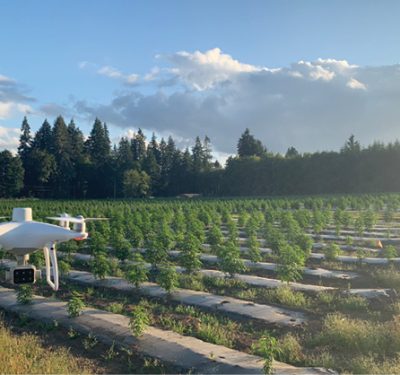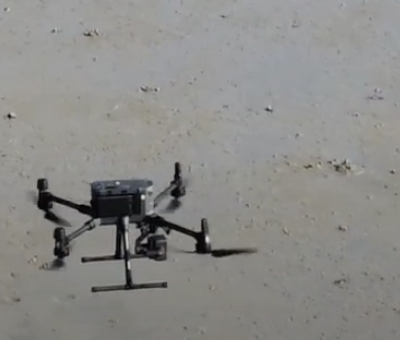

ZenaTech, Inc., a business technology solution provider specializing in AI drones, Drone as a Service (DaaS), Enterprise SaaS, and Quantum Computing solutions, announced that it has signed an offer to acquire a Florida-based FAA certified flight school that trains professional pilots for FAA Part 61 certification to be qualified as an airplane pilot and also for complex BVLOS drone pilot operations.
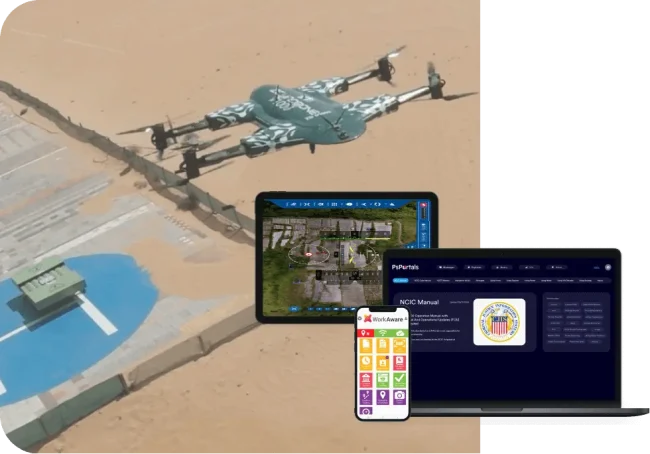
Upon completion, the acquisition will enable the company to build an internal team of Part 61-certified pilots and be positioned as drone regulations evolve and opportunities grow in the DaaS, government, and defense markets, including military contracts that mandate a Part 61 pilot-in-command.
Today, the most common commercial drone pilot credential is Part 107, like a drone “drivers’ licence” but without a flight test, it is obtained with only a written test and a few weeks of study. However, there are waivered or special flights that require additional pilot qualifications, such as when operating in restricted airspace, when coordination with air traffic control is required, and for complex BVLOS operations involving longer distances, higher risk, heavier payloads, or more challenging airspace.
“This acquisition allows us to train new pilots for our Drone as a Service business and enables our drone command centers to have qualified pilots to take on specialized commercial and major US government and military contracts,” said Shaun Passley, Ph.D., Zenatech CEO. “Preparing a qualified pilot workforce early ensures regulatory readiness, accelerates our market entry, and demonstrates our strategic commitment to future large-scale drone aviation operations and a national DaaS services network.”
Some big government or military drone jobs especially ones where the drone flies far beyond the pilot’s view (BVLOS) or in special, restricted airspace, require the person in charge of flying to be a licensed manned-aircraft pilot (a Part 61 pilot). This is often because the work is complex, involves high-risk areas, or needs close coordination with air traffic control, just like regular airplanes.
The FAA is moving toward a new system and drone rules where companies get a standing license to run BVLOS such as for specialized cargo drones, but they must prove they have the right people, training, aircraft, and procedures in place. Pilots will likely need extra BVLOS-specific credentials and larger drones may push the FAA to require Part 61-level training for the people in command.
The ZenaDrone 1000, a medium-sized (12’x7’) VTOL (Vertical Takeoff and Landing) capable of carrying ~40 kg with AI-enabled autonomy, secure communications via its proprietary DroneNet system, and rugged construction. It is designed for BVLOS (Beyond Visual Line of Sight) use, specialized cargo deliveries, inspections, and precision agriculture applications. Defense applications include ISR- Inspection, Surveillance, and Reconnaissance applications, and the company has completed paid trials with both the US Air Force and Navy Reserve for critical field cargo delivery (e.g., blood). The company is also working on a gas-powered version for longer flight times for applications such as border patrol and long-distance cargo missions.