
With its Vantis infrastructure and a decade of real-world flight experience, the Northern Plains UAS Test Site is emerging as the go-to expert on scalable drone integration. As FAA’s Part 108 takes shape, North Dakota offers a template for how AAM can safely take flight nationwide.
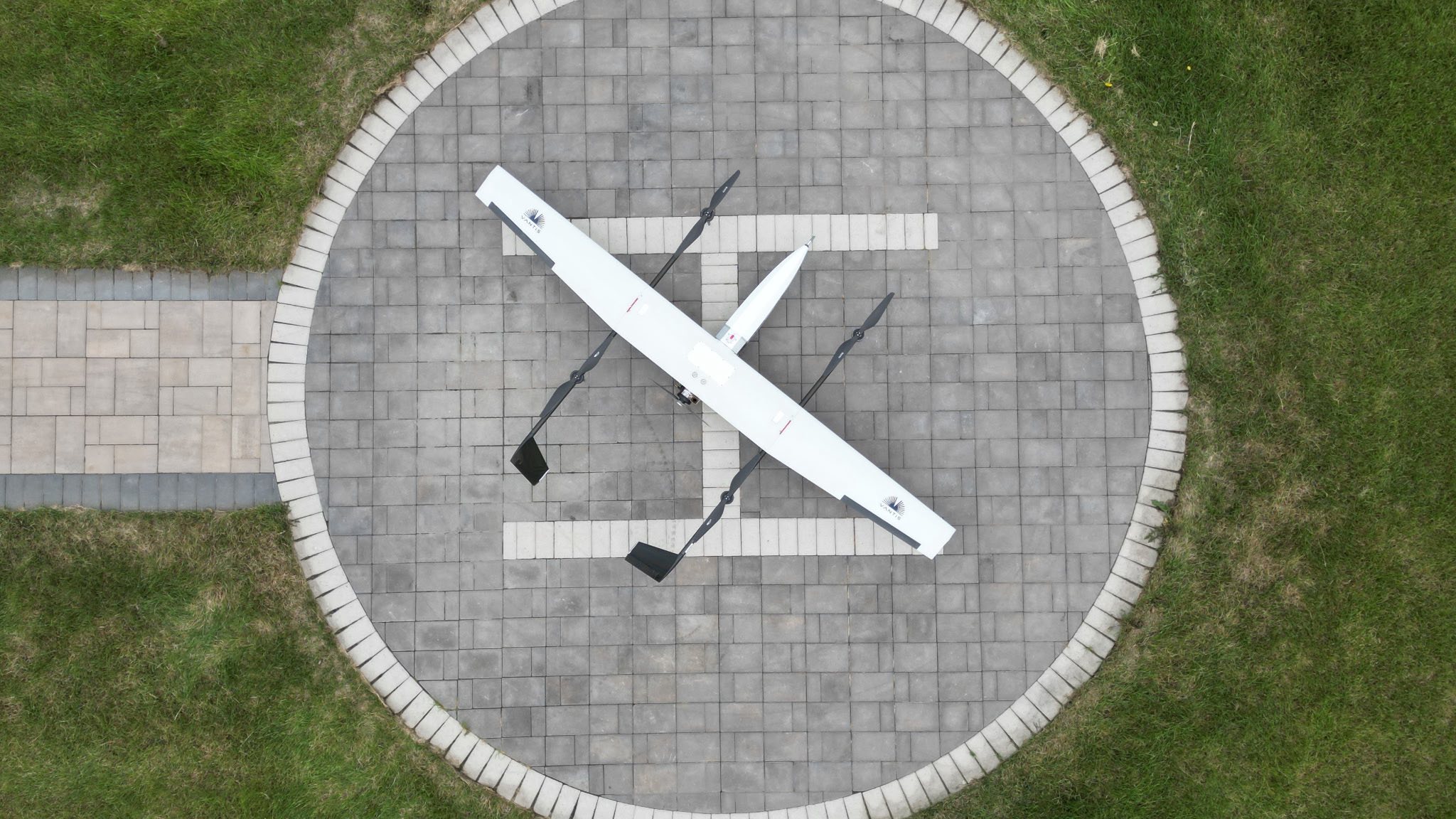
When the Federal Aviation Administration released the long-awaited Part 108 Notice of Proposed Rulemaking (NPRM) to enable beyond visual line of sight (BVLOS) drone operations, Erin Roesler, deputy executive director of the Northern Plains UAS Test Site (NPUASTS) didn’t just see a regulatory milestone. She saw validation.
“From the very beginning, our mandate was true integration—not segregation,” said Roesler, who has been with NPUASTS nearly since its inception twelve years ago. “We didn’t seek to carve out restricted airspace or sandboxes. We sought to operate UAS in the same national airspace system as everyone else, from day one.”
That core vision—of drones flying alongside general aviation, not apart from it—has shaped North Dakota’s approach to infrastructure, policy, and airspace modernization. And it is increasingly positioning the state as a national model for scalable advanced air mobility (AAM).
A Statewide Blueprint for Integration
Founded as one of the FAA’s original test sites, NPUASTS was tasked with helping to safely integrate unmanned aircraft into the national airspace system. But that goal required more than waivers and policy work. It demanded physical infrastructure that simply didn’t exist.
“We always said the two biggest barriers to UAS integration were policy and the lack of shared-use infrastructure,” Roesler explained. “Vantis emerged to solve that second challenge.”
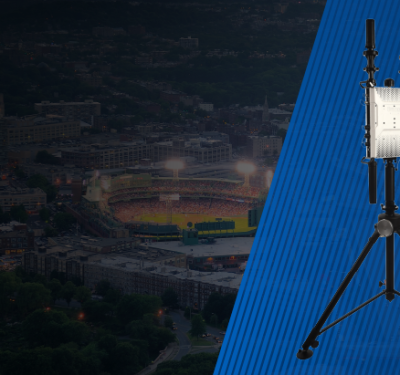
Vantis is North Dakota’s statewide UAS network, a state-funded initiative that offers surveillance, command and control (C2), and detect-and-avoid (DAA) capabilities to enable routine BVLOS operations across vast swaths of rural airspace. Unlike traditional infrastructure, it’s a networked, digital architecture designed from the ground up for uncrewed systems.
“We couldn’t just use traditional airports or aviation infrastructure,” Roesler said. “So the question became: what does infrastructure look like for UAS?”
Project Rural Reach and Medical Delivery
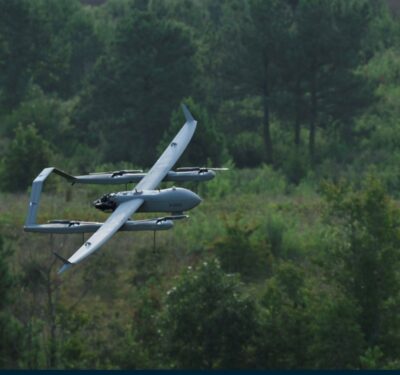
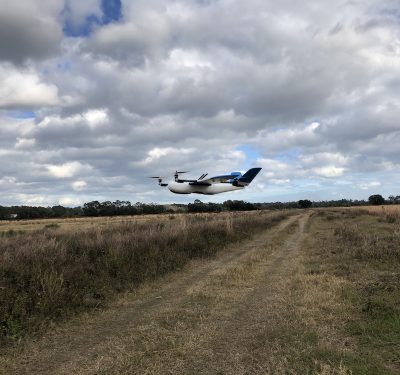
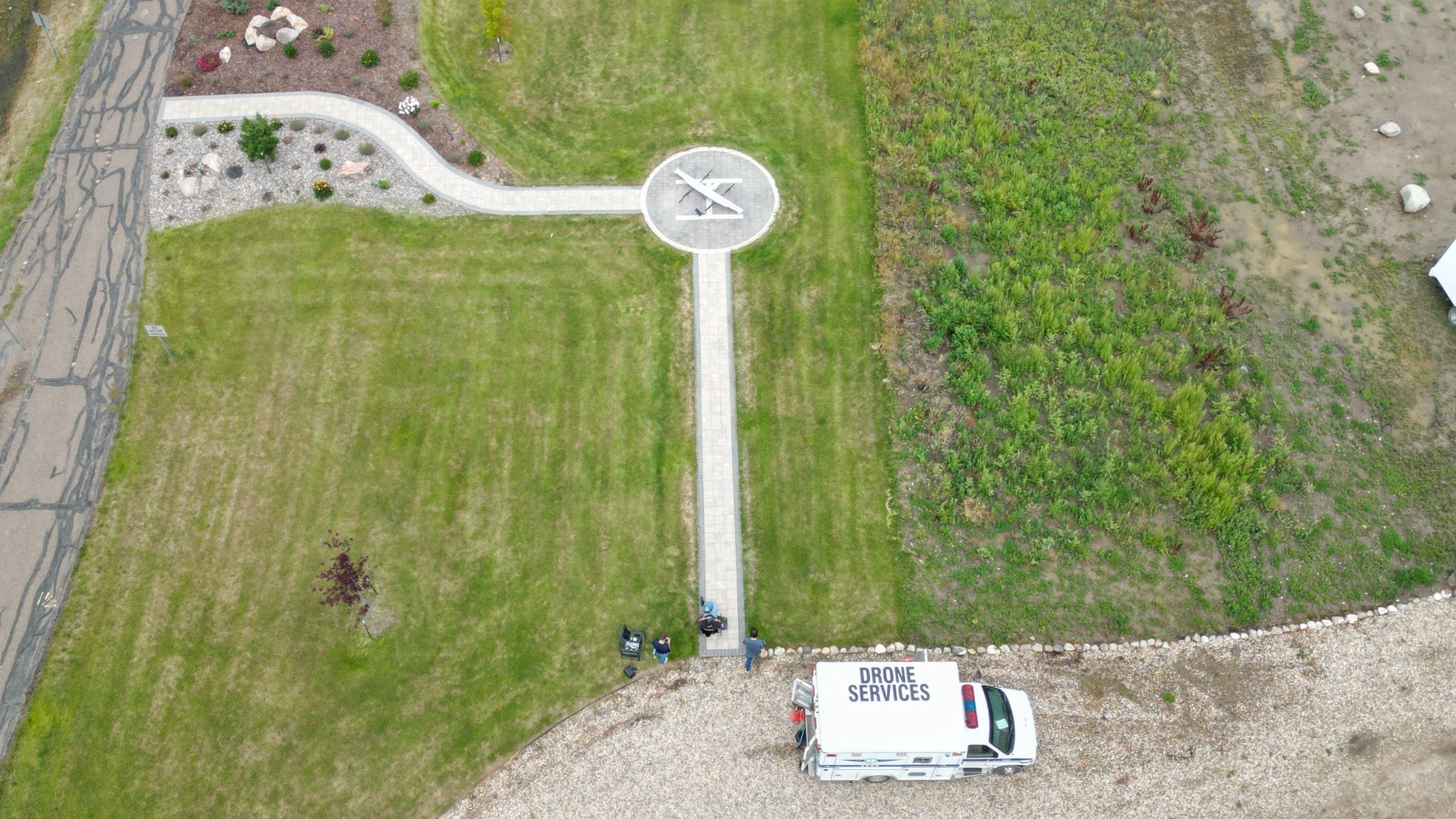
The answer to that question took flight in a high-profile demonstration known as Project Rural Reach. In a 34-mile flight across rural North Dakota, a drone delivered medical supplies between the towns of Williston and Watford City—using Vantis infrastructure to navigate uncooperative Class G airspace.
“You can do medical delivery in cooperative environments with little air traffic,” said Roesler. “But here, we have non-transmitting aircraft like crop dusters and general aviation. It’s not just wide open skies—it’s complex.”
Flying at altitudes up to 4,000 feet, the mission relied on real-time surveillance and safety assurance services provided by Vantis, showcasing what true integration looks like.
“That delivery flight aligns exactly with the type of operation envisioned in Part 108,” said Roesler. “It’s about yielding to traditional traffic, flying by right-of-way rules, and proving you can do that safely without visual observers.”
From North Dakota to the Nation
While Vantis is state-operated, it is no longer just a local initiative. NPUASTS and its industry partner Thales have already brought elements of the system to Texas and Michigan, supporting events like the Unmanned Triple Challenge and Northern Strike military exercises.
“We’re not here to silo our work. We want compatibility, not fragmentation,” Roesler emphasized. “Our goal is to inform a nationwide standard, not just serve North Dakota.”
She added that many states are now calling with interest in adopting or adapting the Vantis model—a sign that North Dakota’s early investment is paying dividends.
Standards, Not Silos
To that end, NPUASTS has aligned Vantis with RTCA (rather than ASTM) performance standards, believing they more closely reflect what FAA will eventually codify into Technical Standard Orders (TSOs).
“We started out comparing ASTM and RTCA standards and found RTCA better met our operational needs,” said Roesler. “That’s what FAA tends to base its regulatory language on.”
By designing to those expectations from the outset, Vantis is well-positioned for a future in which service providers will be certified under new FAA frameworks like those proposed in Subpart F of Part 108.
An Open Approach to Industry
NPUASTS also maintains a flexible and inclusive philosophy toward technology development. Rather than selecting a single vendor, they ran a competitive process inviting the aerospace industry to propose integrated infrastructure solutions. Talented finalists like Collins, Harris, and Thales were each funded to build test sites.
“We didn’t want just a suitcase of gear,” Roesler said. “We wanted integrators—companies that could bring together multiple partners and technologies into a cohesive system.”
Ultimately, Thales was selected as the prime systems integrator. But NPUASTS continues to work with a broad spectrum of OEMs and technology providers, offering them the opportunity to test, scale, and iterate in a real-world environment.
“Whether you’re a startup or a major defense contractor, we help move you through the TRL levels,” Roesler said. “That includes emerging counter-UAS tech as well.”
Counter-UAS and Dual-Use Synergies
Indeed, as airspace integration advances, the need for counter-UAS capabilities grows in parallel. NPUASTS has seen a marked increase in DoD and DHS interest in testing sensors, detection systems, and mitigation tools.
“Part 108 will enable a lot of commercial opportunity, but not every aircraft will be compliant,” Roesler noted. “We have to protect the airspace from bad actors, too.”
As a result, the test site is now a national hub not only for integration, but also for detection and deterrence. Dual-use synergy is a growing theme, especially as defense agencies look to scale UAS capabilities across commands.
“We’re seeing more calls from military units seeking help on UAS integration,” she added. “It’s no longer just handled by niche aviation teams. It’s becoming a command-wide capability.”
Preparing for Part 108 Implementation
With Part 108 now in its public comment phase, NPUASTS is already preparing its stakeholders to transition from waiver-based BVLOS to rule-based operations.
“When Part 107 came out, we fielded a lot of questions. We expect the same with Part 108,” said Roesler. “Our role is to provide education, support, and interpretation.”
They are also working to align Vantis with the service provider framework proposed in Subpart F, aiming to become one of the first compliant infrastructure offerings when the rule is finalized.
“The goal is zero downtime between the old and new systems,” Roesler said. “We want operations like Project Rural Reach to raise their hand and say, ‘we’re ready to fly under Part 108 from day one.'”
Bridging Airspace Gaps
One of the most compelling contributions of NPUASTS and Vantis is their ability to serve as a template for airspace modernization in the most difficult settings—rural, mixed-use, unstructured, and lightly surveilled.
“What we’re doing in North Dakota isn’t unique to North Dakota,” Roesler emphasized. “This kind of Class G and Class E environment is the norm across much of the country.”
By proving integration is possible without segregating drones from traditional users, they’re effectively bridging a gap that’s long been seen as too hard to cross.
Looking Ahead
Over the next 6 to 12 months, NPUASTS plans to expand deployments, support Part 108 transition efforts, and continue partnering with government, defense, and industry stakeholders.
“We anticipate being a go-to resource,” said Roesler. “For state legislatures, for federal regulators, for operators of all kinds.”
And for a rule that seeks to finally normalize drone operations beyond line of sight, North Dakota’s decade-long head start may prove to be the wind beneath its wings.