

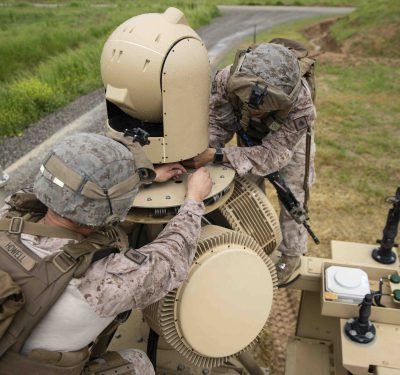
The FAA briefly imposed an unusually broad flight restriction affecting operations at El Paso International Airport, initially described as being…
Policy & Regulatory

NATO AIS Fund Awards IDE-led Project to Accelerate USV Standardization
The new effort will map gaps across NATO and non-NATO standards and certification frameworks and propose a path for tighter…

Munich Security Report 2026 Signals Drones as a European Capability Priority
The Munich Security Report 2026 is direct on three drivers that will shape Europe’s UAS and counter-UAS demand in 2026–2028:…

Singapore Airshow: Counter-UAS the “Must-Have” Capability
Singapore Airshow 2026 underlined how quickly counter-drone technologies are becoming mainstream across air forces, homeland security and critical infrastructure operators….
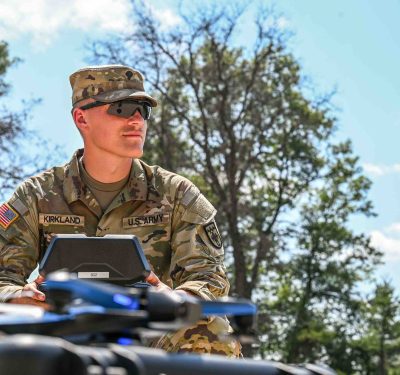
Michigan’s NADWC Tapped as Key Training Hub for Advanced Military Drone Operations
A new federal designation positions Michigan’s National All-Domain Warfighting Center as a national test and training range for advanced uncrewed…
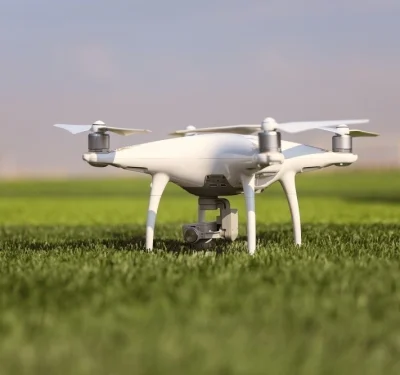
JIATF 401 Offers Low-Cost Framework to Harden Sites Against Small UAS
New “Harden, Obscure, Perimeter” framework translates battlefield lessons into low-cost, non-technical defenses for stadiums, bases and public facilities ahead of…
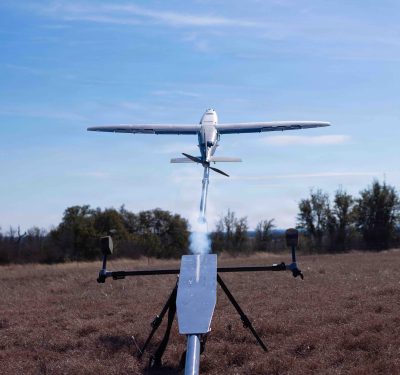
Pentagon Names 25 Vendors for Phase I of ‘Drone Dominance’ One-Way Attack UAS Program
The new Drone Dominance Program will put 25 vendors through a “Gauntlet” fly-off at Fort Benning this month, with about…

The Army’s New Fast Lane for C-UAS Tech
The U.S. Army is standing up a new “fast lane” for counter-UAS and tactical edge systems, and it’s starting to…

Safeguarding the Skies: The U.S. Needs a Modern Counter-UAS Framework
Drones have transformed modern warfare. From Ukraine to the Middle East, uncrewed aircraft systems (UAS) have extended operational reach, reduced…

NATO Brings Industry to Brussels for C-UAS Week, Ramps Up Counter-Drone Efforts
Secretary General Mark Rutte uses NATO’s C-UAS Industry Day to underline lessons from Ukraine and recent drone incursions into Allied…

FAA Reopens Part 108 BVLOS Comment Period
After more than 3,000 comments, many around its right-of-way proposals, the FAA has reopened the BVLOS rulemaking for a short,…

FAA Reorg Puts AAM, Drones and BVLOS Under “Advanced Aviation Technologies” Office
The FAA’s largest-ever organizational overhaul creates a dedicated office for advanced aviation technologies, a centralized safety management organization, and an…
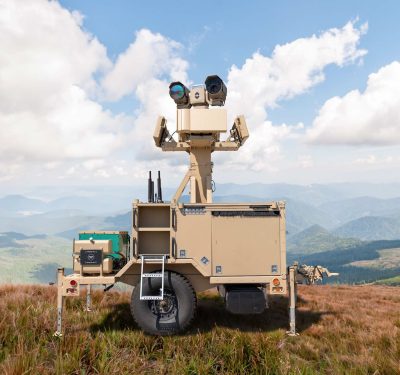
C-UAS: Anticipating What’s Next
The drone threat continues to evolve—both on the battlefield and now in the homeland—making it critical for counter-UAS (C-UAS) technology…
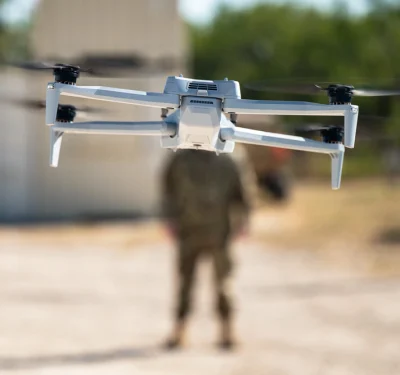
Athena C-UAS Integration Bolsters Air Defense over Washington, DC
After seven years of development, the government-owned Athena integration kit has reached initial operating capability for the National Capital Region,…
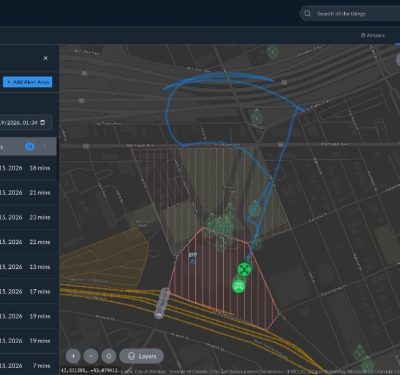
Airspace Link Adds Real-Time Drone Alert Tool in AirHub Portal Ahead of 2026 World Cup
The new Alert Areas feature in Airspace Link’s AirHub Portal gives public safety agencies and critical infrastructure operators real-time notifications…

Taiwan Plans Massive Drone and C-UAS Expansion in New Special Defense Budget
Taiwan’s Ministry of National Defense has disclosed that it intends to procure more than 200,000 UAVs, over 1,000 unmanned surface…

Shielding Airports from UAS Intrusion
DroneShield and SRI Group offer a model for airport counter-drone protection. Brussels. Copenhagen. Munich. Oslo. Warsaw. All these cities’ major…