


BAE Systems unveiled a Loyal Wingman drone fighter called Brontanax at the UK’s Farnborough airshow: a prototype the company’s FalconWorks…
Sebastien Roblin
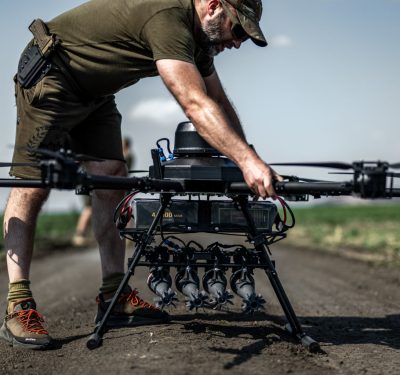
Drone Dominance Program Launches New ‘Gauntlet’ Mission C Competition for Heavy Gravity-Bomber Drones
The Pentagon’s multi-phase Drone Dominance Gauntlet competition seeking to stimulate development and mass production of low-cost first-person view (FPV) kamikaze…

U.S. Navy Corsairs Just Conducted Its First Kamikaze Drone Boat Attack Since World War II
Just a over a month after the U.S. Navy used a small unmanned surface vehicle (USV) for the first time…
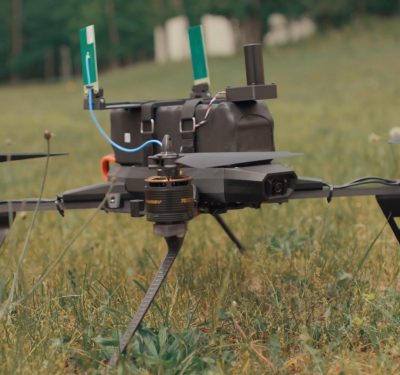
19 Companies Out of 49 Contenders Qualify For Drone Dominance Gauntlet 2 Trial
The Pentagon’s $1.1 billion Drone Dominance Program has taken another step forward. Aimed at identifying and nurturing a championship stable…
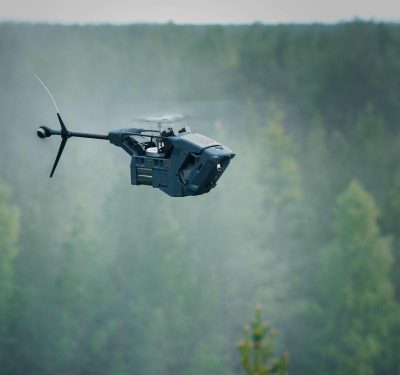
Teledyne’s Black Recon Puts a Grown-Up Black Hornet on Armored Vehicles
Teledyne FLIR unveiled a new vehicle-borne multi-role UAS called Black Recon at this June’s Eurosatory arms expo—one evolved from its…
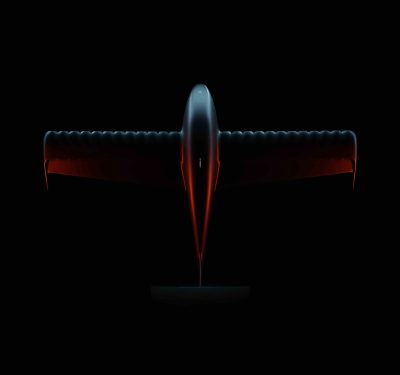
DIU’s RIMES Program Taps Mach and Whisper Aero for Shipboard-Capable Strike UAS Prototype
The U.S. Navy wants long-range unmanned aircraft that can operate without a runway, a carrier deck or elaborate launch-and-recovery equipment….
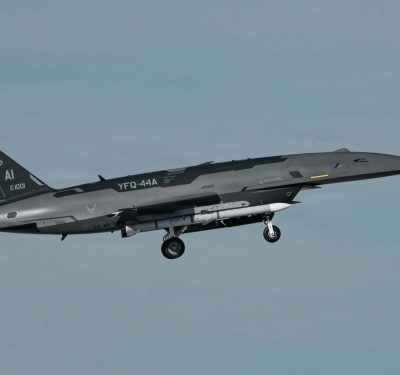
Air Force Goes Split Buy: Fury and Dark Merlin Both Enter CCA Production
Following months of flight testing, in 2026 the Air Force was expected to choose between two competing drone combat jets…
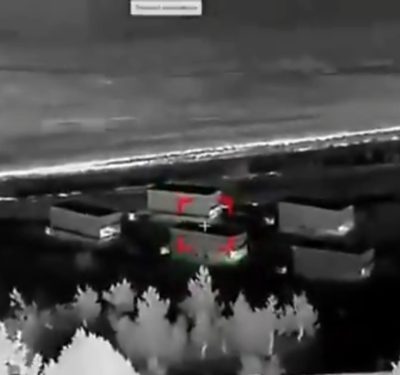
Russia’s Guarantor Jammer Points to a New Tactical Threat to Starlink-Enabled Drones
Russia is reportedly deploying a truck-mounted satellite jamming system designed to deny Starlink access to Ukrainian drones over a localized…
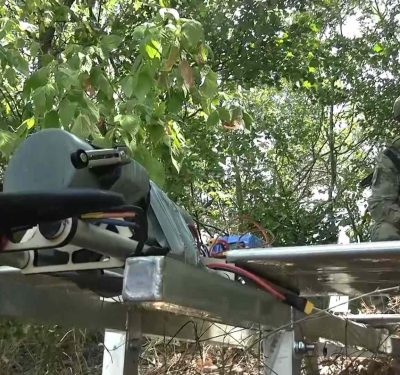
What Russia’s Rubicon Drone Units Reveal About the Future of Massed Effects
Since late 2024, elite drone units from Russia’s Rubicon Center for Unmanned Technologies have proven among Russia’s most effective combat…
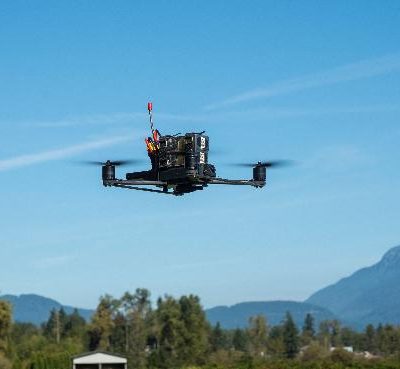
Mountain Horse Brings Draganfly Flex and AG3 SPADE to Drone Dominance Gauntlet 2
Mountain Horse Solutions is partnered with two companies battling in the second round of the Army’s Drone Dominance Gauntlet competition seeking lethal but low-cost…
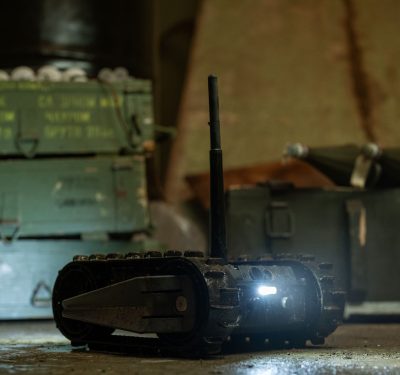
Teledyne FLIR Upgrades FirstLook Throwbot with Thermal Sensors and Black Hornet Integration
Teledyne FLIR has unveiled FirstLook 125, a new iteration of the tiny ‘throwable’ tracked UGV used by infantry, EOD and…
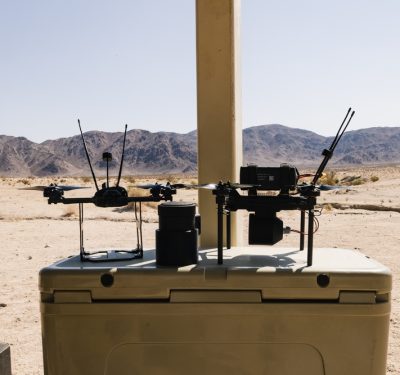
Drone Dominance Program Qualifies 48 Companies For Gauntlet 2 Trials
The Pentagon’s Drone Dominance Program (DDP) has issued a dramatically expanded list of participants for its second competitive Drone Dominance…
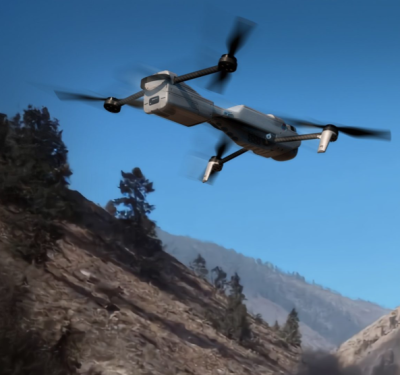
Teledyne FLIR Upgrades Rogue 1 Block 2 with Extended Range, Larger Warhead
Teledyne FLIR has unveiled an improved Block 2 variant of its Rogue 1 quadcopter enabling the loitering munition to strike…
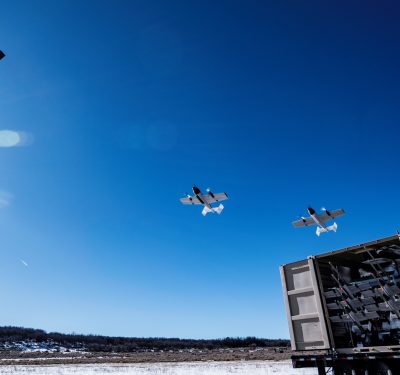
DZYNE Unveils Blitz Hand-Launch UAS With 93-Mile Strike Range
While America’s drone industry has fixated on first-person view quadcopters like those swarming Ukrainian battlefields, DZYNE Technologies is bucking the…

Counter-UAS: The Price of the Shot
How Western militaries are trying to restore a sustainable cost-exchange ratio against cheap drones The announcement out of BAE Systems’…
Gauntlet Phase II: Tougher, Differentiated Missions
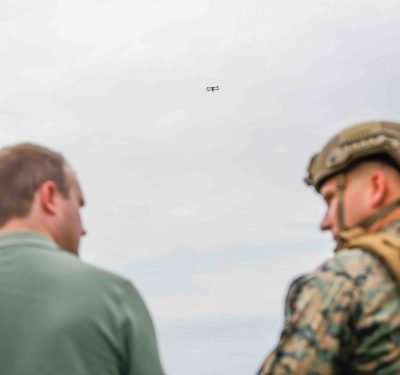
Phase II of the Army’s Drone Dominance Gauntlet raises the stakes — longer range, tighter urban missions, continuous electronic warfare,…
Gauntlet Phase 1: America’s New Champions of FPV Warfare
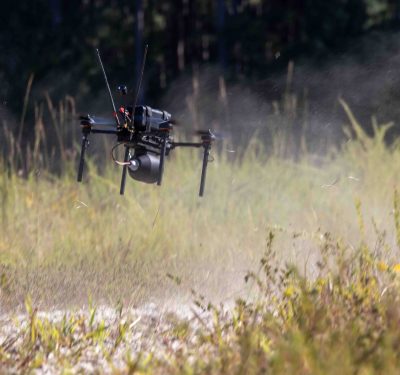
From Garage Startups to Pentagon Champions: Meet the Eleven Companies Remaking American FPV Warfare Phase 1 of the Pentagon’s Drone…